Mumbai's water stock to last till September 5 next year if 10% water cut approved: BMC data
Source Entity
Latest News: Todays Latest News Headlines from India & World | Hindustan Times | Hindustan Times
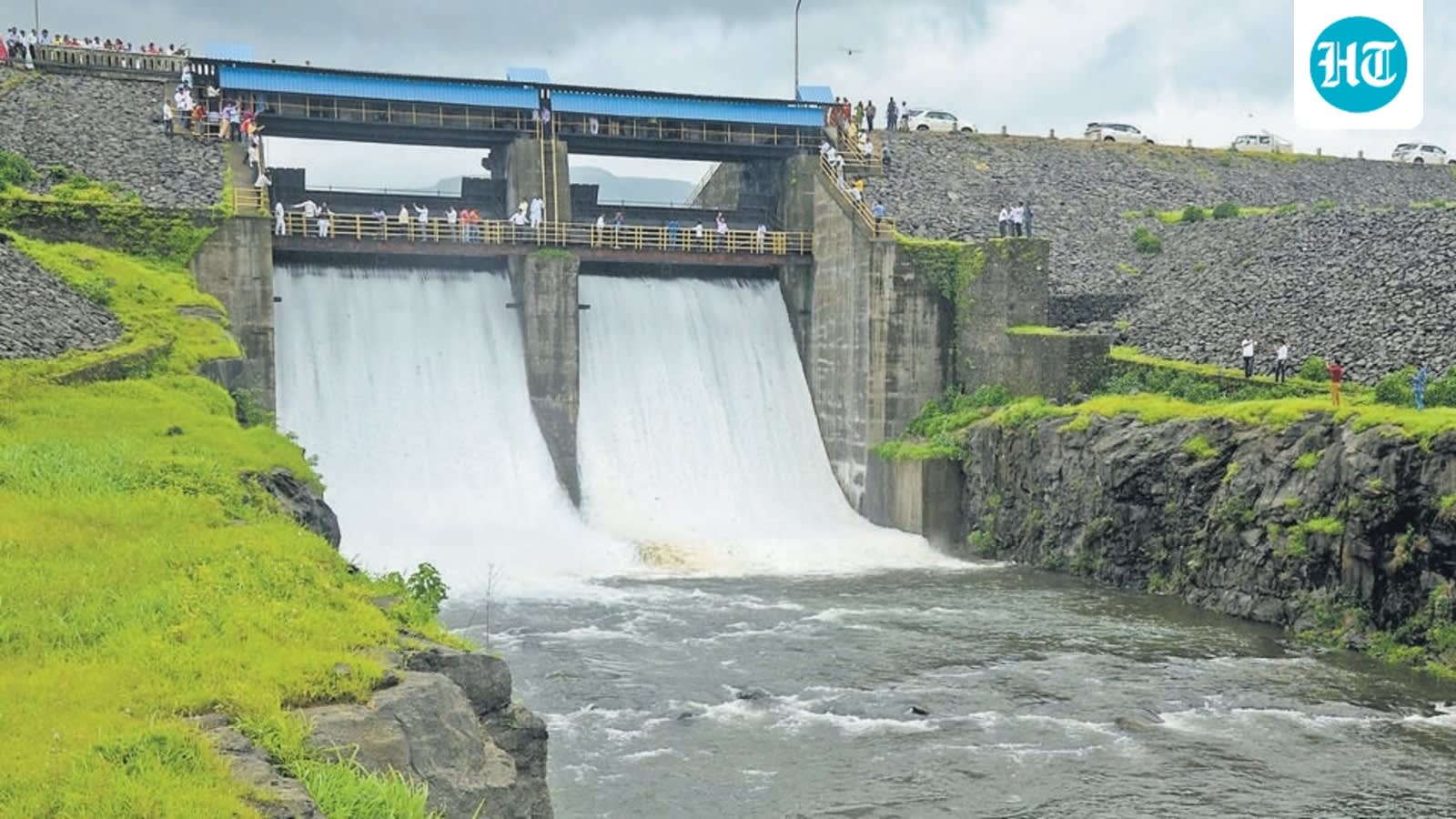
The BMC is proposing a 10% water cut in Mumbai to extend the city's current water reserves until September 5, 2027. This proactive measure aims to optimize supply from critical reservoirs like Bhatsa and Upper Vaitarna.
Mumbai's Strategic Water Management: A Proactive Approach
The Brihanmumbai Municipal Corporation (BMC) has unveiled a critical water-supply strategy aimed at securing the city's future needs through 2027. As presented by Additional Municipal Commissioner (Projects) Abhijit Bangar, the proposal suggests implementing a 10% water cut across the city. This measure is designed to extend the utility of existing stocks, ensuring that Mumbai’s residents and businesses remain supported by a stable water supply even under fluctuating environmental conditions.
The Data Behind the Decision
Currently, Mumbai relies on a massive daily supply of approximately 4,100 million litres of water (MLD). The city’s water security is heavily dependent on major reservoirs, with the Bhatsa dam serving as the primary anchor. According to the data, Bhatsa holds a substantial useful storage capacity of over 717,000 million litres. The BMC’s analysis highlights that without any intervention, the current supply would be depleted by June 10, 2027, necessitating a shift in management to avoid a mid-year crisis.
Optimization Through Reserve Storage
To mitigate the risk of premature exhaustion of resources, the BMC is emphasizing the role of 'reserve storage' in key dams, specifically Upper Vaitarna and Bhatsa. By integrating these reserves into the broader supply plan, the city can extend its water availability significantly. The data indicates that utilizing these reserves, combined with the proposed 10% reduction in daily consumption, would push the depletion date to August 2, 2027, and eventually to September 5, 2027.
Broader Implications for Urban Infrastructure
This proposal reflects the complex challenges faced by metropolitan hubs in managing finite natural resources. Mumbai’s reliance on monsoon-fed dams makes it vulnerable to climate-related variability. By proactively proposing a 10% cut, the BMC is attempting to shift the city from a reactive crisis-management model to a predictive, long-term sustainability framework. This approach is essential for a city that continues to see rapid growth and increasing pressure on its utility infrastructure.
Future Trends and Sustainability
Looking ahead, the success of this plan will depend on the civic body's ability to monitor reservoir levels closely and adapt to hydrological shifts. The focus on maintaining reserve storage indicates a growing awareness of the need for buffer stocks in urban water planning. If implemented, this policy could serve as a template for other major Indian cities facing similar water security pressures, emphasizing that conservation through demand management is as vital as the development of new water sources.
Conclusion
The BMC's data-driven approach to water management underscores a prudent attempt to safeguard Mumbai's future. By balancing the 4,100 MLD daily demand with the strategic preservation of dam capacities, the administration aims to ensure consistent availability until September 2027. This strategy highlights the importance of data transparency and long-term planning in maintaining the essential services required by one of the world's most populous cities.
Verification Required?