CNG in Mumbai, adjoining areas to cost ₹91.50 per kg after eighth price hike this year
Source Entity
Latest News: Todays Latest News Headlines from India & World | Hindustan Times
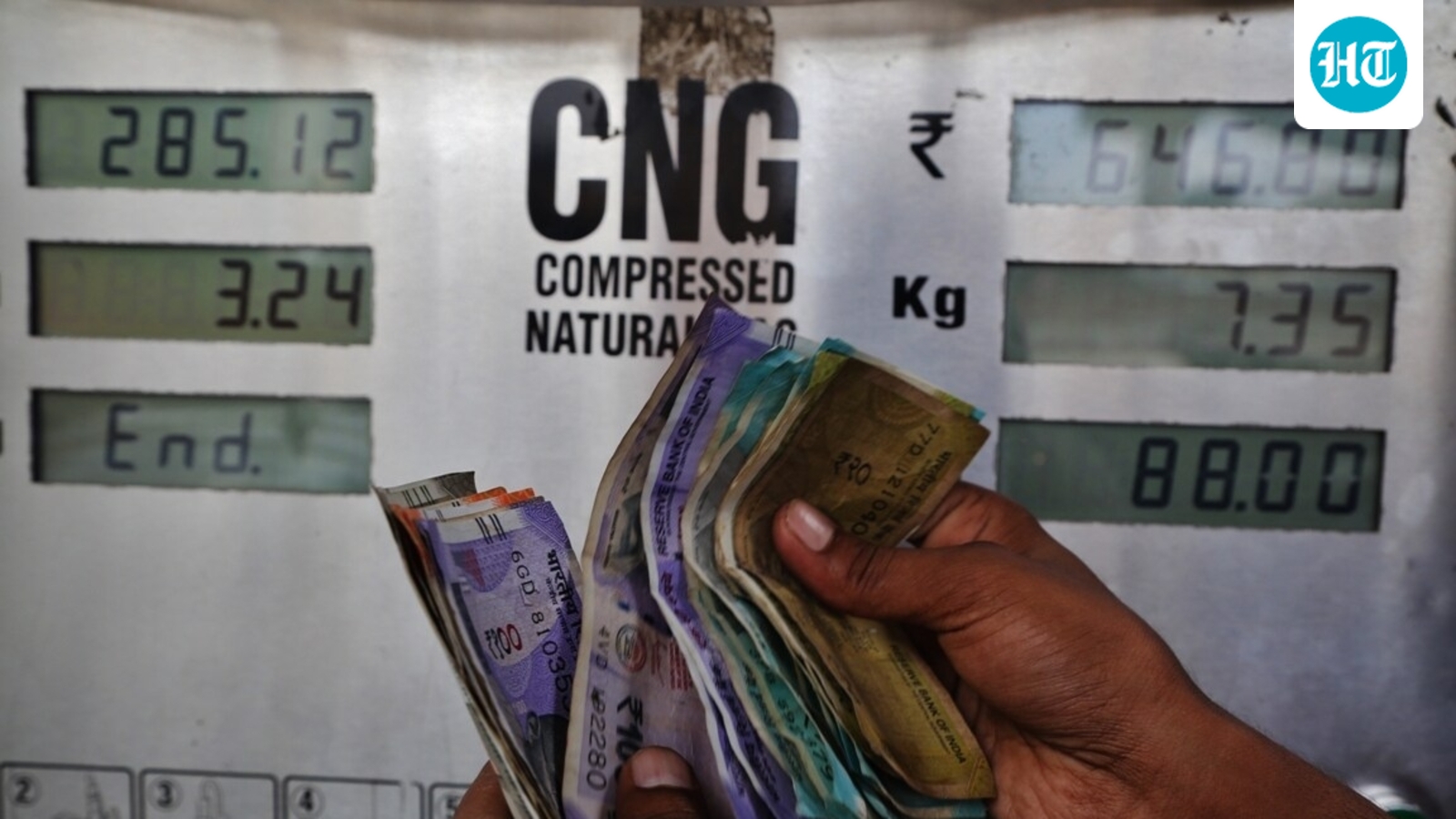
Mahanagar Gas Limited has raised CNG prices in Mumbai to ₹91.50 per kg, marking the eighth hike this year. This ₹1.50 increase impacts over 12.93 lakh vehicles, including essential public transport and private motorists.
The Escalating Cost of CNG in Mumbai
Starting November 15, residents and transport operators in the Mumbai Metropolitan Region (MMR) face yet another financial burden as Mahanagar Gas Limited (MGL) has implemented an increase of ₹1.50 per kg for Compressed Natural Gas (CNG). This adjustment pushes the retail price to ₹91.50 per kg, a significant escalation from the ₹80.50 per kg recorded at the beginning of the year. This latest move marks the eighth such hike within an 11-month period, reflecting a persistent upward trend in fuel pricing that is reshaping the economic landscape for local commuters and professional drivers.
Impact on the Transport Ecosystem
The ripple effects of these successive price hikes are profound, particularly for the 12.93 lakh vehicles currently operating on CNG across the MMR. This fleet includes a vital mix of public transport—such as auto-rickshaws and taxis—alongside private vehicles. For many in the transport sector, CNG was once the affordable alternative to petrol and diesel; however, the cumulative increase of ₹11 per kg in under a year has drastically altered the cost-benefit analysis for thousands of independent operators who rely on these vehicles for their daily livelihood.
A Pattern of Consistent Increases
Recent data highlights a concerning frequency in these price adjustments. Following a ₹2 hike in September and a ₹1 increase in October, the market has seen two separate hikes within the first half of November alone. The November 1st increase of ₹1 brought the price to ₹90, followed quickly by the current adjustment to ₹91.50. This rapid succession of price changes suggests significant volatility in the supply chain or the pricing mechanisms governing natural gas distribution in the region.
Broader Economic Implications
The rising cost of fuel is not an isolated incident but a critical factor in the broader inflationary pressures currently affecting the Mumbai region. As fuel constitutes a primary operational expense for public transport providers, these hikes often translate into demands for fare revisions or increased cost-of-living burdens for the general public. When the cost of operating a taxi or an auto-rickshaw rises, the entire service sector feels the strain, potentially leading to reduced profitability for drivers or higher costs for the end-user.
Future Trends and Market Outlook
Looking ahead, the trend of increasing CNG prices poses a challenge for the adoption of green fuels in India's urban centers. While CNG is marketed as a cleaner, more sustainable alternative to traditional fossil fuels, the economic viability of switching to such vehicles is compromised when prices fluctuate upward so aggressively. If the current trajectory continues, policymakers and regulatory bodies may need to intervene to stabilize fuel costs to ensure that the transition to cleaner energy remains an economically attractive option for both commercial and private vehicle owners.
Conclusion
In summary, the latest hike by MGL underscores the growing financial pressure on the MMR's transport infrastructure. With the price of CNG reaching a record high of ₹91.50 per kg, the collective impact on nearly 1.3 million vehicles is undeniable. As the year draws to a close, the focus remains on whether these price adjustments will stabilize or continue to climb, further testing the resilience of Mumbai's commuters and the transport operators who keep the city moving.
Multiple Citing Sources
Verification Required?