Noel Tata on better-than-expected success of Westside, big consumption jump in India | HTLS 2026
Source Entity
Latest News: Todays Latest News Headlines from India & World | Hindustan Times
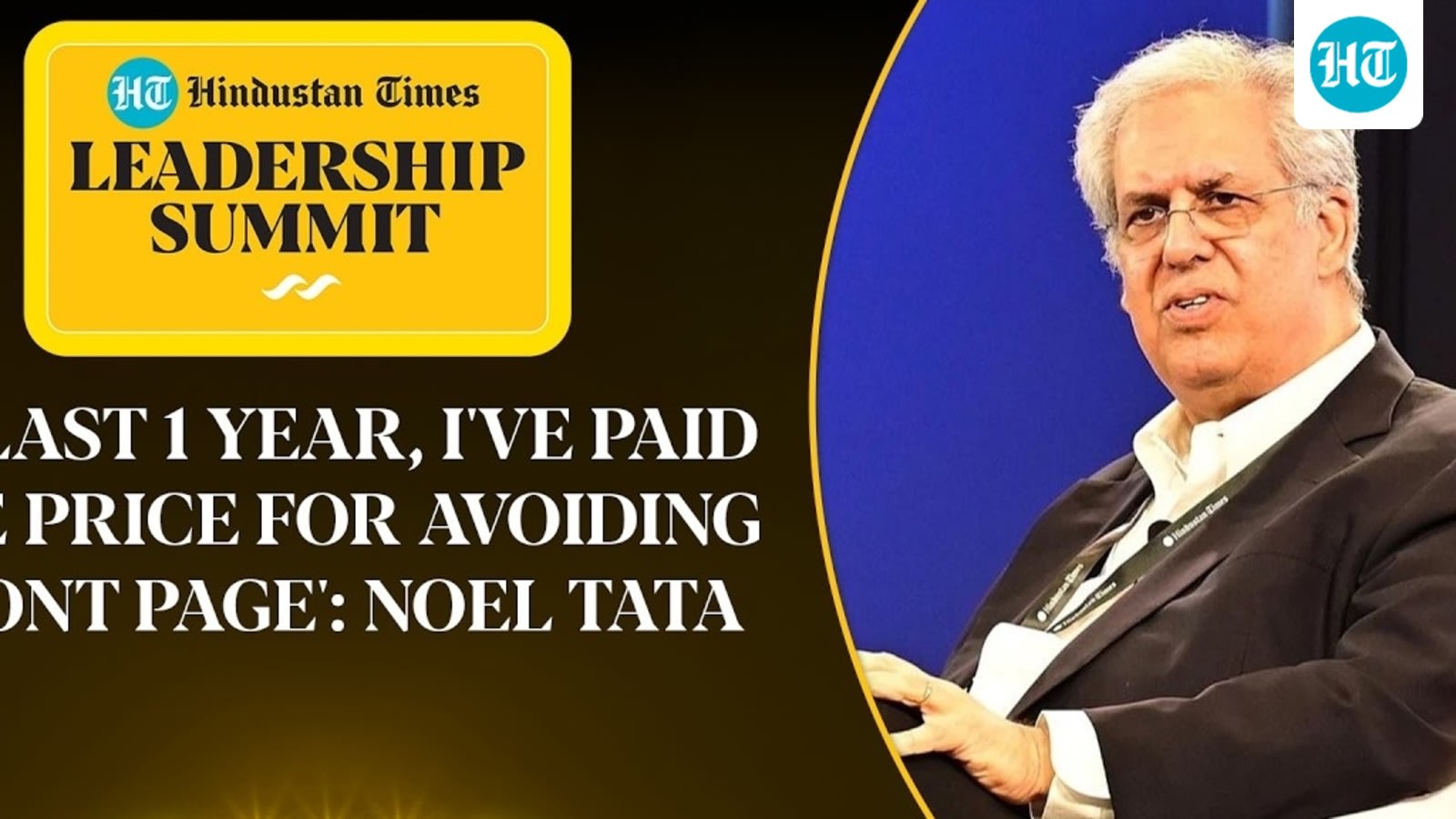
Noel Tata emphasizes maintaining the Tata Group's philanthropic core while advocating for disciplined project execution and capital allocation. He remains opposed to listing Tata Sons, citing concerns over profit-driven pressures, while highlighting growth in the retail sector.
The Strategic Vision of Noel Tata: Balancing Legacy and Modern Growth
At the 24th Hindustan Times Leadership Summit, Tata Trusts Chairman Noel Tata provided a rare and comprehensive look into the future of the Tata Group. As the organization navigates a post-Ratan Tata era, Noel’s commentary underscores a commitment to the group’s foundational philosophy: that philanthropy must remain the primary North Star, even as the business landscape in India undergoes rapid transformation.
The Debate Over Public Listing
One of the most significant points of contention within the group’s leadership involves the potential public listing of Tata Sons. Noel Tata has voiced explicit opposition to this move, fearing that the demands of public shareholders could force the conglomerate to prioritize quarterly profits over the long-term, altruistic mission that has defined the Tatas for over a century. While proponents argue that listing would introduce greater transparency and governance, Noel remains concerned that such a structural change would fundamentally alter the "Tata way" of doing business.
Operational Discipline and Capital Allocation
Beyond governance, Noel Tata has signaled a shift toward increased operational rigor. He explicitly stated that while the overall strategic direction of the group remains sound, there is a pressing need for heightened discipline in the execution of large-scale projects and capital allocation. This suggests a move toward optimizing the group’s vast portfolio, ensuring that investments are not only sustainable but also directly contribute to the group’s long-term objectives rather than diluting resources.
Philanthropy as a Measurable Impact
Philanthropy is not just a secondary activity for the Tata Trusts; it is the cornerstone of their existence. Noel Tata emphasized that the effectiveness of these efforts should be measured by their tangible impact rather than the total expenditure. A primary example of this is the ambitious plan to establish 40–50 not-for-profit general-purpose hospitals. By strategically placing these facilities near reasonably sized cities, the Trusts aim to bridge the healthcare gap in underserved regions, ensuring that the legacy of the founders continues to address real-world societal challenges.
Retail Success and the Consumption Boom
Complementing the group’s philanthropic efforts is the robust performance of its retail arm, Trent. Reflecting on the success of Westside, which has grown to approximately 320 stores with plans to exceed 500, Noel highlighted the power of an integrated model. By controlling the entire journey from product design to the shelf through private labels, Trent has capitalized on India’s massive consumption jump. This growth is particularly notable in tier-2 and tier-3 towns, proving that the group’s commercial success is intrinsically linked to the rising aspirations of India’s broader socio-economic demographics.
Conclusion: A Future of Disciplined Altruism
The path forward for the Tata Group, as articulated by Noel Tata, is one of stability and intentional evolution. By resisting the pressures of short-term financial markets, focusing on disciplined project management, and leaning into the burgeoning retail demand of the Indian heartland, the group seeks to prove that commercial enterprise and deep-rooted philanthropy are not mutually exclusive. The focus remains clear: sustaining the trust and impact that have made the Tata name synonymous with India’s progress.
Multiple Citing Sources
Verification Required?