Kentucky miner died in 2017; court upholds black lung benefits for widow
Source Entity
TOI WORLD DESK
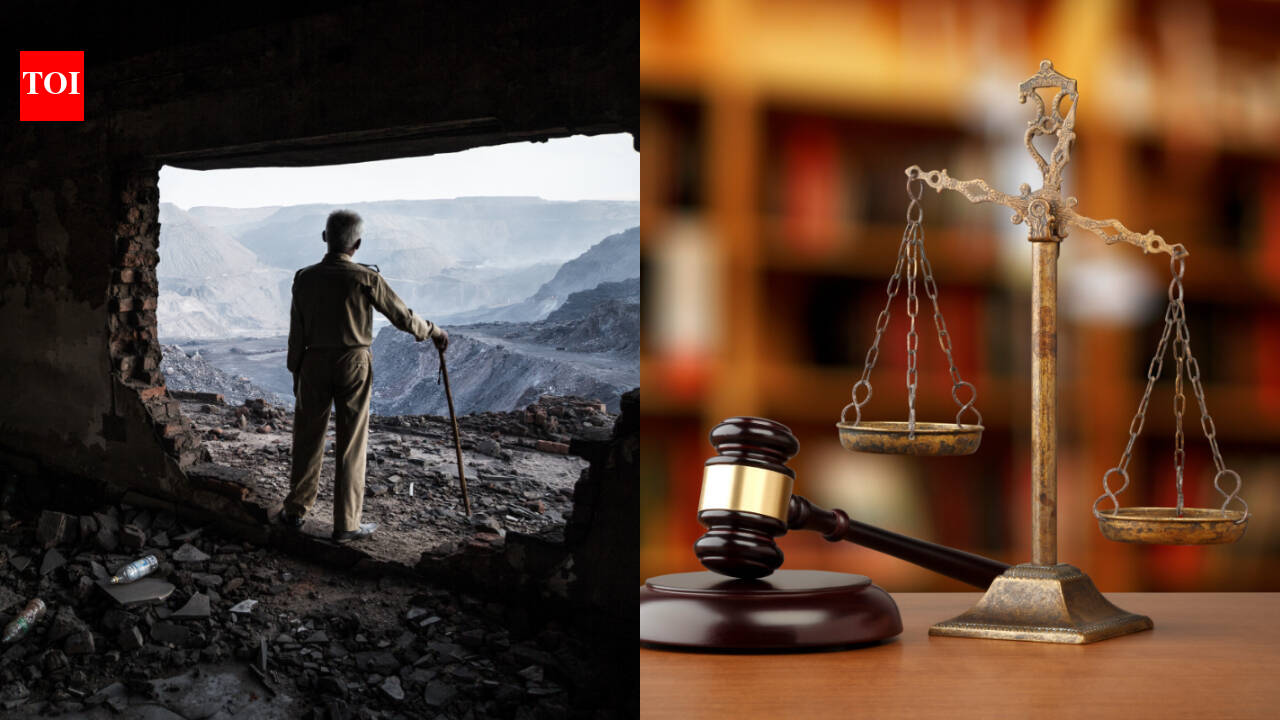
A federal appeals court has upheld black lung benefits for the widow of Kentucky miner John Owens. The decision followed a lengthy legal battle over conflicting medical evidence regarding his respiratory disability after 26 years of service.
The Legacy of Labor: A Legal Victory for John Owens' Widow
The recent federal appeals court ruling in favor of the widow of Kentucky miner John Owens marks a significant milestone in the ongoing struggle for coal miners to secure benefits related to occupational respiratory diseases. John Owens, who dedicated 26 years to the grueling work of underground coal mining, faced a long-standing dispute regarding his eligibility for black lung benefits—a battle that unfortunately persisted beyond his passing in 2017. This decision underscores the persistent challenges families face in proving the long-term physiological toll of coal extraction.
The Role of Medical Evidence in Occupational Disputes
At the heart of this legal saga was a complex evaluation of conflicting medical data. The administrative judge ultimately restored benefits by prioritizing three earlier qualifying lung tests over two subsequent examinations that had challenged the diagnosis. This highlights the inherent difficulty in litigating occupational illnesses, where medical interpretations can vary significantly and become the primary battleground for employers seeking to limit liability and families seeking justice for their loved ones.
Decades of Physical and Legal Toll
For miners like Owens, the consequences of underground labor are often not immediate but cumulative, manifesting years or even decades after the final shift. The transition from active labor to retirement is frequently punctuated by declining health, and the administrative hurdles required to prove that a respiratory condition is directly linked to coal dust exposure create an arduous path for claimants. This case serves as a reminder of the human cost associated with the energy sector's history.
Institutional Challenges and Employer Resistance
The fact that the employer chose to challenge the benefits—a move eventually rejected by the federal appeals court—reflects a broader trend in industrial labor relations where companies frequently contest disability claims based on technicalities in medical reporting. The legal victory here suggests a judicial inclination to weigh the totality of a miner's employment history and earlier, consistent diagnostic findings against later, conflicting reports that may attempt to undermine the severity of the condition.
Broader Implications for Coal Communities
This ruling provides a glimmer of hope and a legal precedent for other families navigating similar bureaucratic mazes. In states like Kentucky, where coal mining has been a foundational industry, the institutional support for disabled miners and their survivors remains a sensitive political and social issue. Ensuring that benefits are not stripped away through selective medical evidence is essential for maintaining the integrity of the workers' compensation system.
Conclusion: A Final Resolution
Ultimately, the restoration of benefits for John Owens' widow brings a sense of closure to a multi-decade saga. While the victory arrives years after his death, it serves as a testament to the perseverance of those seeking to hold industry accountable for the physical legacies of labor. As the coal industry continues to evolve, the legal protections for those who spent their lives underground remain a vital component of industrial justice.