A rare glimpse inside the high-risk, high-reward Hormuz trade
Source Entity
Hacker News
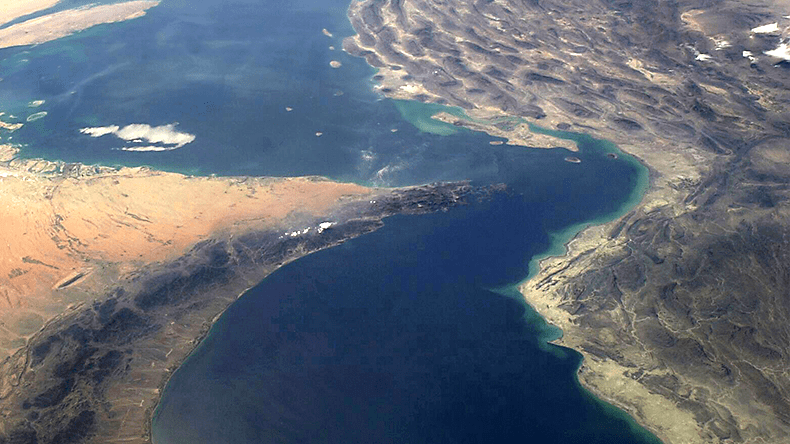
The ongoing Mercuria v Baltic Exchange trial in London is shedding light on the opaque and high-risk crude oil trade through the Strait of Hormuz. Witness testimonies from the case reveal the extreme security challenges and secretive financial mechanics involved in transporting oil during periods of regional instability.
The Opaque Mechanics of Hormuz Crude Transit
The Strait of Hormuz remains one of the most critical maritime chokepoints in the global economy, serving as the primary artery for crude oil exports from the Middle East. Recent disclosures from the ongoing Mercuria v Baltic Exchange trial in London have provided a rare, behind-the-scenes look at the extreme volatility that defines this trade route. The litigation, which centers on Mercuria’s attempt to invalidate the Baltic Exchange’s TD3C Middle East Gulf-China index assessments from March to July, has moved the curtain back on an industry that is historically defined by its intense secrecy and risk-averse nature.
High-Stakes Financial Exposure
The details emerging from the trial underscore that the transit of crude through this region is not merely a matter of logistics; it is a high-stakes financial gamble. According to the court documents, the players involved in these transactions are exceptionally press-shy, preferring to keep the terms of their contracts shielded from public scrutiny. The financial rewards for successfully navigating these waters are enormous, but they are intrinsically tied to the ability to manage the extreme security risks that have persisted throughout the ongoing regional crisis.
The Impact of Regional Instability
The trial highlights a persistent reality: the threat to commercial shipping remains elevated. Even eight months into the current crisis, reports indicate that Iran continues to target tankers traversing the strait. This ongoing security environment forces traders and shipping companies to operate under a veil of extreme caution. Witness statements, including those from Renaud Hauspy of Mercuria, offer a candid look at how these security threats directly influence the mechanics of freight trading and price discovery.
The Role of Market Benchmarks
At the heart of the legal dispute is the reliability of market benchmarks like the TD3C Middle East Gulf-China index. In an industry where information is closely guarded, these indices serve as essential barometers for the global energy market. Mercuria’s challenge to the validity of these assessments suggests that in times of extreme geopolitical tension, the traditional methods of calculating freight costs may face unprecedented scrutiny. The outcome of this trial could have significant implications for how shipping indices are structured and audited in the future.
Navigating Future Trends
As the legal proceedings continue, the broader energy sector is observing the case with interest. The tension between the need for market transparency and the industry's desire for operational privacy is a defining characteristic of the global crude trade. The Mercuria v Baltic Exchange case serves as a reminder that the global energy supply chain is as fragile as it is vital. Moving forward, market participants will likely demand greater clarity in how indices account for regional security premiums, as the costs associated with these risks continue to evolve alongside the geopolitical landscape of the Middle East.