Beyond MSP: Patiala farmer turns wheat, paddy into a Rs 1.5-crore seed enterprise
Source Entity
Anju Agnihotri Chaba
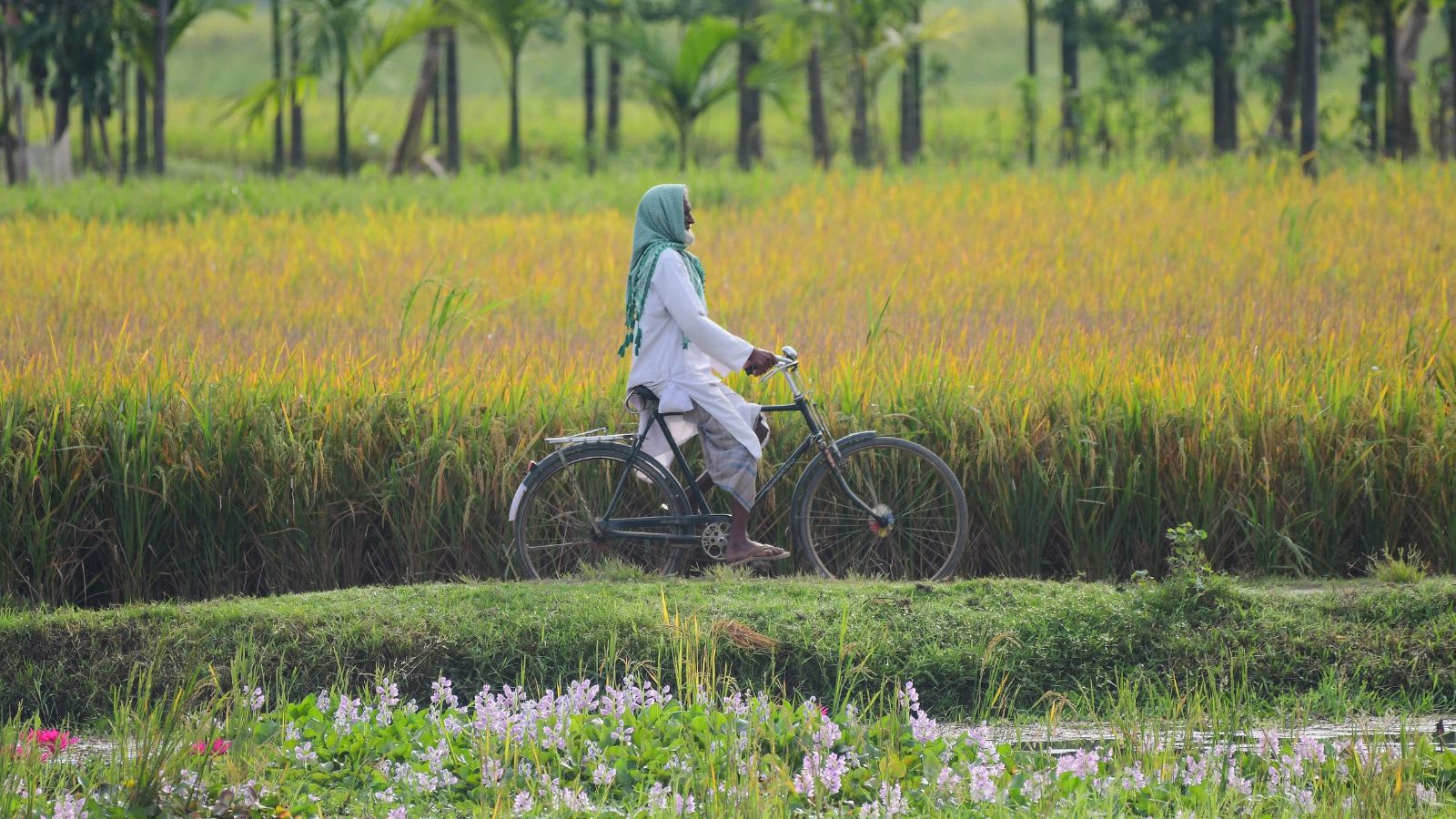
Kulwinder Singh, a Punjab-based farmer, has transformed his agricultural operations into a Rs 1.5-crore seed enterprise. By shifting from standard MSP-procurement crops to high-quality seed production, he has significantly increased his profit margins.
The Shift from Subsistence to Agribusiness
For generations, the agricultural landscape of Punjab has been defined by the reliability of wheat and paddy cultivation, anchored heavily by the Minimum Support Price (MSP) mechanism. While this system provides a necessary safety net for millions of farmers, ensuring a stable market through government procurement, it often traps cultivators in a cycle of low-margin commodity production. Kulwinder Singh’s transition from a standard farmer to a successful entrepreneur represents a critical departure from this traditional model, demonstrating that value-added agriculture can unlock significant economic potential.
The Economics of Seed Production
At the core of Singh’s success in Mardanpur village is the strategic decision to pivot toward seed production. By processing his wheat and paddy crops into high-quality seeds rather than selling raw grain at the MSP of Rs 2,610 per quintal, Singh captures a premium of nearly 53 percent, selling his wheat seeds at approximately Rs 4,000 per quintal. This shift highlights the disparity between commodity pricing and specialized agricultural products, showcasing how farmers can leverage their existing land resources to generate higher returns without needing to abandon traditional crop cycles.
Scaling an Agricultural Enterprise
Singh’s business model has scaled to an impressive annual turnover of Rs 1.50 crore, a figure that underscores the viability of direct-to-farmer sales. By bypassing traditional middlemen and establishing a direct connection with fellow cultivators, he has optimized his profit margins, retaining more than half of his total turnover as net earnings. This level of profitability is a testament to the effectiveness of integrating seed production with crop diversification, a strategy that mitigates the risks associated with monoculture and market fluctuations.
Implications for Punjab’s Agricultural Future
This case study serves as a blueprint for the broader agricultural sector in India, particularly in regions heavily reliant on MSP-supported crops. As policymakers and agricultural experts push for diversification to address issues like soil degradation and declining water tables, Singh’s model offers a pragmatic pathway. It proves that farmers do not necessarily need to shift to entirely different crops to increase their income; rather, they can add value to the crops they already know how to grow best.
Conclusion: A Sustainable Path Forward
Ultimately, Kulwinder Singh’s journey from a conventional farmer to an entrepreneur managing a multi-crore enterprise highlights the importance of innovation in the primary sector. By focusing on quality control, direct marketing, and specialized production, he has not only secured his own financial future but also provided a replicable model for rural economic development. Moving forward, the integration of such entrepreneurial approaches could prove essential in transforming Indian agriculture from a system of survival into a robust, profit-driven industry.