At Mumbai airport’s alleged ‘illegal’ masjid, civic body seeks to cut water supply
Source Entity
Pratip Acharya
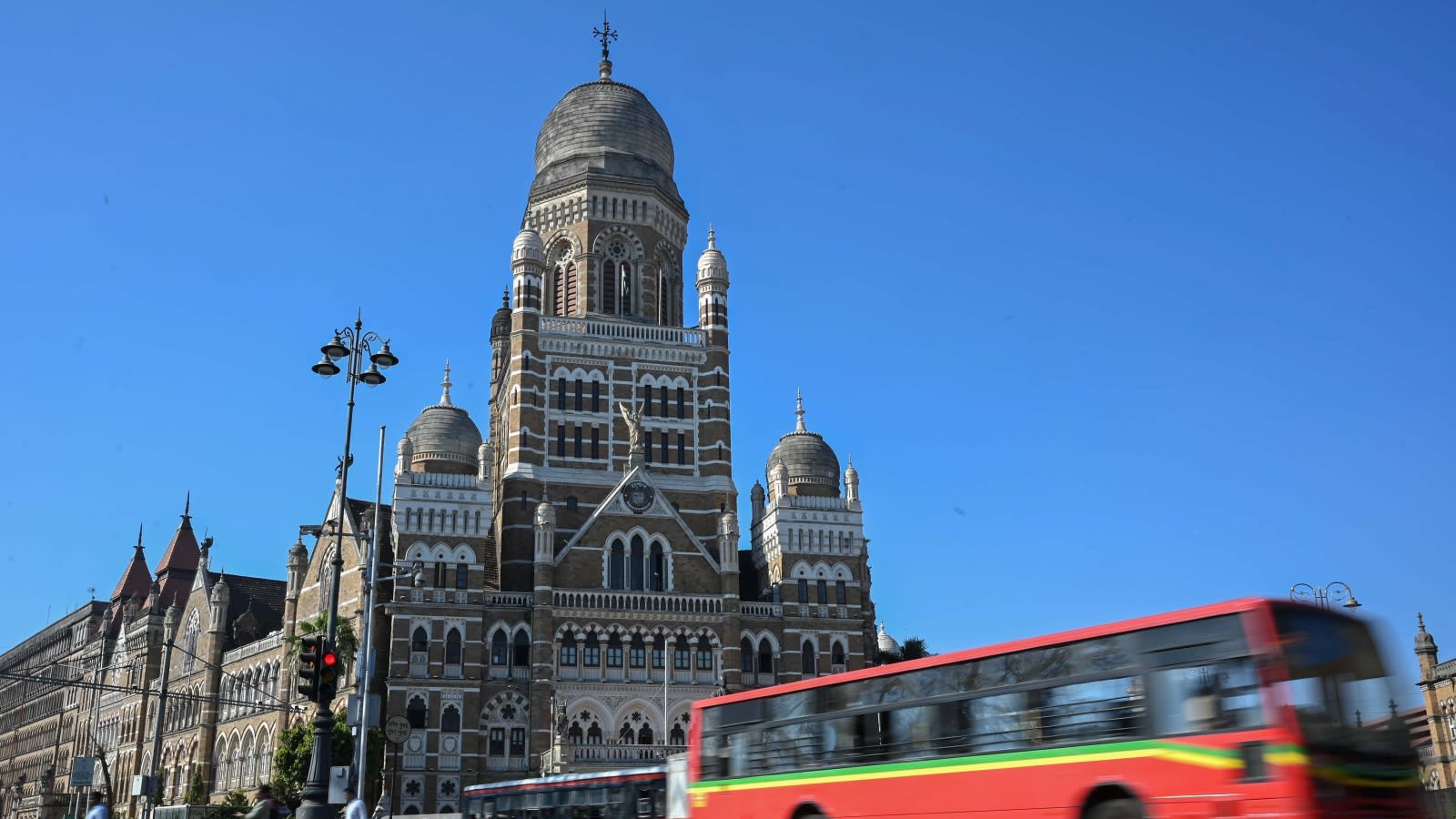
Authorities in Mumbai are challenging the legality of a mosque's water connection at CSMIA, while the Delhi High Court has reprimanded agencies over persistent waterlogging in Aerocity. Both cases highlight growing regulatory scrutiny over infrastructure and land use management at India's major international airports.
Regulatory Scrutiny at India’s Major Airports
Recent developments at the Chhatrapati Shivaji Maharaj International Airport (CSMIA) in Mumbai and the Indira Gandhi International Airport in Delhi underscore a growing trend of intense regulatory oversight regarding infrastructure management and land use. In Mumbai, the Brihanmumbai Municipal Corporation (BMC) has initiated formal proceedings against a mosque located on airport premises, citing the absence of a legal water connection. This move follows a directive from the Mumbai Metropolitan Region Development Authority (MMRDA), which has classified the structure as illegal and requested its removal, highlighting the complexities of managing religious structures within high-security zones.
The Mumbai Airport Controversy
The BMC’s intervention is rooted in administrative accountability. By demanding documentation for the water supply connection, the civic body is asserting its authority over utility distribution within the airport’s operational footprint. The request for the airport’s executive engineer to produce approval documents suggests that the BMC is prepared to enforce strict compliance with municipal bylaws. This situation reflects the broader challenge faced by airport authorities in balancing operational efficiency with local administrative regulations, particularly when sensitive land-use issues are involved.
Infrastructure Failures in Delhi
Simultaneously, in the national capital, the Delhi High Court has taken a firm stance against the National Highways Authority of India (NHAI) and the Delhi International Airport Ltd (DIAL) regarding persistent waterlogging in the upscale Aerocity area. The court’s characterization of the agencies' attitude as “callous” highlights the friction between rapid commercial development and the necessary infrastructure to support it. The petition filed by the Social Jurist group emphasizes that the current drainage systems along the National Highway-48 stretch are insufficient to handle the demands of the region’s growth.
Legal and Administrative Implications
The judicial intervention in Delhi serves as a warning that infrastructure expansion cannot come at the cost of public utility and civic safety. By demanding a functional storm water drainage system, the court is holding major stakeholders accountable for the environmental and logistical fallout of their development projects. This sets a precedent for future urban planning where agencies will likely face more stringent oversight to ensure that drainage and utility capacity keeps pace with commercial expansion.
Broader Trends in Airport Governance
These two distinct cases reflect a common theme: the tightening of regulatory control over airport-adjacent spaces. Whether it is the BMC’s inquiry into the legality of specific connections or the High Court’s pressure on drainage infrastructure, the message to airport operators is clear. Compliance with municipal and environmental standards is no longer secondary to operational goals. As these airports continue to function as critical economic hubs, the pressure to maintain transparent, legal, and functional infrastructure will only intensify, potentially leading to long-term changes in how these entities interface with local civic bodies.