Mumbai to get India’s largest tunnel boring machines in January; tunnelling to begin by May 2027
Source Entity
Nayonika Bose
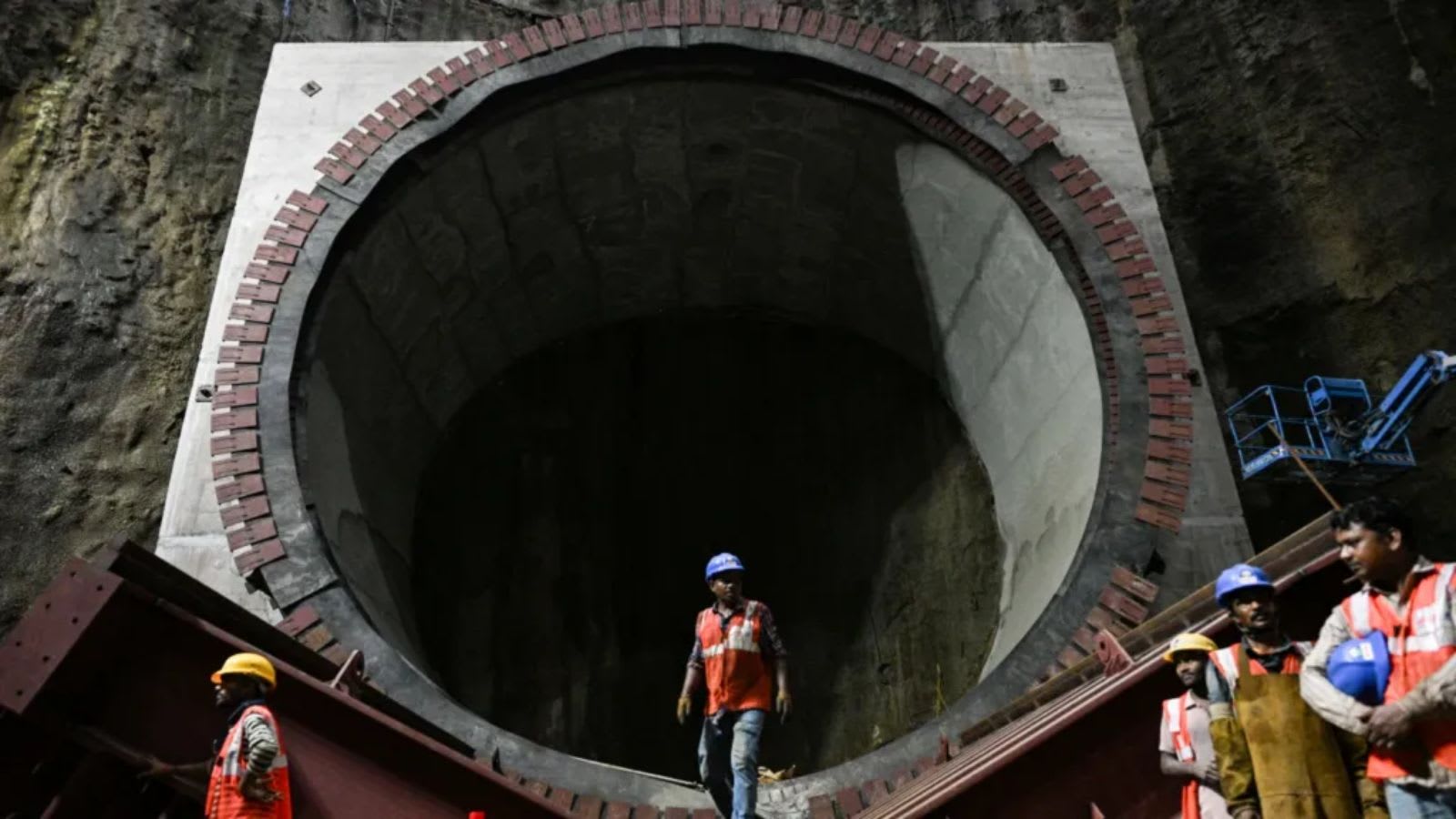
The Brihanmumbai Municipal Corporation is set to deploy India's largest tunnel boring machines in Mumbai for a new underground road project. This 3.9-km twin tunnel link will connect Malad and Kandivali as part of the broader Mumbai Coastal Road North infrastructure initiative.
Advancing Mumbai's Urban Infrastructure: The Malad-Kandivali Tunnel Project
Mumbai is on the cusp of a significant engineering milestone as the Brihanmumbai Municipal Corporation (BMC) prepares to introduce India’s largest tunnel boring machines (TBMs) to the city’s complex subterranean landscape. These massive machines, which have successfully completed factory acceptance testing in Chennai, are slated to arrive in Mumbai by January 2027. Their deployment marks a critical shift in how the city manages its heavy north-south traffic, focusing on deep-underground solutions to alleviate surface-level congestion.
Engineering the Future: The Technical Scope
The core of this project involves the excavation of 3.9-km twin tunnels that will run approximately 40 meters below the surface. By operating at such depths, the BMC aims to bypass the dense urban sprawl of Malad and Kandivali, providing a seamless transit corridor. The selection of Megha Engineering and Infrastructures Ltd (MEIL) as the executing contractor underscores the complexity of this undertaking, as the project requires precision engineering to navigate Mumbai's unique geological and urban constraints.
Strategic Importance to the Mumbai Coastal Road North
These tunnels are not standalone features; they represent a vital segment of the 22.93-km Mumbai Coastal Road North project. This ambitious infrastructure initiative is designed to create a high-speed north-south corridor stretching between Versova and Dahisar. By providing an alternative route, the project is expected to drastically reduce travel times for commuters traversing the western suburbs, effectively reconfiguring the city’s transit efficiency.
Overcoming Urban Connectivity Challenges
Historically, Mumbai’s north-south connectivity has been hampered by extreme population density and limited land availability for surface-level expansion. The decision to tunnel between Mindspace in Malad and Charkop in Kandivali reflects a modern urban planning approach: looking downward to solve surface-level bottlenecks. This method minimizes the disruption to existing residential and commercial hubs while ensuring long-term infrastructural sustainability.
Timeline and Future Outlook
With the TBMs scheduled to arrive in January 2027 and excavation slated to commence in May of the same year, the project is entering a high-stakes phase of execution. The successful completion of these tunnels will likely serve as a blueprint for future deep-underground connectivity projects in other Indian metropolises facing similar density challenges. As Mumbai continues its rapid transformation, this project stands as a testament to the city’s commitment to integrating advanced technology into its public infrastructure framework.