‘Justice is finally being served’: Rohingya widow hears Myanmar genocide ruling from refugee camp
Source Entity
Latest News: Todays Latest News Headlines from India & World | Hindustan Times
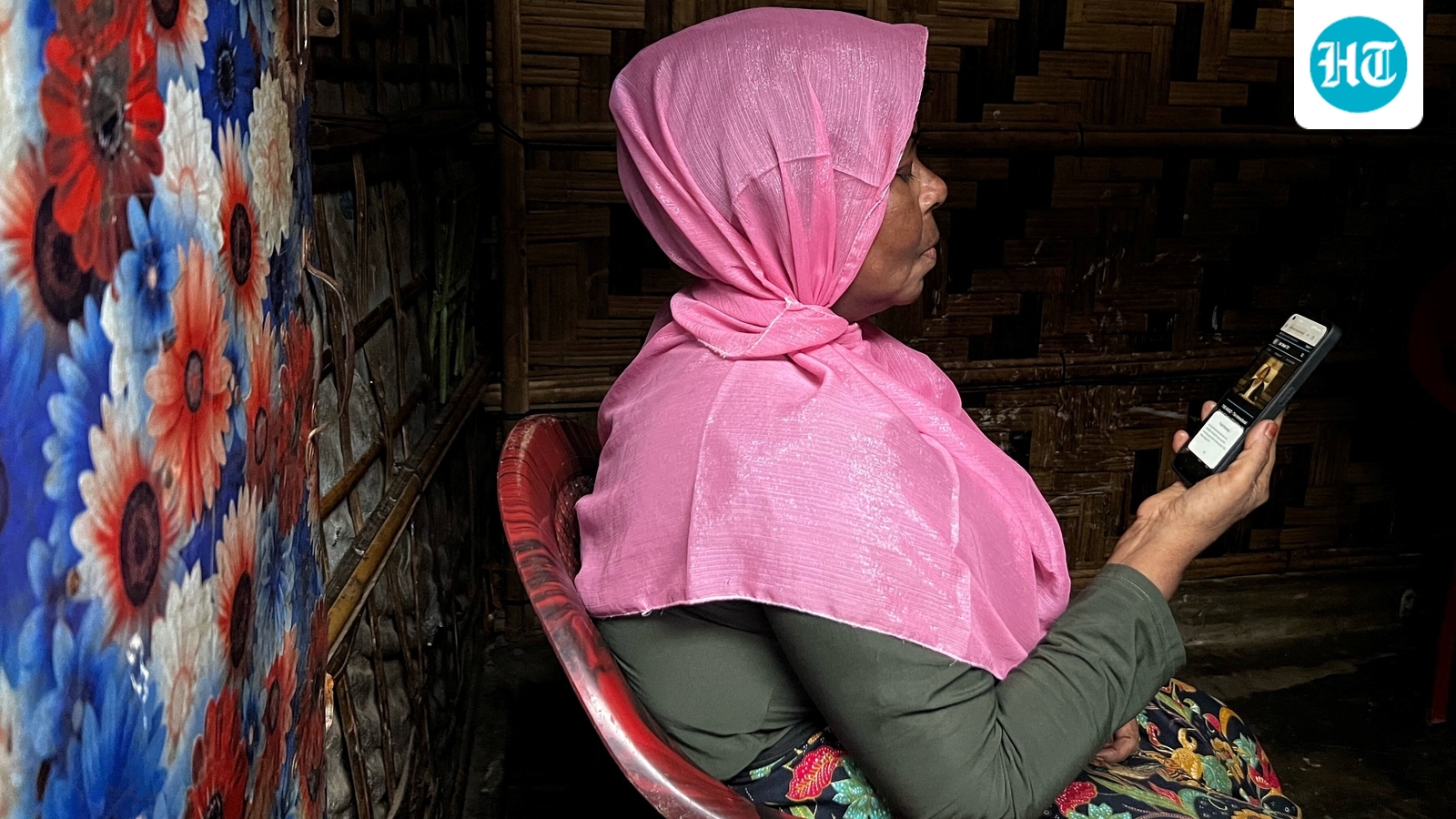
The International Court of Justice has issued a historic ruling, declaring that Myanmar's military committed state-sponsored genocide against the Rohingya people in 2017. This landmark decision marks the first time an international court has held a state accountable for genocide under the 1948 convention.
A Historic Legal Precedent at the ICJ
In a monumental decision that resonates through the halls of international jurisprudence, the International Court of Justice (ICJ) has delivered a verdict confirming that Myanmar’s security forces committed state-sponsored genocide against the Rohingya Muslim minority in 2017. Presiding Judge Yuji Iwasawa detailed a harrowing pattern of state-led violence, including the systematic killing of thousands of civilians, widespread sexual violence, and targeted attacks against children. This ruling, stemming from a case brought forward by The Gambia seven years ago, represents a definitive judicial recognition of the atrocities that forced hundreds of thousands of Rohingya to flee their homes.
Breaking the Barrier of State Accountability
While international courts have previously convicted individuals for genocide—most notably regarding the conflicts in Rwanda and the former Yugoslavia—no state had ever been formally found guilty of the crime since the 1948 Genocide Convention was established in the aftermath of the Nazi Holocaust. This verdict shatters that long-standing legal threshold. By holding Myanmar as a state responsible, the court has moved beyond individual liability, signaling that sovereign nations can be held accountable for the organized destruction of protected groups.
The Significance of the 1948 Genocide Convention
Legal experts, including Arsalan Suleman, have emphasized that this judgment provides 'renewed vitality' to the 1948 Genocide Convention. For decades, the convention served as a moral compass, yet its practical application in holding states directly liable remained elusive. By successfully litigating this case, The Gambia has provided a blueprint for future international legal accountability, proving that the mechanism of the ICJ can effectively address state-sponsored crimes even when they occur on a massive, systemic scale.
The Humanitarian Cost of 2017
The court’s findings validate the testimonies of survivors and human rights observers who documented the 2017 military operations. The explicit recognition of 'widespread acts of sexual violence' and the targeting of children highlights the calculated nature of the military's campaign. This evidence was crucial in meeting the stringent legal definition of genocide, which requires proving an intent to destroy, in whole or in part, a national, ethnical, racial, or religious group.
Future Implications for International Law
This ruling establishes a formidable precedent that will likely influence how the international community approaches future allegations of state-sponsored atrocities. By asserting that a state can be held liable for genocide, the ICJ has strengthened the deterrent power of international law. Moving forward, this verdict will likely serve as a foundational reference point for diplomats, human rights advocates, and legal scholars seeking to ensure that state actors cannot hide behind the shield of sovereignty when committing crimes against humanity.
Conclusion: A Turning Point for Global Justice
The ICJ’s ruling is more than a legal conclusion; it is a moral victory for the Rohingya people and a sobering reminder of the obligations inherent in the global human rights framework. As the world digests this historic decision, the focus will now shift toward the enforcement of these findings and the long-term impact on Myanmar's standing within the international community. This case serves as a testament to the endurance of international legal institutions in their pursuit of justice, even in the face of the most egregious violations of human dignity.
Multiple Citing Sources
Verification Required?