Myanmar Guilty Of Genocide Against Rohingya: Top UN Court
Source Entity
NDTV News Search Records Found 1000
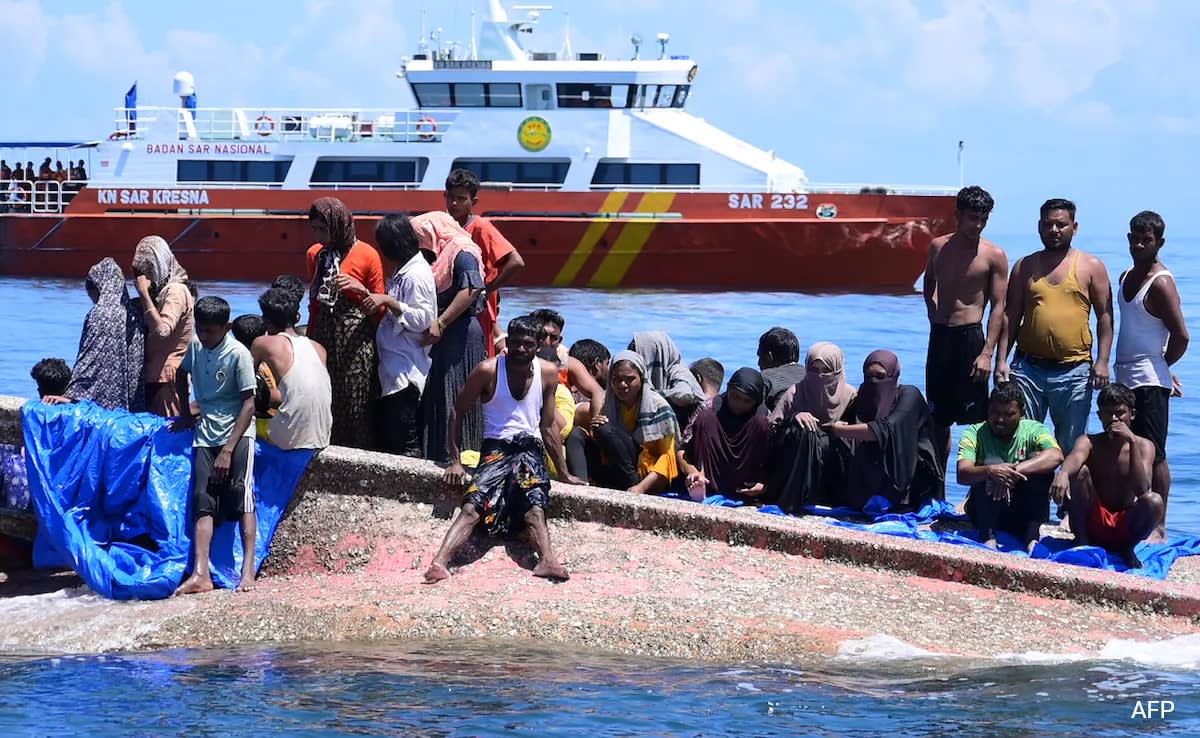
The International Court of Justice has issued a historic ruling finding Myanmar responsible for genocide against the Rohingya people. This landmark decision marks the first time a sovereign state has been held accountable for genocide by an international court.
A Historic Legal Milestone: The ICJ Ruling on Myanmar
In a monumental development for international law, the International Court of Justice (ICJ) has officially ruled that Myanmar’s security forces committed genocide against the Rohingya Muslim minority. This decision concludes a seven-year legal battle initiated by The Gambia, centering on the brutal 2017 campaign that saw thousands of Rohingya civilians killed, widespread sexual violence, and horrific acts perpetrated against children. By confirming these actions constitute state-sponsored genocide, the court has set a new precedent in global human rights jurisprudence.
Breaking the Barrier of State Responsibility
While the 1948 Genocide Convention was established in the wake of the Nazi Holocaust to prevent and punish the 'crime of crimes,' its application has historically been limited to individuals. Prior to this verdict, dozens of individuals had been convicted for genocide in tribunals related to conflicts in Rwanda and the former Yugoslavia, but no sovereign state had ever been found guilty of the crime by an international body. This ruling fundamentally alters the landscape of international justice by shifting the focus from individual culpability to state accountability.
The Gravity of the Findings
Presiding Judge Yuji Iwasawa detailed a harrowing account of the violence, noting that Myanmar’s military forces systematically targeted fleeing civilians and engaged in extreme violence. The court’s recognition of these acts as genocide serves as a formal international acknowledgment of the systemic nature of the atrocities. This is only the fourth time in history that the high legal threshold for genocide has been met in an international court, emphasizing the severity of the evidence presented by The Gambia.
Strengthening the 1948 Genocide Convention
Legal experts, such as Arsalan Suleman, have hailed this verdict as a moment of 'renewed vitality' for the 1948 Genocide Convention. By successfully holding a state responsible, the ICJ has reinforced the notion that international legal accountability is not merely an abstract concept but a functional mechanism of global governance. This ruling provides a blueprint for future litigation, signaling to sovereign nations that the cloak of statehood does not provide immunity for mass atrocities.
Broader Implications and Future Trends
Looking forward, this decision will likely embolden other nations and human rights organizations to pursue similar legal avenues when state-sponsored violence occurs. The precedent established here forces the international community to grapple with the enforcement of such rulings, as the challenge remains in ensuring that states comply with ICJ mandates. As the global community digests this historic shift, the focus will likely turn toward potential reparations for the Rohingya people and the long-term diplomatic consequences for Myanmar’s leadership.
Conclusion
The ICJ ruling represents a watershed moment that bridges the gap between international law and the reality of state-sanctioned violence. By holding Myanmar responsible for the genocide of the Rohingya, the court has sent a powerful, unequivocal message to the world: sovereign states are not exempt from the consequences of their actions when they violate the most fundamental principles of human rights. This verdict will undoubtedly be studied for decades as a defining moment in the evolution of modern international justice.
Multiple Citing Sources
Verification Required?