Over 200 rice varieties to go on display at Mysuru desi rice mela
Source Entity
India Latest News: Top National Headlines Today & Breaking News | The Hindu
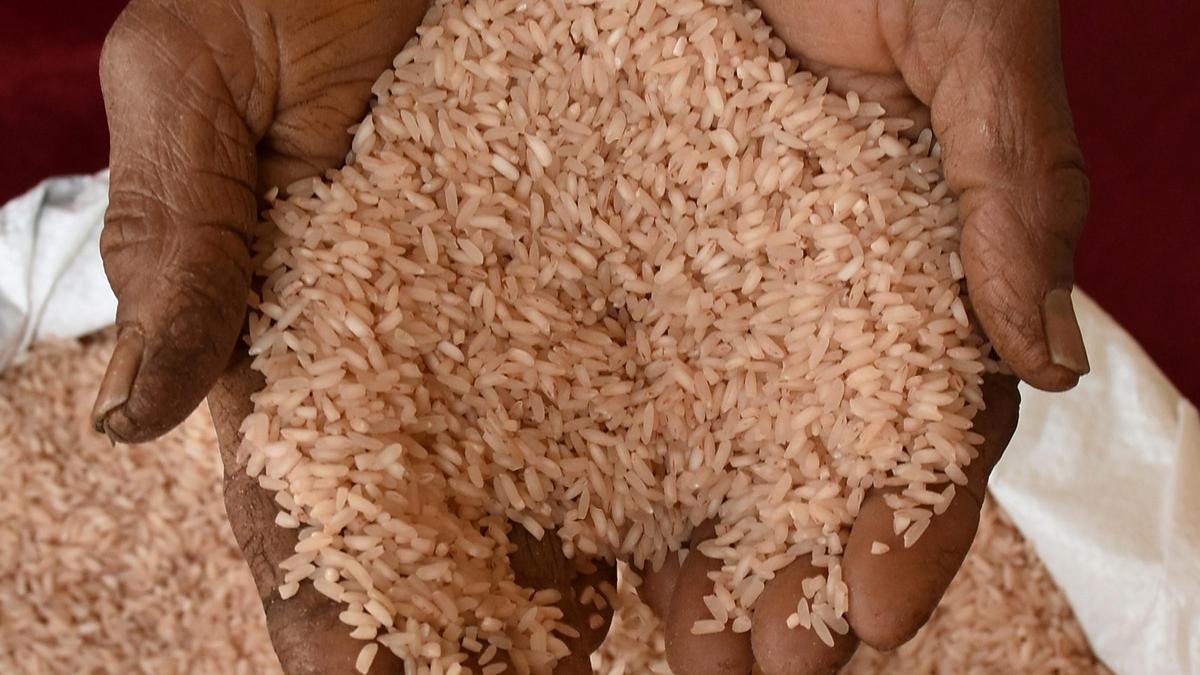
A 'desi rice mela' will be held in Mysuru on July 18 and 19, featuring over 200 indigenous rice varieties in an effort to revive Karnataka's forgotten agricultural heritage and promote biodiversity.
Reviving the Golden Grains: The Mysuru Desi Rice Mela
In a significant move toward agricultural preservation, Mysuru is set to host a 'desi rice mela' on July 18 and 19. This event, which will showcase over 200 indigenous rice varieties, is not merely a trade fair but a critical intervention aimed at reviving Karnataka’s forgotten agricultural heritage. By bringing together farmers and traditional seeds, the initiative seeks to reverse the trend of genetic erosion in the region's staple crops, highlighting the intrinsic value of biodiversity in a world increasingly reliant on standardized industrial farming.
The Struggle Against Agricultural Monoculture
To understand the importance of this mela, one must look at the legacy of the Green Revolution. While the introduction of high-yielding varieties (HYVs) in the mid-20th century drastically increased food production and ensured food security, it came at a steep cost: the abandonment of indigenous seeds. Over decades, hundreds of traditional rice varieties—each adapted to specific micro-climates, soil types, and pest pressures—were discarded in favor of a handful of commercial strains. The Mysuru mela serves as a direct response to this monoculture, attempting to reclaim the genetic diversity that provides a natural safety net against crop failure.
Ecological and Nutritional Significance of Indigenous Rice
The exhibition of over 200 varieties underscores the immense biological wealth of Karnataka. Indigenous 'desi' rice varieties are often more resilient to local pests and climate fluctuations, requiring fewer chemical inputs than their hybrid counterparts. Furthermore, these traditional grains frequently possess superior nutritional profiles, offering higher concentrations of minerals, antioxidants, and vitamins. By reviving these varieties, the initiative promotes a more sustainable farming model that reduces dependency on synthetic fertilizers and pesticides, thereby protecting the local ecosystem and improving public health.
Empowering Farmers and Seed Sovereignty
At the heart of this event is the participation of local farmers, who act as the primary custodians of these ancestral seeds. The mela provides a platform for seed exchange and knowledge sharing, which is essential for maintaining 'seed sovereignty.' When farmers rely on corporate-owned hybrid seeds, they enter a cycle of annual purchase and dependency. In contrast, the promotion of indigenous varieties encourages farmers to save and share their own seeds, granting them greater autonomy over their livelihoods and ensuring that the intellectual and biological property of the region remains in the hands of the community.
Economic Potential of Heritage Grains
Beyond the ecological and social benefits, there is a burgeoning economic opportunity in the revival of heritage rice. Modern consumers are increasingly seeking organic, nutrient-dense, and culturally authentic food sources. By bringing these 200+ varieties back into production, Karnataka's farmers can tap into niche 'superfood' markets and premium organic segments. This shift could potentially increase farmer income by moving away from the volatile commodity pricing of mass-produced rice toward value-added, specialty grains that command higher market prices due to their rarity and health benefits.
A Blueprint for Future Biodiversity Conservation
Looking forward, the Mysuru desi rice mela could serve as a blueprint for other states in India to protect their agricultural legacies. The success of such an event often leads to the establishment of community seed banks and government-backed conservation programs. If these indigenous varieties can be successfully reintegrated into the mainstream agricultural landscape, it will enhance India's overall food security by creating a diverse genetic pool capable of weathering the uncertainties of climate change, such as unpredictable monsoons and emerging crop diseases.
Conclusion
The upcoming rice mela in Mysuru is a vital step toward reconciling modern agricultural needs with traditional wisdom. By showcasing more than 200 indigenous varieties, the event highlights the urgent need to protect biodiversity and empower the farming community. Ultimately, the revival of these forgotten grains is not just about looking backward at history, but about securing a resilient, healthy, and sustainable food future for Karnataka and beyond.
Verification Required?