Nag Panchami 2026: Date, puja time, tithi and astrology significance
Source Entity
Latest News: Todays Latest News Headlines from India & World | Hindustan Times | Hindustan Times
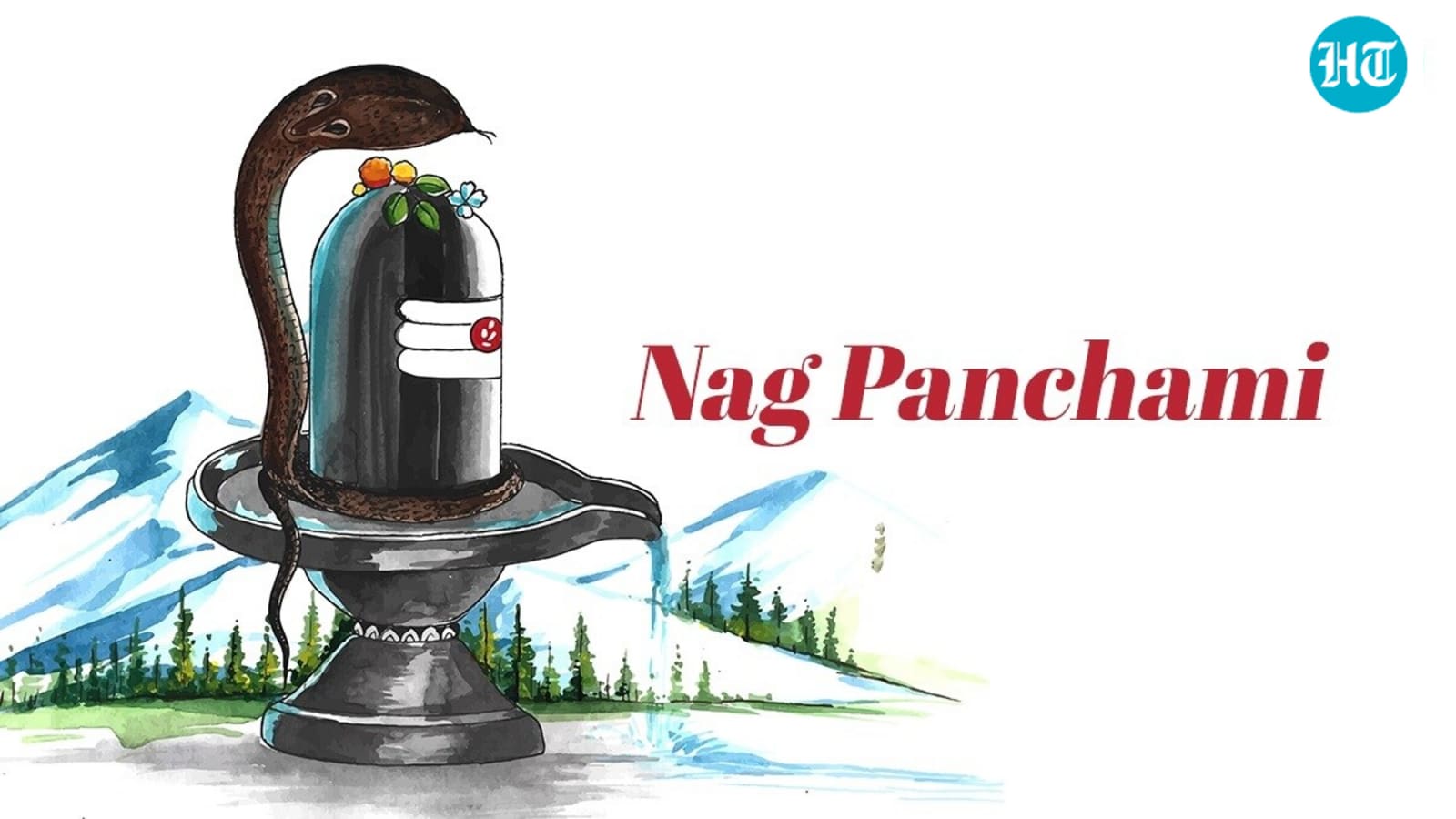
Nag Panchami 2026 will be observed on Monday, August 17, honoring serpent deities in Hindu tradition. The festival falls during the Shukla Paksha Panchami of the Shravan month and holds deep religious and astrological significance.
The Significance of Nag Panchami 2026
Nag Panchami remains one of the most culturally significant festivals in the Hindu calendar, dedicated to the worship of the Nag Devta or serpent deities. Observed annually during the Shukla Paksha Panchami of the Shravan month, the festival serves as a bridge between ancient folklore and contemporary religious practice. In 2026, devotees across various regions will mark this occasion on Monday, August 17, adhering to specific traditional rituals that have been passed down through generations.
Astrological and Religious Context
The timing of Nag Panchami is deeply rooted in Vedic astrology and the lunar calendar. By falling during the auspicious month of Shravan—a period already considered holy for its association with Lord Shiva—the festival gains increased spiritual weight. The selection of the Shukla Paksha Panchami is not arbitrary; it represents a specific alignment that devotees believe is ideal for seeking protection and blessings from the serpent deities, who are often associated with the earth's fertility and the preservation of cosmic balance.
Rituals and Observance
While rituals can vary significantly by location, the core of Nag Panchami involves the veneration of serpents to ensure the safety and prosperity of one's household. Devotees typically engage in specific puja (worship) ceremonies, following designated muhurats (auspicious timings) to maximize the spiritual efficacy of their prayers. These practices often involve offerings of milk, flowers, and sweets, symbolizing a harmonious relationship with nature and the divine forces represented by the serpent.
Broader Cultural Implications
The celebration of Nag Panchami underscores the broader Hindu philosophy of environmental stewardship and respect for all living creatures. By honoring the serpent, a creature often feared, the tradition encourages a shift toward coexistence and reverence for the natural world. This cultural perspective is essential for understanding how ancient festivals maintain their relevance in the modern era, as they continue to provide a framework for community cohesion and individual spiritual reflection.
Future Trends in Observance
As we look toward the 2026 observance, the reliance on resources like the Drik Panchang highlights a modern trend: the digitization of traditional knowledge. Even as the festival remains deeply traditional, the methods by which devotees determine tithis and puja timings have become increasingly accessible through technology. This ensures that even as the world changes, the core tenets of Nag Panchami remain preserved and accessible to future generations, allowing the tradition to evolve without losing its foundational essence.
Verification Required?