Nagarjuna calls out long delays for Tollywood releases: 'Nolan's The Odyssey announced release date a year ahead'
Source Entity
Latest News: Today's Latest News Headlines from India & World | Hindustan Times | Hindustan Times
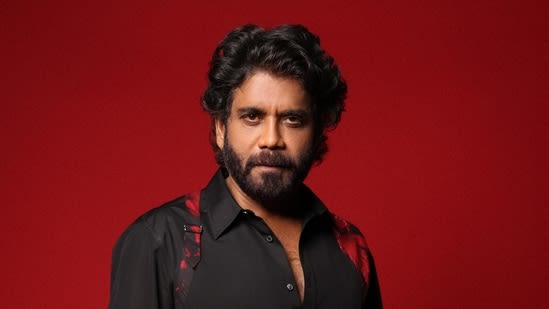
Actor Nagarjuna has publicly criticized the recurring culture of last-minute film postponements in Tollywood. He advocates for a two-week post-production buffer to ensure quality and professional discipline in release scheduling.
The Crisis of Reliability in Tollywood: A Call for Change
Recent trends in the Telugu film industry, commonly known as Tollywood, have been marred by a recurring cycle of last-minute release date shifts. High-profile projects, including Lenin, The Raja Saab, Devara, and Peddi, have all faced significant delays, often announced only days before their scheduled premieres. This instability has become a point of frustration for audiences, exhibitors, and industry stakeholders alike, prompting veteran actor Nagarjuna to speak out against the prevailing 'postponement culture.'
Nagarjuna’s Critique: Quality Over Chaos
During the success meet for the film Lenin, Nagarjuna addressed the systemic issue directly. He emphasized that the root cause of these delays often lies in the frantic rush to complete post-production tasks—such as editing, visual effects, and sound mixing—too close to the release date. By urging directors, technicians, and music directors to finalize their work at least two weeks before the scheduled premiere, Nagarjuna is advocating for a more disciplined production pipeline that prioritizes cinematic quality over hurried delivery.
The 'Nolan' Standard and Professional Discipline
Drawing a comparison to global filmmaking standards, Nagarjuna highlighted the meticulous planning of directors like Christopher Nolan, noting that big-budget projects like The Odyssey are often announced with firm release dates a full year in advance. This contrast serves to underline the lack of professional predictability currently plaguing Tollywood. Nagarjuna’s argument is that by allowing a two-week buffer, the post-production teams can 'carve' the film into its most polished form, preventing the technical glitches that often accompany rushed final cuts.
Broader Implications for the Industry
Constant postponements carry significant financial and reputational weight. Every time a film is delayed, distributors, theater owners, and marketing partners suffer losses, and the audience's trust in the industry’s professional commitments erodes. Nagarjuna’s statement is particularly poignant because he includes himself in this accountability, acknowledging that the industry as a whole—including established stars—must change its workflow to avoid these logistical bottlenecks.
Future Trends and Industry Discipline
If the industry follows Nagarjuna’s call for a two-week post-production window, we could see a shift toward more sustainable production schedules. This would likely require a fundamental change in pre-production planning and a move away from the 'last-minute' mentality that has become standard. Moving forward, the success of major releases may depend on whether creators can adopt this disciplined approach to ensure that the final product reaches the theater on time without sacrificing artistic integrity.
Conclusion
Nagarjuna’s intervention serves as a necessary wake-up call for Tollywood. By emphasizing the need for timely delivery and structured post-production, he is pushing for a more professional environment that respects both the craft of filmmaking and the expectations of the public. If adopted, this culture of discipline could restore stability to the release calendar and elevate the overall standard of Telugu cinema.
Verification Required?