Nail the middle path, stop chasing the highest return
Source Entity
Latest News: Today's Latest News Headlines from India & World | Hindustan Times | Hindustan Times
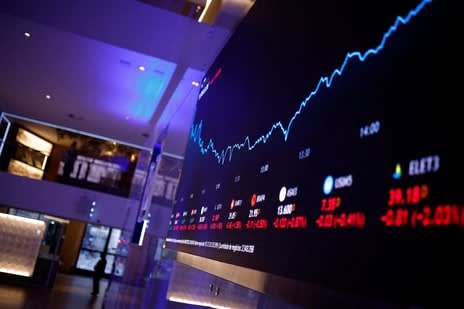
Financial experts advise balancing investment strategies by avoiding both ultra-conservative bank deposits and high-risk speculative trading. Long-term wealth creation relies on aligning assets with individual goals and risk tolerance rather than chasing market hype.
The Balanced Path to Wealth Creation
In the contemporary financial landscape, investors often find themselves trapped between two extremes: the perceived safety of traditional bank deposits and the volatile allure of speculative assets like AI stocks, derivatives, and cryptocurrencies. Recent data highlights a significant dichotomy in Indian household financial behavior, where a substantial 43% of assets remain parked in low-yield bank deposits. While these deposits provide nominal capital preservation, they frequently fail to keep pace with the eroding effects of inflation and taxation, effectively resulting in a loss of real purchasing power over time.
The Perils of Speculation
Conversely, a growing segment of the market is increasingly drawn to high-risk trading, particularly in the equity derivatives segment. Despite sobering statistics from the Securities and Exchange Board of India (SEBI) indicating that nine out of ten traders lose money, the daily traded value in this sector has surged to approximately ₹2.63 lakh crore in FY25. This figure represents a staggering increase from the ₹1.20 lakh crore recorded in the cash segment, underscoring a market trend characterized by a dangerous appetite for short-term outperformance rather than sustainable wealth accumulation.
Defining the Middle Path
True wealth management requires what experts describe as the 'middle path.' This strategy involves rejecting the binary choice between stagnation and gambling. Instead, it advocates for a disciplined approach where investment decisions are dictated by personal financial goals, specific time horizons, and individual risk temperament. By focusing on asset allocation that aligns with these parameters, investors can mitigate the need to chase speculative bubbles while ensuring their capital is working efficiently against inflation.
The Role of Discipline in Market Cycles
Discipline remains the most critical component of long-term investing. Markets are inherently cyclical, and the temptation to chase the 'next big thing' often peaks when asset prices are at their most inflated. By adhering to a structured investment plan, investors can avoid the emotional pitfalls of market volatility. The core objective should be to take only as much risk as is strictly necessary to achieve one's defined financial milestones, rather than attempting to maximize returns through excessive exposure.
Future Trends and Conclusion
Looking forward, the financial literacy narrative must shift toward the importance of realistic expectations. As the gap between conservative savings and high-risk derivatives continues to widen, the necessity for a balanced, goal-oriented methodology becomes paramount. Ultimately, wealth creation is a marathon, not a sprint; those who resist the urge to chase extreme returns and instead focus on disciplined, goal-aligned investing are significantly more likely to preserve and grow their capital in the long run.
Verification Required?