Opinion: 'A Breaking Point': An Open Letter To Nandan Nilekani On How To Fix India's Exams
Source Entity
NDTV News Search Records Found 1000
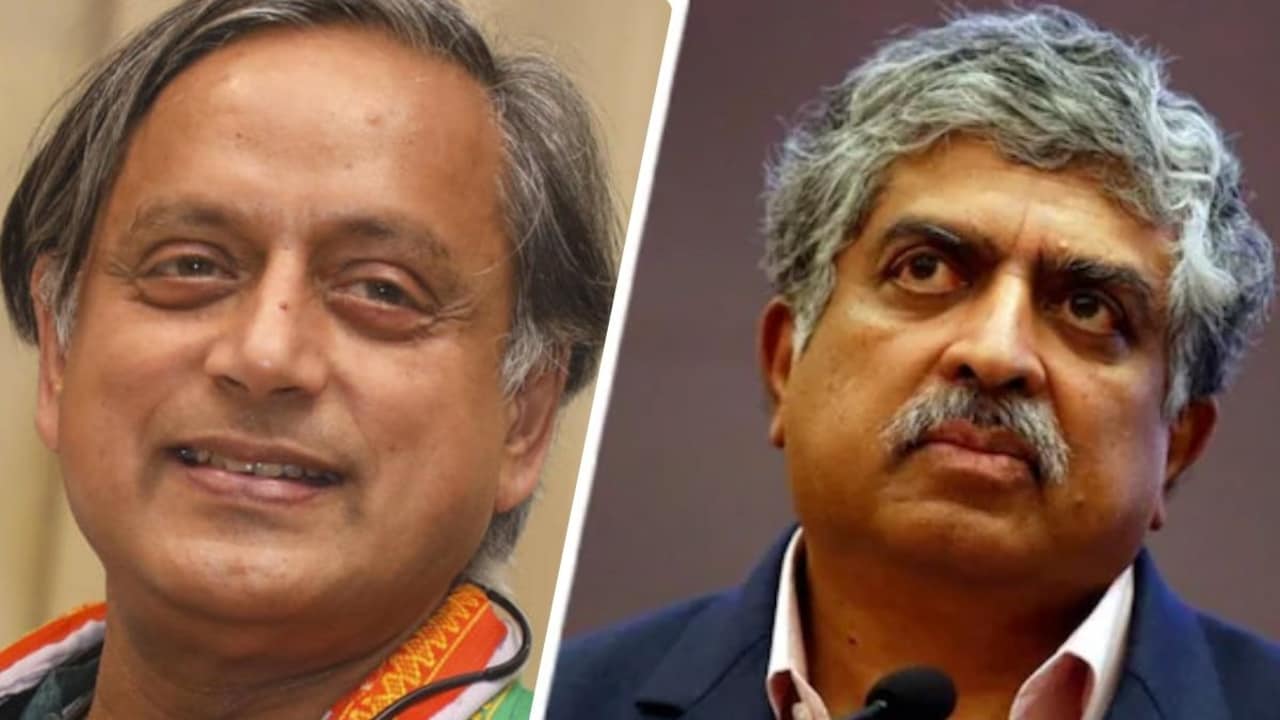
Prime Minister Narendra Modi has appointed Infosys co-founder Nandan Nilekani to lead a new task force dedicated to reforming India's examination system. In response, Congress MP Shashi Tharoor has proposed a radical blueprint to address systemic failures and restore integrity to the process.
A New Chapter for Indian Examination Reforms
The Indian government has officially initiated a strategic overhaul of its national examination infrastructure, with Prime Minister Narendra Modi announcing the formation of a specialized task force headed by Infosys co-founder Nandan Nilekani. This move comes at a critical juncture for the nation’s academic and professional assessment landscape, which has faced mounting pressure to ensure transparency, security, and efficiency in the wake of recent controversies.
The Role of Nandan Nilekani
Nandan Nilekani is widely regarded as a technocratic heavyweight, best known for his instrumental role in architecting the Aadhaar project and streamlining India's digital public infrastructure. By appointing him to lead this reform initiative, the government is signaling a shift toward technology-driven solutions. The expectation is that Nilekani will leverage his extensive experience in large-scale system integration to propose robust frameworks that can withstand modern challenges such as data breaches, logistical failures, and systemic corruption.
Shashi Tharoor’s Radical Blueprint
In a significant development, Congress MP Shashi Tharoor has publicly engaged with this initiative by drafting an open letter addressed to Nilekani. Tharoor’s intervention suggests that the reform process should not be limited to mere administrative tweaks but requires a radical, structural transformation. By positioning this as a 'breaking point' for the current system, Tharoor is advocating for a comprehensive audit of how examinations are conceived, conducted, and monitored, emphasizing the need for accountability at the highest levels.
Addressing Systemic Vulnerabilities
The collaboration between political oversight and technological expertise is essential to addressing the vulnerabilities plaguing India's current examination regime. The reliance on legacy systems has often left the testing process susceptible to human error and malicious interference. A revamped system, under the guidance of a task force with the stature of Nilekani’s, could potentially introduce end-to-end digital tracking, decentralized testing modules, and enhanced security protocols that restore public confidence.
Broader Implications for Students
For millions of students, these reforms are not merely bureaucratic exercises but are vital to their future career prospects. The stress and uncertainty caused by recent exam mismanagement have prompted a national conversation on the necessity of a stable, meritocratic environment. If the task force succeeds in its mandate, it could mark the beginning of a more reliable assessment era, reducing the psychological toll on candidates and ensuring that merit remains the primary driver of success.
Conclusion and Future Outlook
As the task force begins its tenure, the intersection of political input and technical execution will be closely watched by stakeholders nationwide. The success of this initiative will likely depend on the government’s willingness to adopt radical suggestions, such as those proposed by Tharoor, and implement them with the technical rigor associated with Nilekani. Ultimately, the goal is to create a resilient, future-proof examination system that serves as a gold standard for academic and recruitment integrity in India.
Verification Required?