NASA chief: I'm only interested in "good deals" from international partners
Source Entity
Stephen Clark
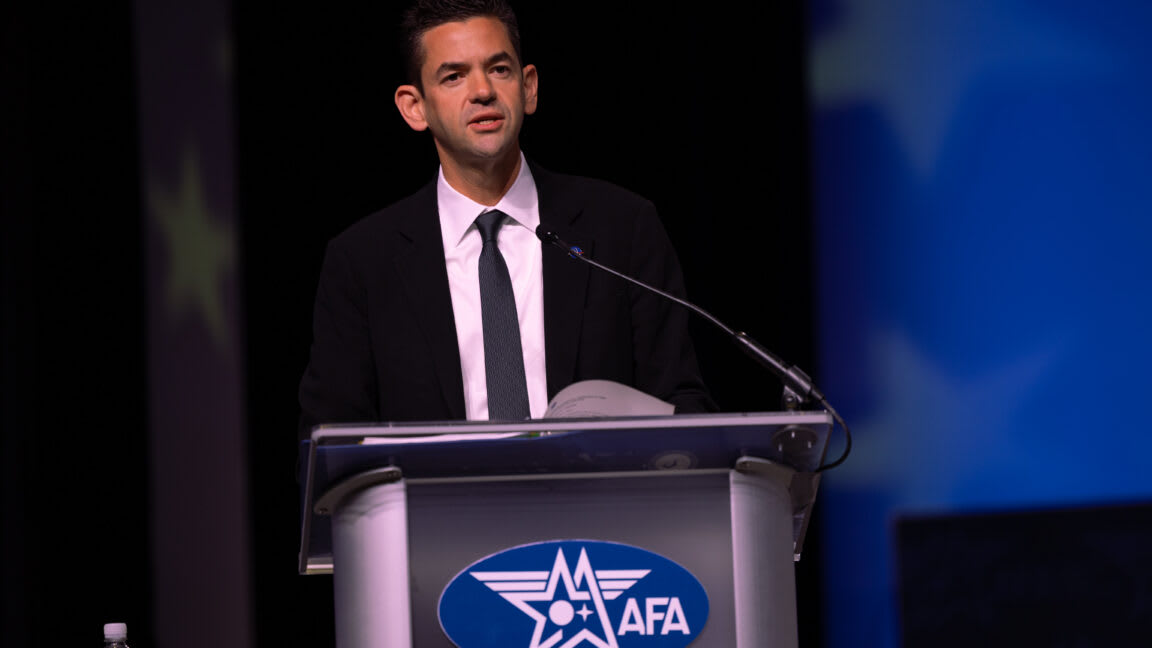
NASA Administrator Jared Isaacman is shifting the agency's strategy toward more selective, value-driven international partnerships. This pivot reflects the intensifying global competition for strategic lunar resources, particularly at the Moon's south pole.
The Shift Toward Strategic Lunar Partnerships
NASA is undergoing a significant strategic evolution in how it engages with international partners. Administrator Jared Isaacman has signaled a move away from the agency’s previous approach of broad, inclusive cooperation, which was often aimed at keeping all stakeholders satisfied. Instead, the agency is now prioritizing "good deals"—partnerships that provide tangible, high-value returns to the United States as the global space race enters a more competitive, resource-focused era.
Moving Beyond Prestige to Resource Security
The fundamental nature of lunar exploration has shifted from a symbolic display of national prestige to a high-stakes competition for extraterrestrial real estate. Historically, space exploration was dominated by the geopolitical rivalry between the United States and the Soviet Union, defined by the "Space Race" for symbolic milestones. Today, that rivalry has evolved into a race for long-term sustainability and resource access, with the Moon’s south pole serving as the primary objective for modern spacefaring nations.
The Strategic Importance of the Lunar South Pole
At the heart of this shift is the lunar south pole, a region identified as the "sweet spot" for future lunar infrastructure. The presence of substantial quantities of water ice in this area makes it the most valuable piece of real estate on the Moon. Water ice is a critical resource; it can be processed into liquid oxygen and hydrogen for rocket fuel, as well as providing life support for long-term human habitation. Controlling access to these specific locations is now a matter of national and economic security.
Implications for International Cooperation
Isaacman’s pivot suggests that NASA will be increasingly selective about the partners it chooses for the Artemis era. By focusing on "good deals," NASA aims to maximize the utility of its budget and engineering assets by aligning with partners who can offer specific technological or logistical advantages. This shift acknowledges that as lunar mission costs rise and the technical difficulty of establishing a permanent base increases, the agency must ensure every partnership directly contributes to the success of its primary mission objectives.
Future Trends in Extraterrestrial Real Estate
Looking ahead, the competition for lunar resources is likely to intensify as more nations and private entities target the same limited regions near the south pole. The transition from exploration to potential extraction implies that international law and norms—such as the Artemis Accords—will be tested. NASA's new, more disciplined approach to international engagement serves as a preemptive measure to ensure that American interests and infrastructure remain at the forefront of this developing extraterrestrial economy.
Conclusion
The era of purely symbolic space cooperation is being replaced by a pragmatic, interest-based strategy. By prioritizing selective partnerships and focusing on the resource-rich lunar south pole, NASA is positioning itself to lead in an environment where the stakes are not just ideological, but essential for the future of human space presence.