NASA squeezed Treasury, vibe coded, and broke the mold in bid to save Swift
Source Entity
Stephen Clark
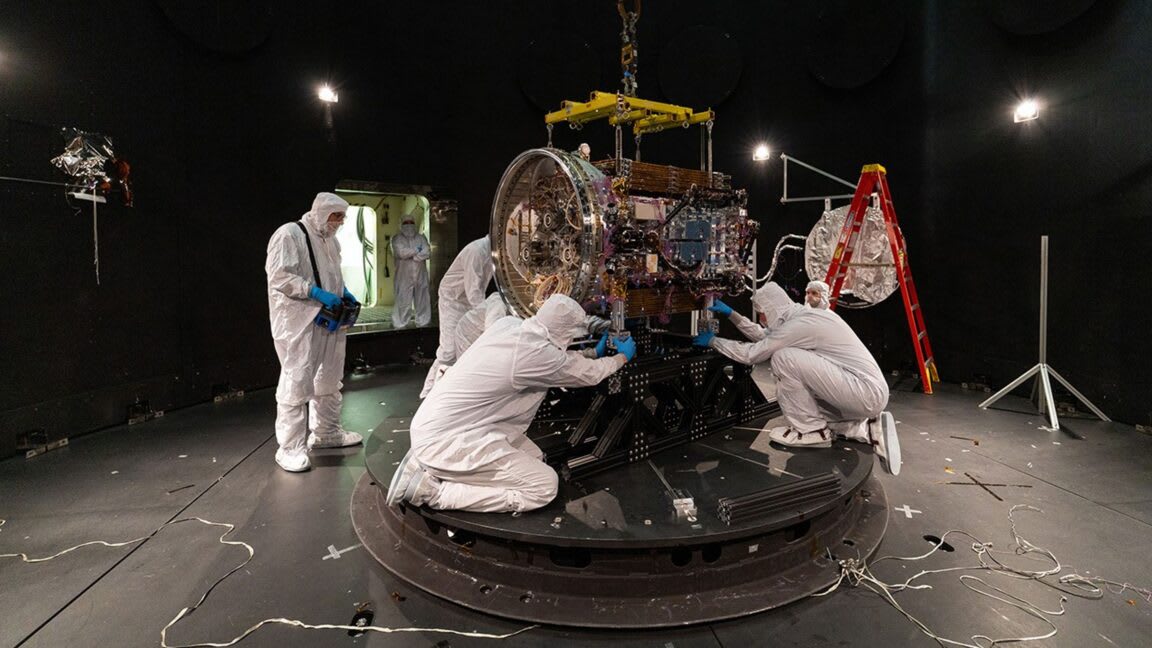
NASA's attempt to extend the life of the $500 million Neil Gehrels Swift Observatory via the Katalyst Space Technologies 'Link' mission failed after a malfunction. Despite the setback, the project pioneered new private-public partnerships in orbital servicing.
The Ambitious Attempt to Salvage the Swift Observatory
NASA’s recent endeavor to rescue the $500 million Neil Gehrels Swift Observatory marks a significant, albeit unsuccessful, chapter in the evolution of orbital maintenance. The mission sought to address the natural orbital decay of the observatory, which has been a cornerstone of high-energy astrophysics since its launch. By attempting to boost the satellite into a higher orbit, NASA aimed to extend the operational lifespan of a critical piece of scientific infrastructure, demonstrating a proactive approach to space asset management.
The Role of Private Innovation
At the heart of this initiative was a $30 million contract awarded to Katalyst Space Technologies. This partnership highlights a growing trend in the aerospace sector: the delegation of complex, high-stakes engineering tasks to agile private firms. The 'Link' spacecraft, developed under a tight nine-month timeline, represented a bold attempt to 'break the mold' of traditional government-led mission design. By leveraging commercial capabilities, NASA sought to achieve rapid, cost-effective solutions for debris mitigation and asset extension.
Technical Hurdles and the 'Link' Malfunction
While the mission design was innovative, the execution faced severe technical challenges. The Link spacecraft successfully achieved launch on July 3, clearing the initial hurdles of orbital insertion. However, the mission hit a critical impasse when the craft experienced a malfunction shortly after its initial checkouts, leading to an uncontrolled spin. This failure underscores the extreme difficulty of autonomous docking and orbital maneuvering, particularly when dealing with legacy satellites not originally designed for in-orbit servicing.
Broader Implications for Space Sustainability
This mission serves as a sobering case study for the future of space sustainability. As the number of satellites in low Earth orbit increases, the ability to perform life-extension missions will become essential to managing orbital congestion and protecting multi-million dollar investments. The fact that the attempt fell short does not negate the value of the lessons learned; rather, it provides a roadmap for future engineers to refine the docking and stabilization technologies required for such delicate operations.
Institutional Resilience and Future Trends
Despite the disappointment, government and commercial officials have lauded the 'behind-the-scenes machinations' that made the rescue attempt possible. The willingness of NASA to experiment with unconventional procurement and rapid development cycles indicates a shift in institutional culture. Looking forward, the industry is likely to see more 'vibe-coded' or non-traditional engineering approaches as agencies strive to protect their scientific portfolios against the realities of orbital decay.
Conclusion
While the Neil Gehrels Swift Observatory remains in its current trajectory, the legacy of this mission lies in its ambition. The attempt to save a major scientific asset through private collaboration has set a precedent for future orbital rescue attempts. As the aerospace sector continues to mature, these complex maneuvers will become the standard for maintaining a sustainable and productive presence in Earth's orbit.