National Teachers’ Day 2026: Why India celebrates it on September 5?
Source Entity
The Indian Express
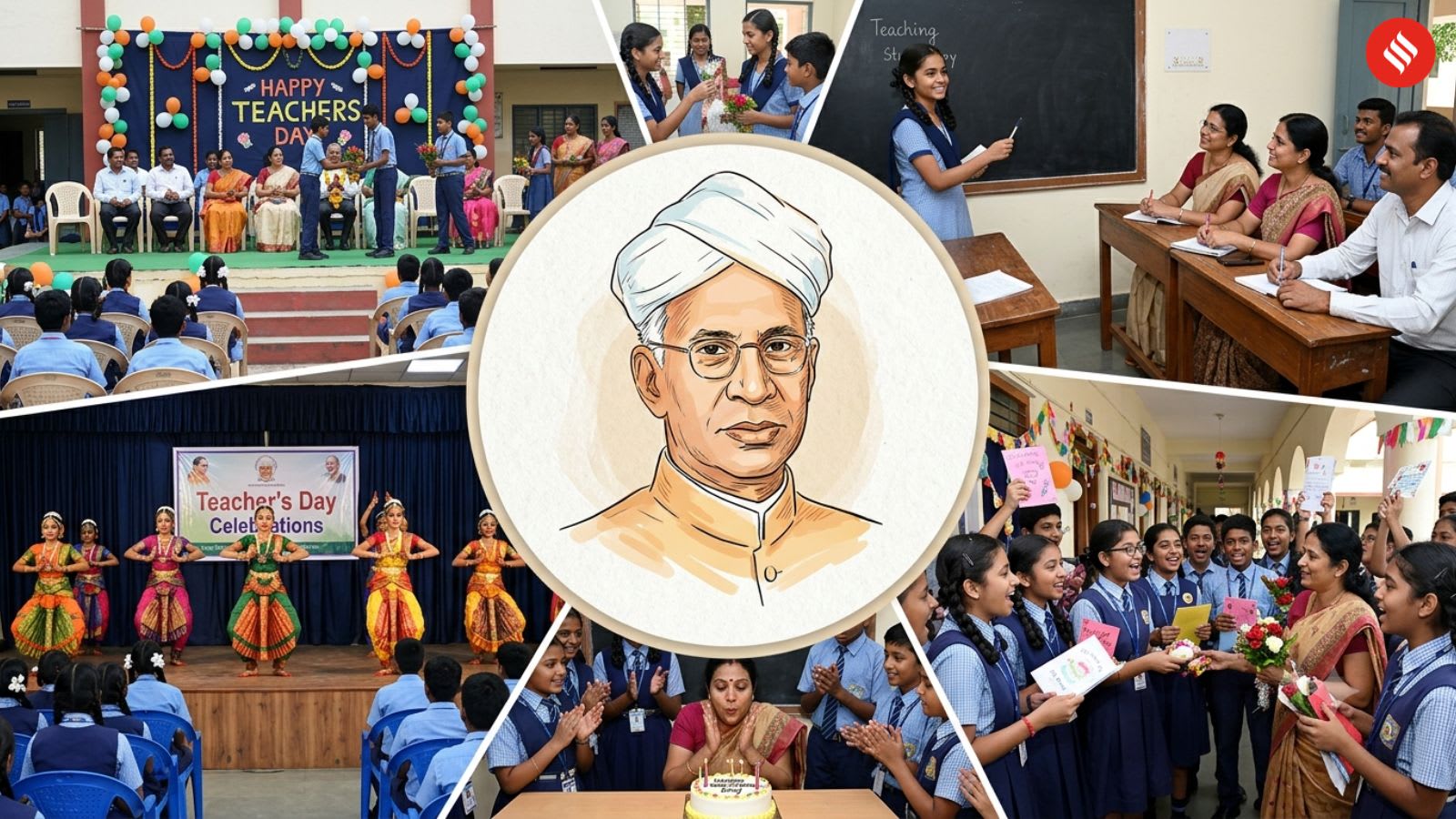
India celebrates Teachers' Day annually on September 5 to honor the birth anniversary of Dr. Sarvepalli Radhakrishnan. This tradition, established in 1962, involves students organizing cultural programs and occasionally assuming teaching roles to show appreciation.
The Significance of September 5: Honoring India's Educators
Every year on September 5, India observes Teachers’ Day, a significant cultural and academic milestone dedicated to acknowledging the profound impact educators have on the nation's future. This celebration is not merely a formality; it is a deeply rooted tradition within the Indian educational ecosystem, reflecting the cultural reverence for the 'Guru' or teacher, which has existed in Indian society for millennia.
The Historical Genesis of the Tradition
The choice of September 5 is inextricably linked to the legacy of Dr. Sarvepalli Radhakrishnan, a distinguished scholar, philosopher, and the second President of India. Born on September 5, 1888, Dr. Radhakrishnan was a staunch advocate for education and a firm believer that teachers should be the best minds in the country. The tradition of celebrating his birthday as Teachers’ Day began in 1962, when his students approached him with the desire to celebrate his birthday, to which he famously suggested that it would be a greater honor if September 5 were observed as Teachers’ Day instead, thereby shifting the focus from individual personality to the profession of teaching itself.
Classroom Dynamics and Role Reversal
Across schools and colleges in India, the day is marked by a unique shift in institutional norms. Students take the initiative to organize cultural events, performances, and games, creating a festive atmosphere that breaks the monotony of standard academic curricula. A particularly notable custom involves senior students taking on the responsibility of teaching younger classes. This role reversal serves a dual purpose: it allows students to experience the complexities of pedagogy and classroom management, while simultaneously granting the actual teachers a well-deserved break from their rigorous daily responsibilities.
Cultural Expression and Respect
The day also serves as a platform for students to express their gratitude through artistic expression. In many institutions, students engage in respectful mimicry or enactments of their teachers, a practice that highlights the close and often humorous bond shared between mentors and pupils. These performances, while lighthearted, are conducted with a sense of respect, reinforcing the idea that teachers are not just transmitters of information, but active participants in the personal and intellectual growth of their students.
Broader Implications for the Future
As India continues to modernize its educational infrastructure, the celebration of Teachers’ Day remains a vital touchstone for maintaining the human element in learning. In an era increasingly dominated by digital tools and automated learning platforms, the recognition of the teacher’s role is more critical than ever. By honoring the legacy of leaders like Dr. Radhakrishnan, the nation reaffirms its commitment to nurturing a robust academic culture that values wisdom, mentorship, and the enduring bond between the educator and the learner.
Conclusive Summary
In conclusion, Teachers’ Day in India is a multifaceted celebration that blends historical legacy with contemporary student engagement. From the humble origins of a presidential request in 1962 to the vibrant student-led programs seen today, the day honors the foundational role teachers play in shaping society. It serves as a reminder that education is a collaborative journey, one that requires mutual respect, dedication, and the occasional celebration of the individuals who guide the next generation.