Proposed bank strike deferred after talks between bank body and unions
Source Entity
YASHASVI VASISTHA
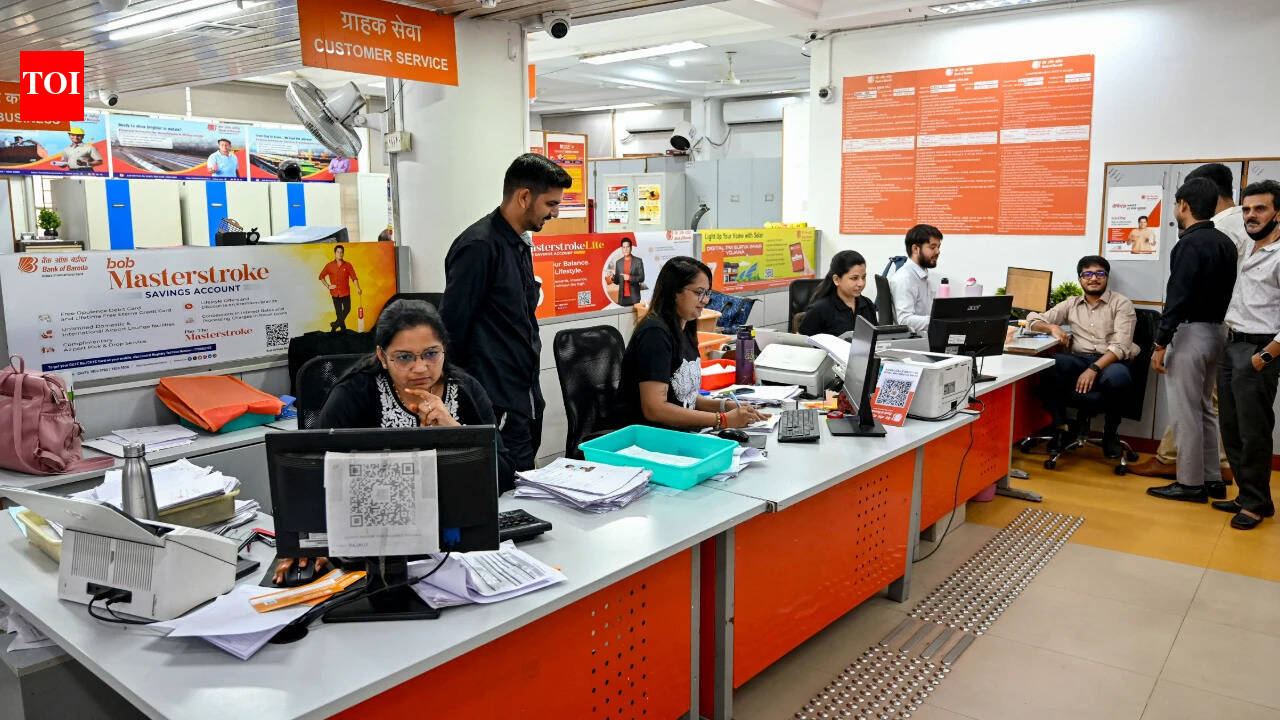
A planned three-day nationwide bank strike in India has been deferred following an agreement between the Indian Banks' Association and the United Forum of Bank Unions. Both parties have agreed to form a high-level committee to negotiate the implementation of a five-day work week.
Nationwide Bank Strike Deferred: A Path to Resolution
The banking sector in India narrowly avoided a significant operational disruption this week as the United Forum of Bank Unions (UFBU) announced the deferment of a proposed three-day nationwide strike. Originally scheduled to commence on September 28, the industrial action was halted following critical late-night negotiations held on Sunday, September 27, between the UFBU and the Indian Banks' Association (IBA).
The Core Conflict: The Five-Day Work Week
At the heart of the labor unrest was the persistent demand from bank employees to transition to a five-day work week. Currently, the banking industry operates under a system where specific Saturdays are designated as working days. The unions have long argued that a uniform five-day work week is essential for employee well-being and modernizing the industry's human resource standards. The IBA, representing the management interests of banks, has historically navigated the balance between employee demands and the necessity of maintaining consistent public service availability.
Strategic Deferment and Committee Formation
The decision to call off the strike was not merely a cancellation but a strategic pause based on a formal understanding reached during the 9:30 p.m. meeting. Both the IBA and the UFBU have committed to the immediate formation of a high-level committee tasked with evaluating the feasibility of declaring all remaining Saturdays as holidays. This collaborative approach suggests a move toward bilateral resolution rather than unilateral action.
Balancing Stakeholder Interests
The mandate for the newly formed committee is comprehensive. According to the official circular, the committee is charged with exploring all possible alternatives while consulting with all relevant stakeholders. Crucially, the UFBU has emphasized that any final solution must be acceptable to all parties involved, explicitly highlighting the needs of the bank customers. This focus on customer service continuity is a vital component in maintaining public trust during labor negotiations.
Operational Continuity and Future Outlook
As a direct result of the negotiations, banks remained operational on Monday, September 28, preventing a widespread halt to financial transactions, clearing services, and retail banking activities. This development is significant for the broader economy, as prolonged bank strikes often cause ripple effects across the trade, manufacturing, and service sectors.
Conclusion: A Collaborative Future
Looking ahead, the success of this high-level committee will determine whether the banking sector can modernize its work-life balance policies without compromising operational efficiency. By choosing the path of deliberation over disruption, the IBA and UFBU have set a constructive precedent. The coming weeks will be critical as the committee balances the unions' push for a five-day week against the operational requirements of the national banking infrastructure.
Multiple Citing Sources