U.S. Strategic Petroleum Reserve Falls to Lowest Level Since 1982
Source Entity
Hacker News
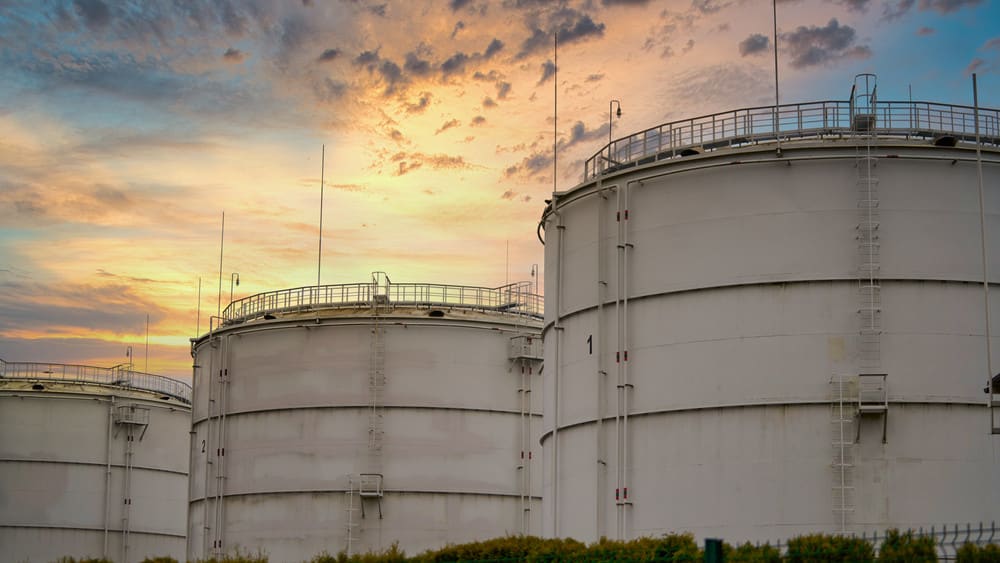
The U.S. Strategic Petroleum Reserve has reached its lowest level since 1982, dropping to 283.8 million barrels. This depletion follows significant authorized releases intended to stabilize global energy markets.
The Strategic Petroleum Reserve: A Historical Low
The U.S. Strategic Petroleum Reserve (SPR) has reached a critical juncture, with recent data from the Energy Information Administration (EIA) confirming that crude stocks plummeted to 283.8 million barrels by late September. This figure represents the lowest inventory level since October 1982, marking a significant departure from the reserve's historical role as a massive cushion against global supply shocks.
The Mechanics of the Drawdown
This rapid depletion is not a spontaneous event but the result of deliberate policy execution. The current trend traces back to a major authorization in March, where 172 million barrels were slated for release. This move was part of a broader, coordinated effort involving 32 member countries of the International Energy Agency (IEA), which collectively aimed to release 400 million barrels to mitigate supply concerns and market volatility.
Comparing Historical Contexts
To understand the gravity of these figures, one must look at the trajectory over the past year. Twelve months ago, the SPR held 406.0 million barrels; the drop to 284.6 million in mid-September and the subsequent slide to 283.8 million illustrates a relentless pace of discharge. The reserve has breached multiple psychological and historical thresholds this year, including falling below the 300 million-barrel mark and dipping beneath levels not seen since 1983.
Market Implications and Energy Security
The SPR was originally established in the aftermath of the 1973-1974 oil embargo to provide the United States with a buffer against supply disruptions. By utilizing such a significant portion of this reserve, the U.S. government has prioritized immediate price stabilization over long-term stockpiling. This shift reflects the intense pressure on energy markets and the strategic importance placed on preventing extreme price surges that could negatively impact the broader economy.
Future Outlook and Replenishment Challenges
As the inventory nears levels not seen in four decades, the focus will inevitably shift toward the logistical and economic challenges of replenishment. Refilling the SPR requires purchasing crude oil when market conditions are favorable, which could potentially place upward pressure on oil prices if not managed carefully. The transition from a period of massive release to one of potential accumulation represents a complex balancing act for energy policy planners.
Conclusion
The current state of the SPR highlights the trade-offs inherent in strategic energy management. While the coordinated releases were successful in injecting supply into a tight global market, the long-term implications of maintaining historically low reserves remain a subject of intense debate. Moving forward, the administration will need to navigate the delicate task of restoring these stockpiles without destabilizing the very market prices they sought to control.