Pradhan calls Rahul 'habitual liar', takes 'selective democracy' jibe at Congress
Source Entity
TOI NEWS DESK
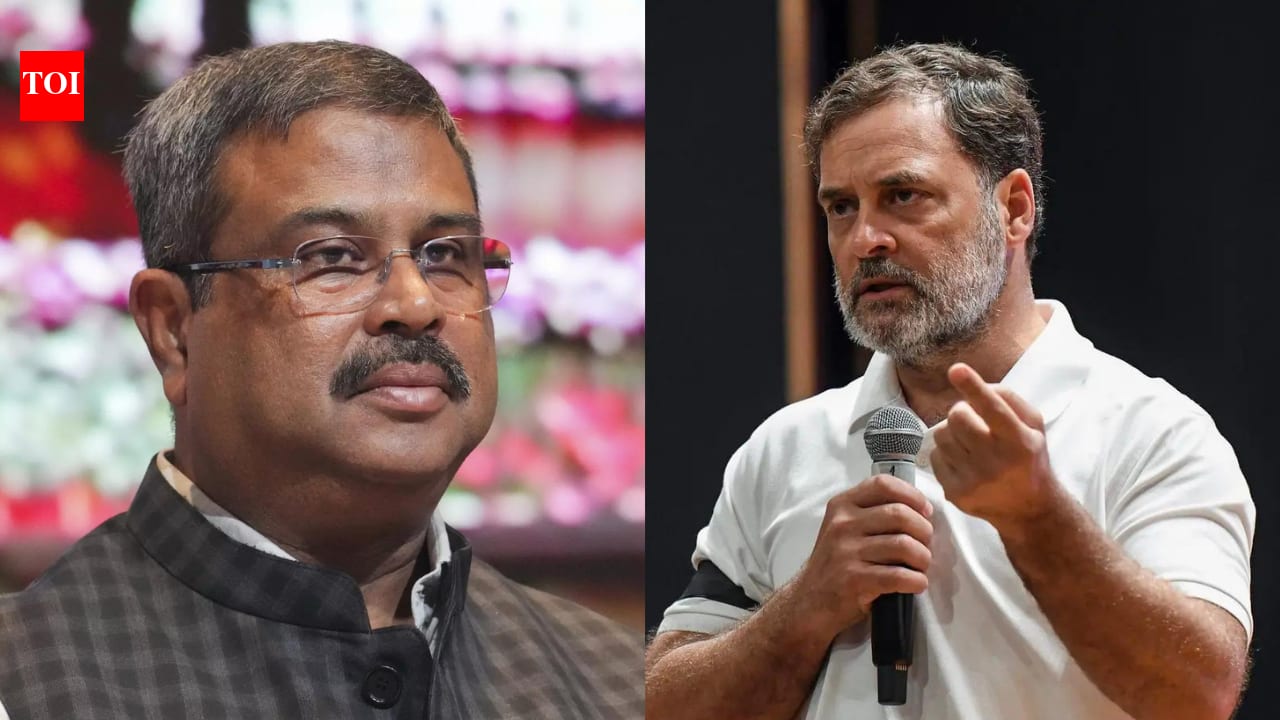
Tensions between the NDA and Congress have escalated following a celebratory 'Mangal Milan' event where MPs chanted 'Vande Mataram'. This has sparked a heated debate involving accusations of habitual lying and critiques regarding the selective nature of democratic discourse.
Political Polarization Intensifies in Parliament
The recent 'Mangal Milan' gathering of National Democratic Alliance (NDA) MPs, characterized by the waving of the tricolour and the chanting of 'Vande Mataram', has become a flashpoint for renewed political friction in India. This event, intended as a show of unity and patriotic fervor among the ruling coalition, has instead drawn sharp criticism from the opposition, highlighting the deep ideological divide currently shaping the parliamentary landscape.
The 'Vande Mataram' Controversy
Central to the discourse is Shashi Tharoor's critique of the full rendition of 'Vande Mataram'. Tharoor argued that those who insist on rigid adherence to specific patriotic performances have 'overlooked human nature,' suggesting that such displays are often used as litmus tests for nationalism. This perspective challenges the performative aspects of politics, where symbols are frequently leveraged to consolidate ideological support rather than foster inclusive national dialogue.
Accusations and Counter-Accusations
Simultaneously, the political environment has been poisoned by sharp personal and institutional rhetoric. Union Minister Dharmendra Pradhan labeled Rahul Gandhi a 'habitual liar' and accused the Congress party of practicing 'selective democracy.' This accusation suggests that the ruling party perceives the opposition's critiques of their governance as hypocritical, arguing that the Congress party only champions democratic values when it serves their political interests.
Broader Implications for Legislative Conduct
These exchanges reflect a broader trend of declining civility in Indian parliamentary proceedings. When symbolic acts of patriotism are met with skepticism, and policy debates devolve into ad hominem attacks, the legislative process risks becoming paralyzed. The focus shifts from governance and policy scrutiny to an ongoing battle over national identity and narrative control.
Historical Context of Political Symbolism
Historically, 'Vande Mataram' has been a powerful rallying cry since the Indian independence movement. However, its contemporary usage as a tool for political posturing illustrates how historical symbols are being repurposed to navigate modern electoral battles. By turning national symbols into points of contention, both the NDA and the opposition risk alienating voters who seek substantive solutions to economic and social challenges rather than purely symbolic confrontations.
Future Trends in Parliamentary Discourse
Looking ahead, it is likely that these tensions will continue to dictate the rhythm of parliamentary sessions. As both sides prepare for future electoral cycles, the reliance on aggressive rhetoric and symbolic polarization is expected to intensify. Unless there is a concerted effort to move toward a more constructive debate, the legislative body may struggle to maintain its function as a forum for deliberative democracy, potentially leading to further gridlock.
Multiple Citing Sources