NDMC apologises for waterlogging after ‘unexpected’ heavy rainfall in Delhi
Source Entity
India Latest News: Top National Headlines Today & Breaking News | The Hindu
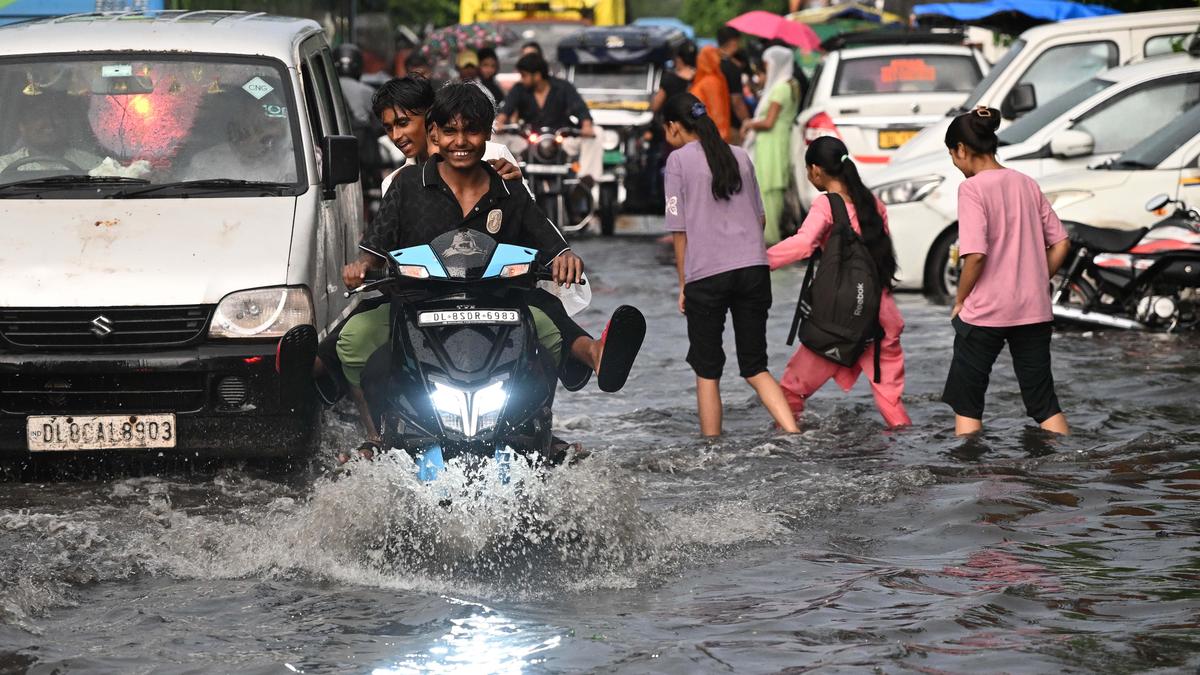
NDMC Chairperson Manoj Kumar Dwivedi has apologized to Delhi residents following severe waterlogging caused by an unexpected 72mm of rainfall in under two hours. The council has pledged to strengthen its drainage systems after acknowledging that clearing times exceeded their standard 15-20 minute window.
Delhi Faces Infrastructure Challenges After Record Rainfall
On August 25, 2026, the national capital experienced an intense meteorological event, with over 72 mm of rainfall recorded in less than two hours. This sudden deluge led to significant waterlogging in critical areas, including Connaught Place, Talkotara, and Mandir Marg. The sheer volume of water in such a condensed timeframe overwhelmed existing drainage infrastructure, leading to traffic disruption and public inconvenience.
Official Acknowledgment and Apology
In a transparent response to the crisis, New Delhi Municipal Council (NDMC) Chairperson Manoj Kumar Dwivedi issued a public apology via his social media channels. Acknowledging that the civic body's performance fell short of its established standards, Dwivedi noted that while the NDMC typically clears waterlogging within 15 to 20 minutes, several locations remained submerged for over an hour during this specific event.
Analyzing the 'Unexpected' Nature of the Downpour
Dwivedi characterized the rainfall as "unexpected," highlighting the volatility of monsoon weather patterns. By August 26, the total rainfall for the period had reached 107.8 mm. This intensity serves as a stark reminder of the challenges posed by extreme weather events in urban environments, where rapid precipitation often outpaces the capacity of legacy drainage networks.
Addressing Systemic Vulnerabilities
Despite the severity of the rain, the NDMC leadership has explicitly stated that the weather does not serve as an excuse for the failure of civic response protocols. The Chairperson emphasized that the incident has provided a clear mandate to strengthen the council’s systems. This suggests a shift toward a more robust, climate-resilient infrastructure strategy designed to handle higher thresholds of precipitation in the future.
Broader Implications for Urban Planning
This incident highlights a recurring theme in Delhi’s urban management: the struggle to maintain functional infrastructure during extreme monsoon spikes. As urban density increases, the strain on drainage systems becomes more pronounced. The NDMC’s commitment to process improvement reflects a broader need for city-wide upgrades to prevent similar paralysis in key commercial and administrative hubs like Connaught Place.
Future Trends and Resilience
The commitment by the NDMC to overhaul its response mechanisms suggests that future urban planning in New Delhi will likely prioritize climate-adaptive technology. As weather patterns become increasingly unpredictable, civic bodies are moving away from reactive measures toward proactive structural reinforcement, aiming to ensure that essential services remain uninterrupted even during record-breaking rainfall events.
Multiple Citing Sources
Verification Required?