Nepal did not create today’s climate crisis. Why should it pay the price?
Source Entity
The Indian Express
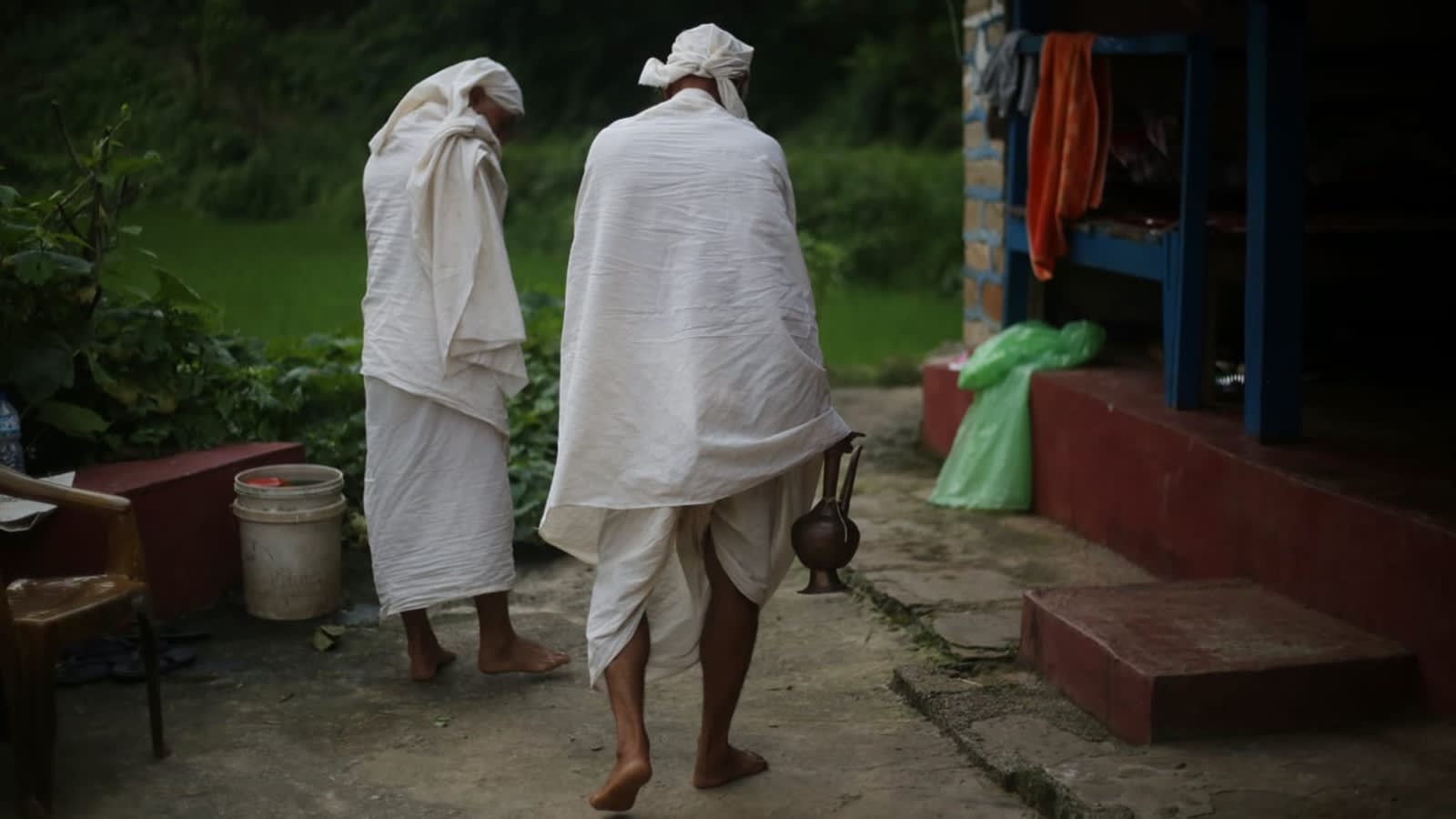
Despite contributing less than 0.1% of global greenhouse-gas emissions, Nepal faces catastrophic climate disasters like the August 26 floods. The nation now struggles to balance recovery amid political instability while advocating for international climate justice.
The Nepal Paradox: Global Emissions vs. Local Catastrophe
Nepal represents one of the most stark examples of the 'climate paradox' currently facing the Global South. While the nation contributes less than 0.1% of total global greenhouse-gas emissions, it is disproportionately bearing the brunt of a climate crisis it did not create. The recent catastrophic floods on August 26 serve as a grim reminder that geographical location—nestled in the volatile Himalayan range—renders the country uniquely susceptible to external environmental forces.
The Vulnerability of the Himalayan Landscape
Nepal’s physical geography has historically exposed it to a trifecta of natural disasters: earthquakes, floods, and glacial lake outburst floods. These events are no longer isolated incidents but have become recurring threats that test the structural integrity of the nation's infrastructure. The vulnerability is amplified by the country’s rugged topography, which complicates emergency response efforts and makes the task of accurately assessing casualties a logistical nightmare for authorities.
Political and Economic Constraints
Beyond the environmental hazards, Nepal is currently navigating a precarious period of political instability and economic uncertainty. These internal systemic challenges have severely weakened the state’s capacity to build resilient infrastructure and maintain robust disaster management protocols. When a disaster of the magnitude of the August 26 floods occurs, the government is often left scrambling, as seen in the ongoing necessity for mass burials and the inability to provide definitive casualty figures.
The Burden of Crisis Management
The scale of destruction following the August 26 floods has overwhelmed local resources, forcing the government to rely heavily on international aid. While Nepal has been fortunate to receive financial, technical, and moral support from the global community, this reliance highlights a systemic failure in the current global climate framework. The necessity of outside intervention underscores the reality that nations like Nepal lack the fiscal space to independently fund the massive recovery operations required for modern climate-induced disasters.
A Call for Global Climate Justice
The situation in Nepal raises fundamental questions regarding climate justice. If the burden of climate change is distributed so unevenly, the mechanisms for financial and technical aid must be re-evaluated. Nepal’s experience suggests that international support cannot be a reactive, ad-hoc process but must instead become a formalized system of resilience-building. Future trends indicate that unless global carbon reduction targets are met, the frequency of such events will only increase, potentially exceeding the capacity of even the most well-intentioned international aid programs.
Conclusion: Moving Toward Resilience
Ultimately, the Nepal paradox serves as a diagnostic of the global climate crisis. The country is effectively a frontline state for climate impacts, yet it lacks the historical responsibility for the current atmospheric state. Moving forward, the global community must shift from providing post-disaster aid to investing in long-term, sustainable infrastructure that acknowledges the reality of Nepal’s environmental vulnerability in an era of climate change.