32 injured as bus carrying Nepal flood evacuees from Rasuwa crashes in Danda
Source Entity
Latest News: Todays Latest News Headlines from India & World | Hindustan Times | Hindustan Times
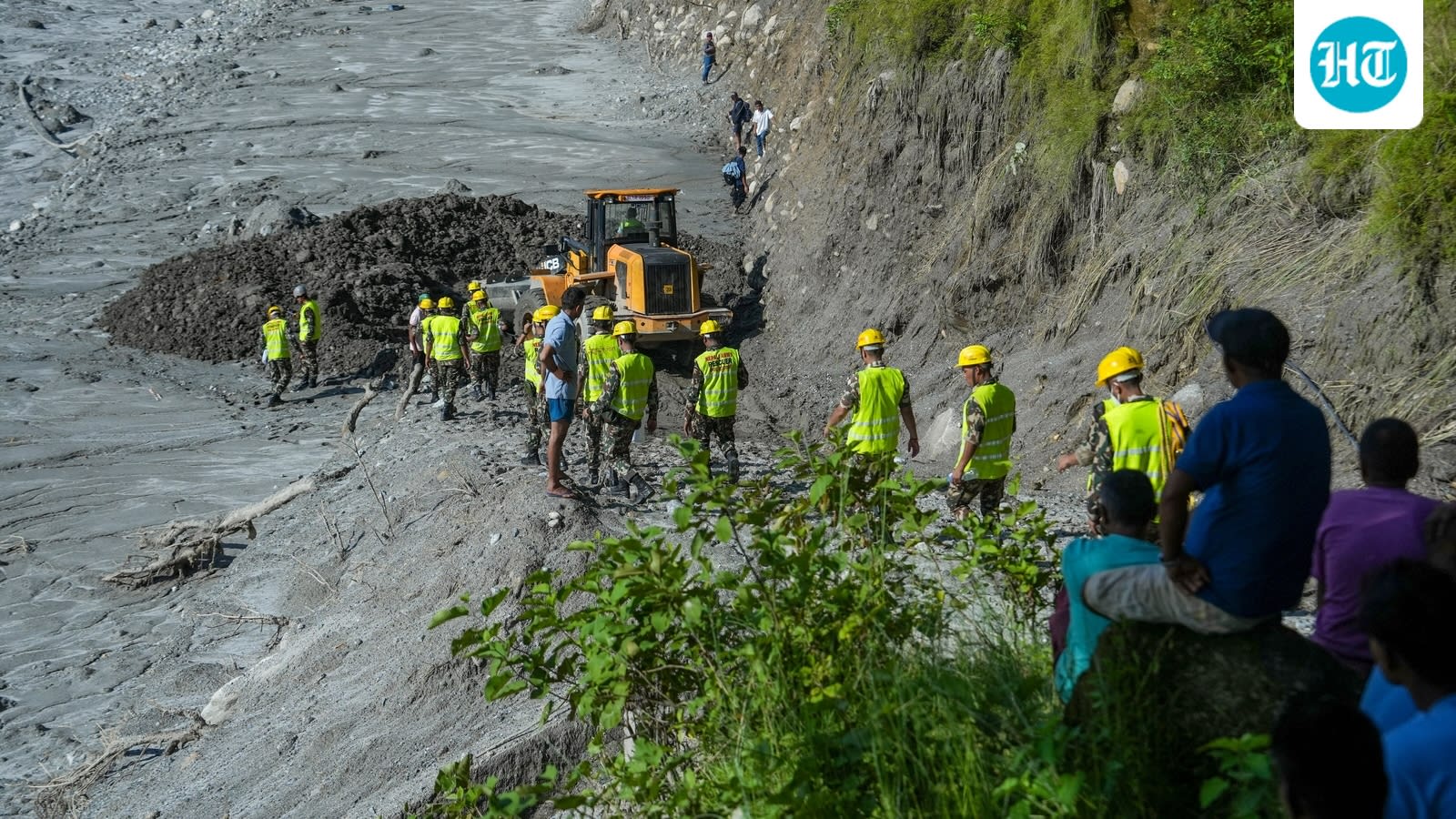
A bus transporting 38 flood evacuees from Rasuwa to Bardiya crashed in Danda, Nawalparasi, leaving 32 passengers injured. The accident occurred amidst ongoing national search and rescue efforts following severe flooding in Nepal.
Bus Crash Involving Flood Evacuees in Nawalparasi
A tragic traffic accident occurred on Sunday in Danda, located east of Nawalparasi, involving a bus carrying 38 passengers who were being evacuated from the flood-affected region of Rasuwa. The incident resulted in at least 32 individuals sustaining injuries, highlighting the hazardous conditions faced by both survivors and emergency responders during Nepal's ongoing flood crisis.
Context of the Transit
According to reports from Nepal's National News Committee, the vehicle was in the process of transporting these evacuees from the capital city of Kathmandu toward Bardiya in southwestern Nepal. The logistical challenge of moving large groups of displaced persons across rugged terrain during monsoon-related instability presents a significant risk to public safety. The fact that the bus was carrying such a large volume of passengers suggests a strain on the available transportation infrastructure required to manage large-scale evacuations.
The Human Impact of Natural Disasters
This crash serves as a grim reminder of the secondary dangers that often follow major natural disasters. While the immediate focus remains on the casualties and missing persons resulting directly from the floods, the secondary impact—such as transportation accidents during relocation—compounds the trauma for affected families. The injuries sustained by these 32 passengers necessitate immediate medical attention at a time when the nation's healthcare system is already likely preoccupied with the broader flood emergency.
Operational Challenges in Rescue Efforts
Nepal’s ongoing search and rescue operations are currently being tested by extreme weather and geographical constraints. The movement of people from vulnerable areas like Rasuwa toward safer regions like Bardiya is a critical component of the national response, yet this incident underscores the fragility of these relief corridors. Managing the safety of displaced populations requires not only effective coordination but also reliable infrastructure capable of handling the increased traffic volume during periods of crisis.
Broader Implications for Disaster Management
Looking forward, this event will likely necessitate a review of how the Nepalese government and its partners manage the transport of vulnerable populations. Future disaster management strategies must prioritize the safety of evacuation transit routes to prevent secondary catastrophes. As the nation continues to compile statistics on the missing and the injured, the priority must remain on stabilizing both the physical environment and the support systems for those displaced by the seasonal floods.
Conclusion
The accident in Danda stands as a significant event within the context of Nepal's larger disaster recovery efforts. While the primary focus remains on the ongoing search for missing persons and the care of those affected by the floods, this incident emphasizes the need for heightened vigilance and safety protocols during the relocation of flood victims. Ensuring the safety of these individuals is as vital as the rescue operations themselves.
Verification Required?