Trump Venezuela oil deal: US control, $209 billion revenue and 1.5 million barrels per day explained
Source Entity
Latest News: Todays Latest News Headlines from India & World | Hindustan Times | Hindustan Times
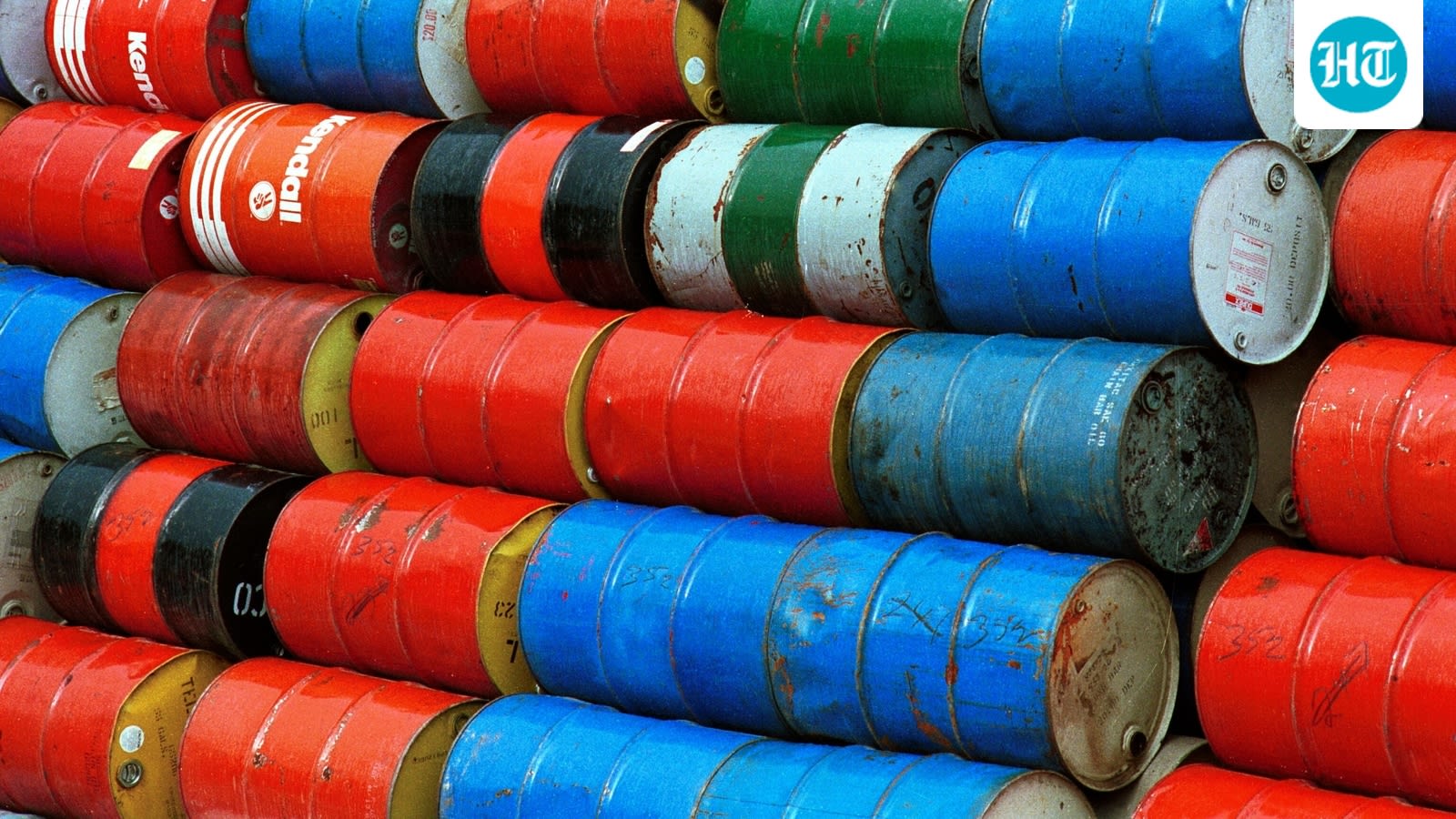
The US and Venezuela have signed a 25-year energy partnership granting the US majority control over significant portions of Venezuelan oil reserves. This deal seeks to revive Venezuela's struggling sector, though it faces scrutiny regarding infrastructure costs and long-term implementation.
A New Era in Hemispheric Energy Dynamics
The recent announcement by U.S. President Donald Trump regarding a 25-year energy partnership with Venezuela marks a significant pivot in Western Hemisphere energy policy. By securing access to what has been described as the "biggest oil deal in world history," the United States is positioning itself to play a central role in the revitalization of Venezuela’s long-dormant oil sector. This agreement, negotiated by Secretary of State Marco Rubio and Defense Secretary Pete Hegseth alongside Venezuelan interim President Delcy Rodriguez, aims to leverage Venezuela's vast untapped potential to alter global energy supply chains.
The Scope of the Agreement
At the core of this pact is the transfer of majority control—55%—of output from new ventures to the United States. With the U.S. gaining access to over 65 billion barrels of crude, the deal targets approximately 20% of Venezuela's total proven oil reserves. While Venezuela holds the world’s largest reserves at roughly 300 billion barrels, the nation currently produces only 1% of the global supply due to years of economic instability and systemic decline. This partnership seeks to reverse that trend by injecting foreign capital and operational expertise into a sector that has been largely sidelined.
Economic Implications and Strategic Intent
President Trump has emphasized that this initiative will be executed by private companies, theoretically shielding the American taxpayer from direct costs. For Venezuela, the promise is one of economic revitalization, with the deal intended to turn dormant oil wealth into tangible tax revenue and infrastructure development. However, the exact mechanisms for funding the massive infrastructure requirements remain opaque, as both parties have yet to clarify who will bear the brunt of the capital expenditure needed to bring these reserves back online.
Geopolitical Shifts and Internal Dissent
This agreement follows the January capture of President Nicolás Maduro, an event that provided the political opening for Washington to assume a directive role over Caracas’s oil assets. While the administration frames this as a mutually beneficial arrangement to uplift the Venezuelan economy, the deal has faced immediate skepticism within Venezuela. Critics raise concerns over sovereignty and the long-term implications of granting a foreign power rights to national resources for a century, questioning whether the promised benefits to the Venezuelan people will materialize.
Future Trends and Unanswered Questions
As this partnership moves toward implementation, the primary challenge remains the operational viability of Venezuela's oil fields, which require significant technological and financial intervention. The lack of transparency regarding infrastructure costs suggests that the road to full production will be complex. Future analysis must focus on how private American entities navigate the logistical hurdles in Venezuela and whether the projected increase in supply will ultimately influence global crude prices or if the primary benefit remains strictly geopolitical dominance over regional energy resources.
Multiple Citing Sources
Verification Required?