Deadly Nepal Floods Expose Threats To Hydropower In Roof Of The World
Source Entity
NDTV News Search Records Found 1000
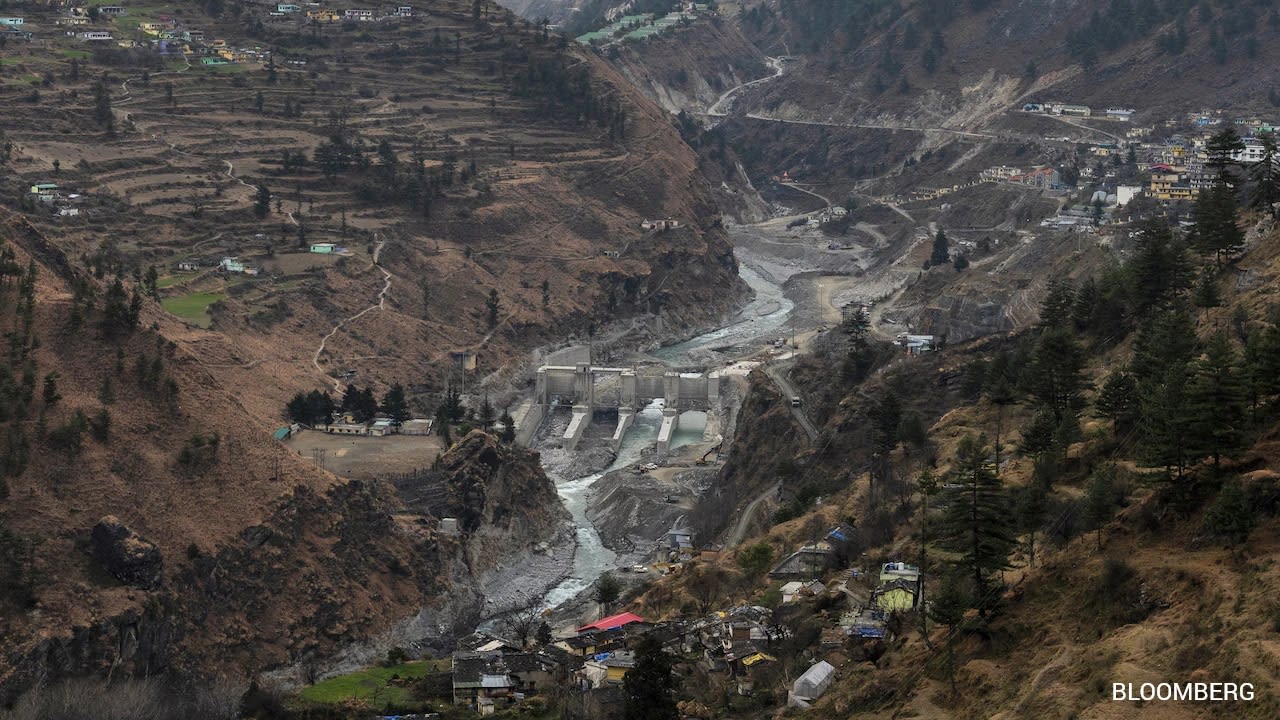
A catastrophic glacial collapse in the Himalayas has claimed nearly 1,000 lives and left thousands missing, severely impacting Nepal's hydropower and tourism sectors. The disaster highlights the extreme vulnerability of infrastructure and local economies in the world's most mountainous region.
The Himalayan Crisis: A Dual Threat to Energy and Tourism
Nepal is currently grappling with the aftermath of a catastrophic disaster that began on August 26, 2026, when a massive glacial collapse in the Himalayas triggered a devastating landslide. With the death toll reaching 987 and nearly 4,250 people still missing, the scale of this tragedy is immense. The incident, which decimated villages along the Nepal-Tibet border, serves as a grim reminder of the volatile nature of high-altitude ecosystems.
The Vulnerability of Hydropower Infrastructure
For years, hydropower dams situated high in the Himalayas have been touted as the definitive solution for the energy-starved regions of South Asia. By tapping into the immense potential of glacial melt and mountain rivers, Nepal has sought to position itself as a regional power exporter. However, this disaster exposes a critical flaw in that strategy: the inherent instability of the terrain. As climate-induced glacial shifts become more frequent, the physical integrity of these dams is under constant threat, forcing a re-evaluation of whether such infrastructure can be considered a reliable long-term energy source.
A Sobering Warning for Mountain Tourism
Beyond the energy sector, Nepal’s vital adventure tourism industry is facing a 'serious warning.' As the country prepares for its peak travel season, the destruction of infrastructure and the loss of life have cast a shadow over the industry. Local mountain tourist associations and hostel owners are now forced to reckon with the reality that the very landscape which draws millions of visitors—the world's highest peaks—is becoming increasingly unpredictable and dangerous.
The Human and Economic Toll
Aerial imagery from the Devighat area in the Nuwakot district depicts the sheer scale of the devastation, with homes buried under layers of sludge and debris. The economic impact on these remote communities, which rely heavily on trekking and mountaineering tourism, will be generational. The loss of life is not only a humanitarian crisis but also a disruption of the local workforce and the logistical networks that sustain mountain tourism.
Future Trends and Resilience
Moving forward, the Nepalese government and international stakeholders must prioritize geological stability assessments over rapid industrial development. The integration of early-warning systems for glacial lake outbursts and landslide monitoring is no longer optional; it is essential for survival. As the region continues to change, the strategy for economic development must shift toward climate-resilient infrastructure that respects the geological volatility of the Himalayas.
Conclusion
The disaster at the Nepal-Tibet border is a wake-up call for the entire Himalayan region. By balancing the need for energy independence with the necessity of protecting the tourism industry and local lives, Nepal must navigate a path forward that acknowledges the extreme environmental risks inherent in its geography.
Verification Required?