At COP31, look beyond the biggest emitters
Source Entity
Chirag Dhara, Shrutee Jalan
Nepal’s Prime Minister Balendra Shah criticized the global disparity between military logistics and climate resilience at the UN. His address highlights how developing nations suffer from climate-induced disasters and broken supply chains exacerbated by international conflicts.
The Great Disconnect: Logistics of War vs. Survival
At the recent United Nations General Assembly, Nepal’s Prime Minister Balendra Shah delivered a poignant critique of the current global order, contrasting the efficiency of the international arms trade with the systemic failures in food security. By noting that rifles and ammunition traverse borders with seamless precision while essential fertilizers fail to reach farmers in time for monsoon planting, Shah underscored a profound moral and operational failure in modern governance. This "flawed logistics" model prioritizes conflict over human sustenance, leaving the most vulnerable populations in the Global South to bear the brunt of crises they did not precipitate.
The Human Cost of Climate Inaction
The urgency of this message is rooted in the tragic reality of the "Himalayan tsunami" that struck Nepal, resulting in nearly 1,500 deaths and leaving thousands missing. This catastrophe serves as a grim indicator of the disproportionate impact climate change has on mountainous regions. While global attention often focuses on the carbon output of major industrial powers, the lived experience of nations like Nepal demonstrates that the climate crisis is already a present-day reality characterized by extreme weather events that outpace domestic coping mechanisms.
Regional Instability and Environmental Stress
Beyond the Himalayas, the broader South Asian region is facing a dual crisis of environmental degradation and geopolitical tension. India’s recent struggle with a weakened summer monsoon—attributed to the Super El Niño phenomenon—has triggered widespread drought conditions, threatening agricultural stability. This environmental stress is compounded by global supply chain disruptions, such as the ongoing tensions involving the US and Iran. When global shipping lanes are compromised or prioritized for military mobilization, the availability of essential agricultural inputs like fertilizer plummets, creating a feedback loop of food insecurity.
The Moral Hazard of Global Policy
Prime Minister Shah’s assertion that developing nations are being "hit by the climate we did not warm and by the wars we did not start" highlights the concept of climate injustice. The international community, while capable of mobilizing vast resources for military objectives, has historically struggled to meet its climate finance pledges. This disparity forces nations in the Global South to navigate a landscape where their developmental goals are constantly undermined by external geopolitical and ecological forces beyond their control.
Toward a New Paradigm of Global Security
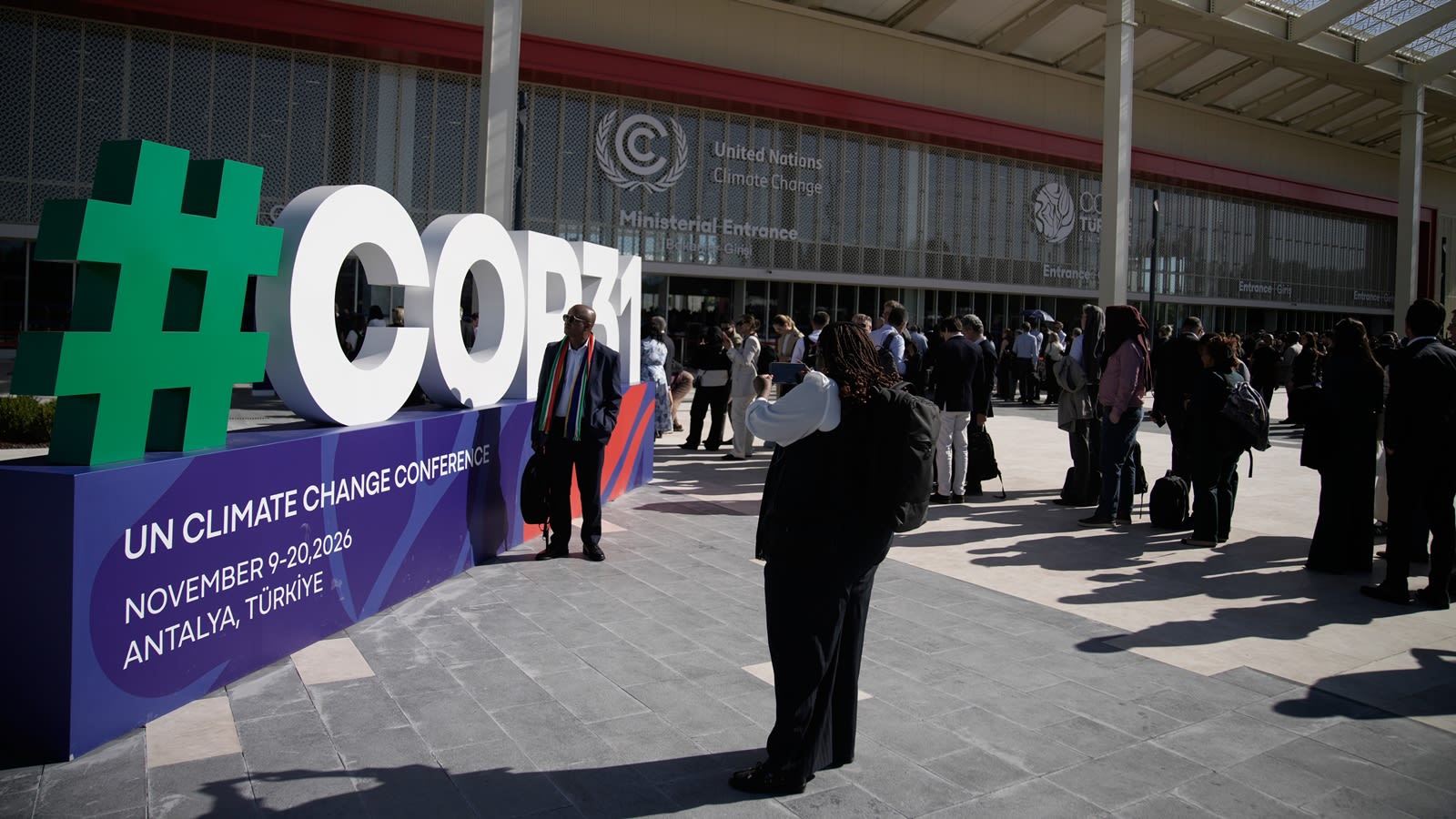
As the international community looks toward future climate summits like COP31, the rhetoric must shift from mere emission targets to an integrated approach to human security. The current dichotomy—where military supply chains are treated as essential infrastructure and food security is treated as an optional secondary concern—is unsustainable. Future global stability will depend on whether world leaders can rectify these broken supply chains and provide the necessary support for climate adaptation in nations that are currently the most vulnerable to systemic shocks.
Conclusion
The stark contrast highlighted by Nepal’s leadership serves as a clarion call for a fundamental restructuring of global priorities. If the world continues to facilitate the rapid movement of weaponry while allowing the infrastructure of life-sustaining agriculture to crumble, the cycle of poverty and climate-induced migration will only intensify. Addressing these issues requires more than diplomatic platitudes; it requires a genuine commitment to building a global logistics framework that treats food security and climate resilience with the same urgency as national defense.