2 Rescued Alive From Hydropower Tunnel 9 Days After Nepal Floods
Source Entity
NDTV News Search Records Found 1000
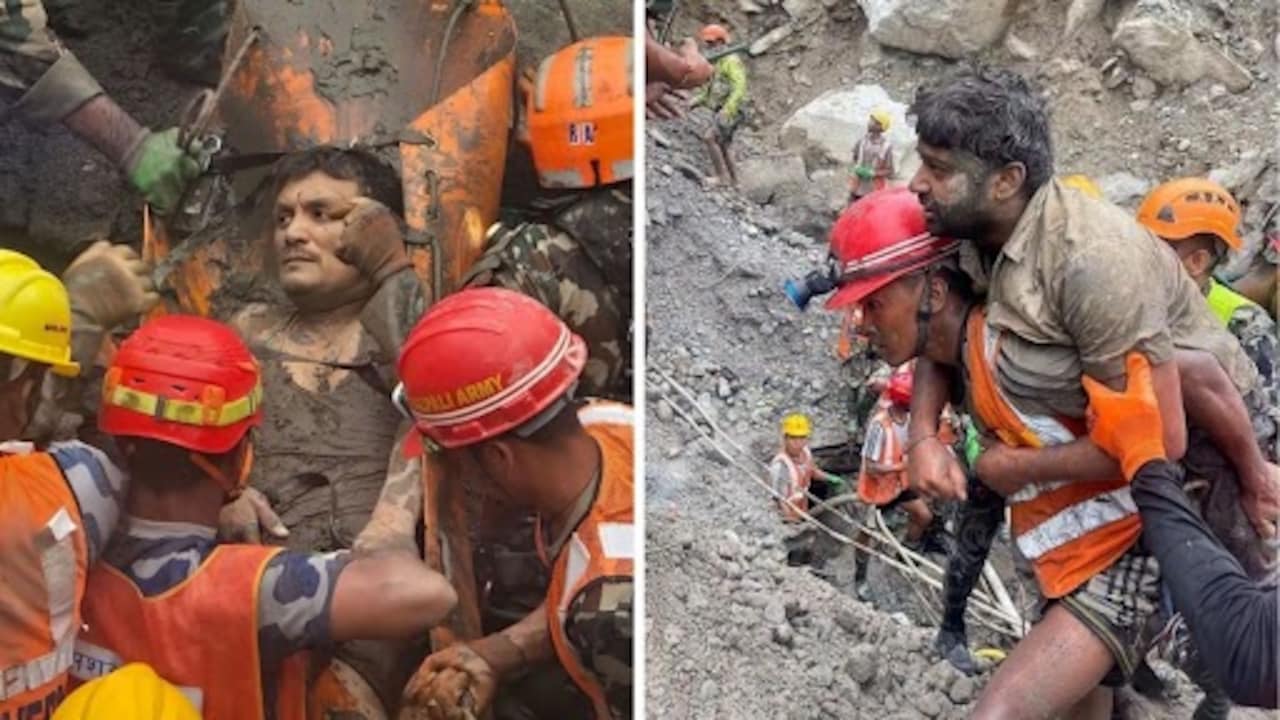
Rescuers in Nepal are continuing search efforts for survivors trapped in tunnels following catastrophic flash floods caused by a Himalayan glacial collapse. With over 1,200 confirmed dead and thousands missing, the situation remains dire as authorities work to locate hundreds still trapped in hydropower infrastructure.
The Himalayan Crisis: Analyzing the Nepal-Tibet Flood Disaster
Eight days after a catastrophic glacial collapse in the Himalayas triggered devastating flash floods along the Nepal-Tibet border, the humanitarian situation remains critical. The disaster has claimed at least 1,252 lives, with over 4,200 individuals still reported missing. The scale of the destruction is profound, as the deluge of floodwater and debris obliterated villages and critical infrastructure along the Trishuli River.
The Struggle for Survival in Hydropower Tunnels
One of the most harrowing aspects of this disaster is the fate of approximately 900 people feared trapped inside six different hydropower plants. These facilities, often built deep into mountainous terrain, became death traps when the sudden surge of water, mud, and silt blocked exit routes. Recent footage of rescuers successfully pulling two individuals from a tunnel provides a rare, albeit small, glimmer of hope, proving that survival is still possible despite the overwhelming odds.
Impact on Foreign Nationals and Pilgrims
Among the missing are hundreds of foreign nationals, including many Indian pilgrims who were traveling toward the Kailash Mansarovar region—a site of deep religious significance. The loss of life spans across borders, complicating identification efforts and international coordination. In Kathmandu, the emergence of a "wall of the missing" serves as a grim monument to the ongoing uncertainty, as families gather to share information and, in some cases, begin symbolic funeral rites for loved ones whose bodies have not been recovered.
Environmental Context: The Glacial Threat
This tragedy underscores the volatile nature of the Himalayan landscape, where climate-induced glacial collapses can unleash sudden, destructive forces on downstream communities. The sudden release of water, combined with heavy debris, transforms river valleys into conduits for massive destruction. This event highlights the urgent need for better early-warning systems and robust infrastructure design in regions prone to high-altitude hydrological disasters.
Looking Ahead: Search and Recovery
As the search operations enter their second week, the focus shifts from immediate rescue to the arduous task of clearing tunnels and identifying the missing. While the successful extraction of survivors serves as a vital morale boost for search teams, the massive disparity between the number of missing persons and those confirmed alive suggests that the final death toll may climb significantly. The international community continues to monitor the situation, as the recovery of the region will likely require long-term humanitarian and economic support.
Multiple Citing Sources
Verification Required?