Netaji’s daughter moves Supreme Court for repatriation of his ashes from Tokyo temple
Source Entity
India Latest News: Top National Headlines Today & Breaking News | The Hindu
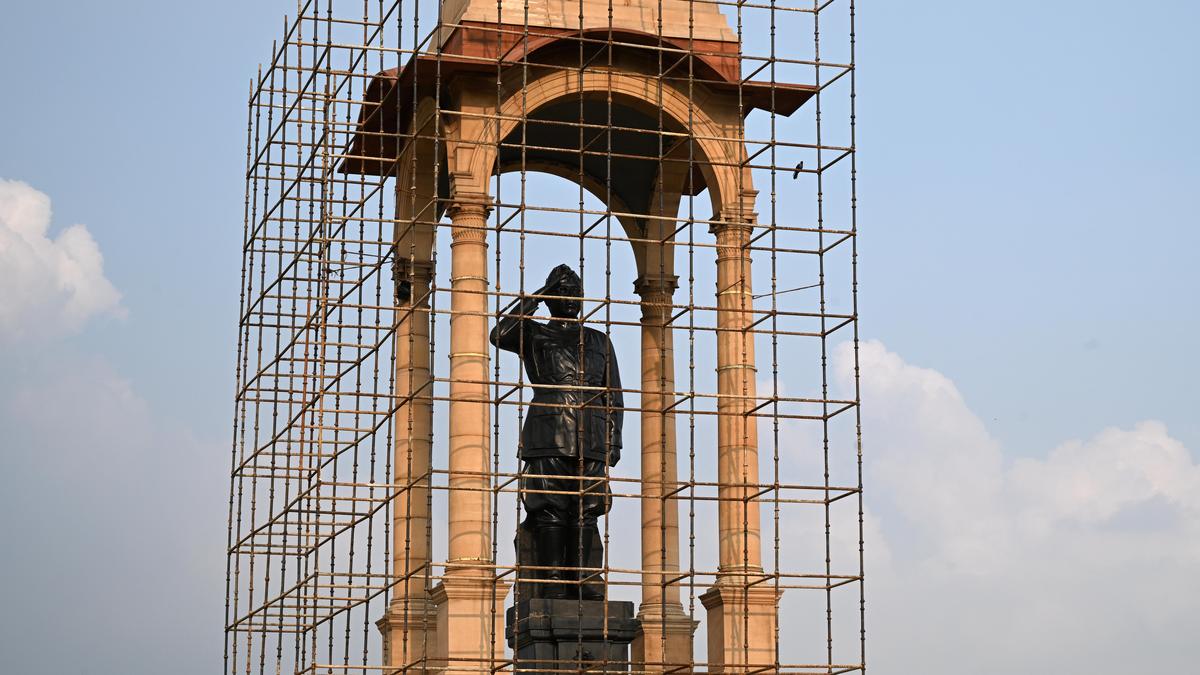
Anita Bose Pfaff has petitioned the Supreme Court of India to repatriate Netaji Subhash Chandra Bose's ashes from Tokyo's Renkō-Ji Temple. The court has issued notices to the Ministries of External Affairs and Home Affairs to address the legal heir's request.
The Quest for Closure: Repatriating Netaji's Remains
Legal Standing and Judicial Intervention
The Supreme Court of India has officially intervened in the long-standing discourse surrounding the final resting place of Netaji Subhash Chandra Bose. By seeking responses from the Union Ministries of External Affairs and Home, the Bench led by Chief Justice of India Surya Kant has elevated the petition filed by Anita Bose Pfaff, Netaji’s daughter, to a matter of formal state consideration. This development marks a significant procedural shift, as the judiciary has previously declined to entertain similar requests from other family members, specifically citing the necessity for the direct involvement of a legal heir.
Historical Context of the 1945 Air Crash
The petition centers on the events of 1945, a year that remains etched in Indian history as the end of the struggle led by the Indian National Army (INA). According to historical records, Netaji is believed to have perished in an air crash in Taihoku, Taipei, while in transit from Singapore following the Japanese surrender to the Allied Powers. His mortal remains were subsequently transported to the Renkō-Ji Temple in Tokyo in September 1945, where they have reportedly been housed ever since. This event serves as the foundational premise for the ongoing debate regarding the true fate of the nationalist leader.
The Shift in Judicial Strategy
The transition from the court's earlier refusal to hear the petition from Ashish Ray, Netaji’s grandnephew, to the current acceptance of Ms. Pfaff’s plea highlights the importance of legal standing in matters of national heritage and personal legacy. By insisting that Ms. Pfaff, as the primary legal descendant, approach the court directly, the judiciary has ensured that any potential government action regarding the remains is grounded in the wishes of the immediate family. This cautious approach reflects the sensitivity of a topic that has sparked decades of public and political debate.
Geopolitical and Diplomatic Implications
The repatriation of these remains is not merely a family matter but a complex diplomatic endeavor involving India and Japan. The Renkō-Ji Temple has served as a site of historical reverence, and any move to relocate the ashes would require careful coordination between the Indian Ministry of External Affairs and the Japanese authorities. The government's forthcoming response will likely address the feasibility of such an operation and the potential impact on bilateral relations, as well as the broader implications for Indian national identity.
Future Trends and National Sentiment
As the Supreme Court moves forward with this case, the discourse will likely touch upon the need for definitive closure for the Indian public. For generations, the mystery surrounding Netaji’s final days has been a subject of intense speculation and inquiry. Should the court facilitate the repatriation, it would represent a landmark moment in acknowledging the historical narrative of the freedom struggle. The outcome of this legal process will be instrumental in shaping how the nation honors its past, potentially setting a precedent for the handling of historical figures' remains in the future.
Verification Required?