Israel PM Netanyahu plans quick 24-hour trip to New York as mayor Zohran Mamdani calls for his arrest
Source Entity
Latest News: Todays Latest News Headlines from India & World | Hindustan Times | Hindustan Times
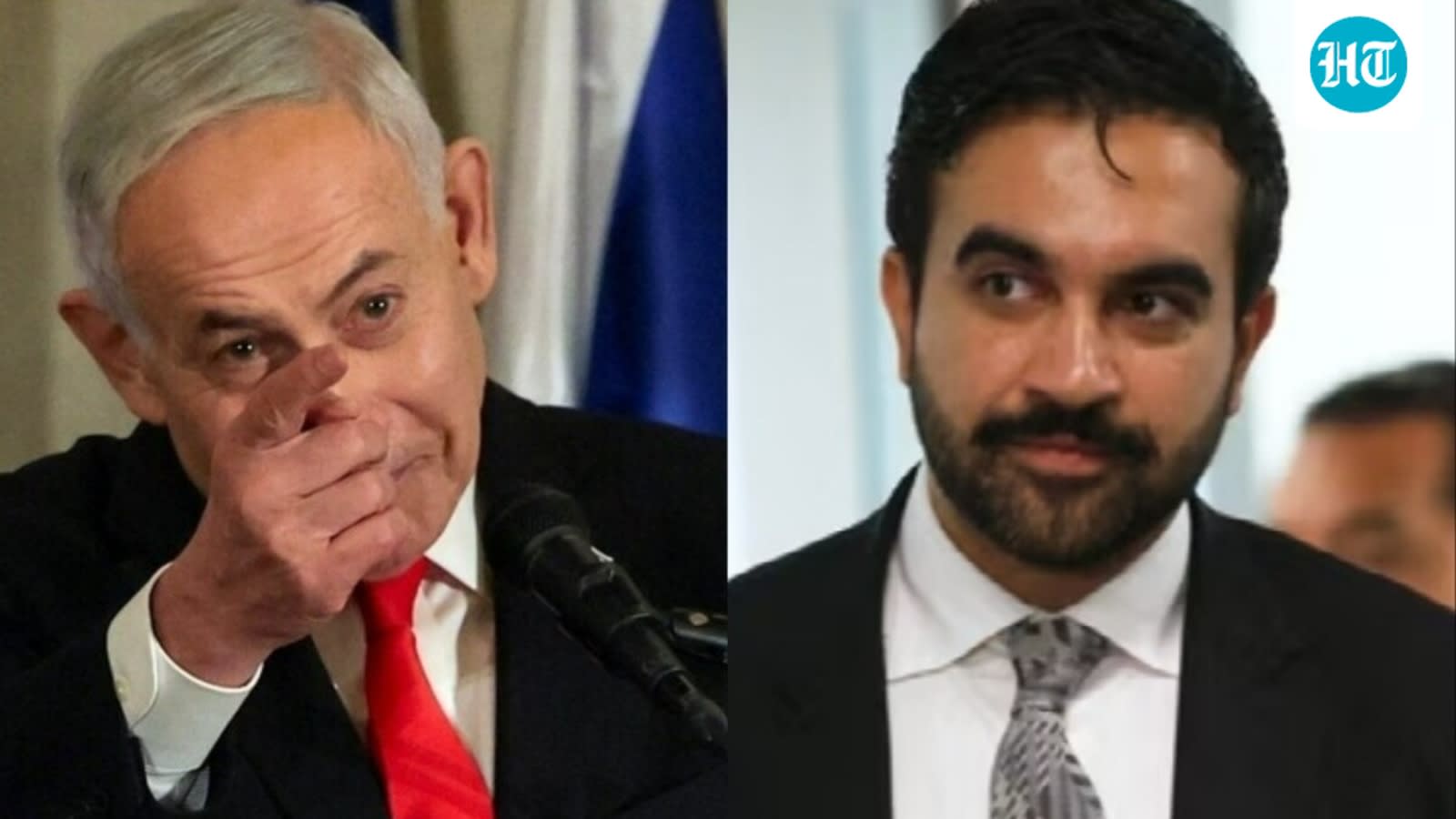
Israeli Prime Minister Benjamin Netanyahu plans to visit New York for the UN General Assembly despite calls for his arrest by New York politician Zohran Mamdani. The controversy stems from an ICC warrant regarding alleged war crimes in Gaza, highlighting ongoing international legal and political tensions.
Diplomatic Tensions Surface Ahead of UNGA Visit
Israeli Prime Minister Benjamin Netanyahu is scheduled to travel to New York on September 23 to address the United Nations General Assembly. This high-profile visit comes at a time of significant international scrutiny, as Netanyahu faces an arrest warrant issued by the International Criminal Court (ICC) concerning allegations of war crimes in Gaza. The visit, characterized as a brief 24-hour trip, serves as a focal point for the deepening divide between international judicial bodies and the diplomatic protections typically afforded to heads of state.
The Call for Arrest and Legal Realities
The visit has been met with immediate political friction, most notably from New York politician Zohran Mamdani, who has explicitly called for the arrest of the Prime Minister. Mamdani’s stance is rooted in the ICC’s warrant, labeling Netanyahu a "war criminal." However, the legal feasibility of such a demand remains complex. Neither the United States nor Israel are signatories to the Rome Statute that established the ICC, and local New York authorities lack the legal jurisdiction to execute international arrest warrants, creating a gap between political rhetoric and practical enforcement.
Political Posturing and Diplomatic Fallout
Israel’s UN envoy, Danny Danon, has dismissed the calls for arrest as "doing politics," suggesting that the move is part of a trend toward using international legal mechanisms for domestic political signaling. This exchange underscores the broader struggle within international diplomacy, where the legitimacy of the ICC is being tested against the traditional sovereignty and diplomatic immunity granted to world leaders. The rhetoric surrounding this visit highlights how local political figures are increasingly engaging with global conflicts to influence public opinion.
Broader Implications for International Law
The situation reflects a wider trend where international legal institutions are increasingly viewed as battlegrounds for geopolitical disputes. By attempting to leverage an ICC warrant—even in a jurisdiction where it cannot be enforced—critics like Mamdani are seeking to exert moral and political pressure on the Israeli leadership. This creates a volatile environment for diplomats and security details tasked with managing the logistics of the UNGA, as the presence of a leader facing such severe allegations complicates standard security protocols.
Future Trends in Global Diplomacy
Looking forward, this event serves as a bellwether for how world leaders accused of war crimes will navigate international forums in the future. If calls for arrest continue to follow high-ranking officials regardless of their country's membership in the ICC, we may see a shift in how international summits are organized. The tension between the necessity of global dialogue at the UN and the growing influence of international human rights litigation suggests that future diplomatic visits will likely be accompanied by increased legal challenges and political protests, further complicating the landscape of international relations.
Verification Required?