New Zealand Poll Explained: Special Votes, Coalition Talks And What's Next
Source Entity
NDTV News Search Records Found 1000
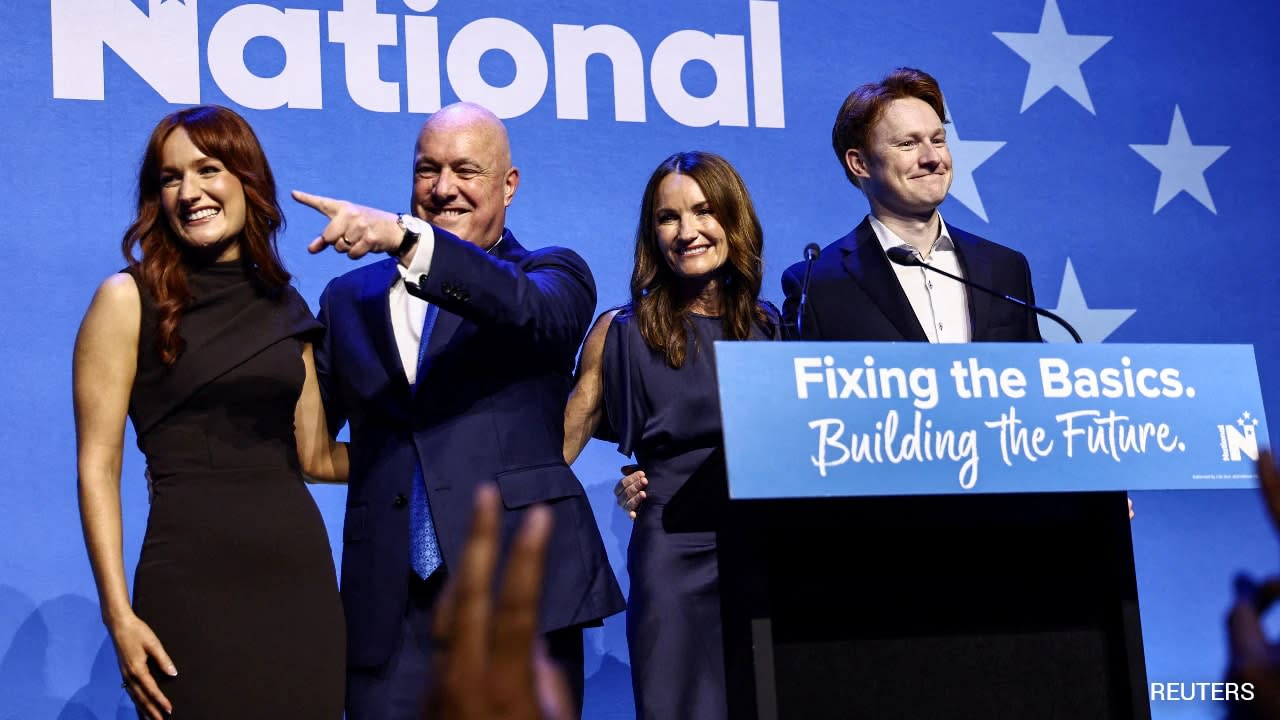
Following the recent New Zealand election, Christopher Luxon and the National Party are navigating the complexities of special vote counts. The focus now shifts toward forming a stable coalition government to address the country's political future.
The Path to Power: Navigating New Zealand's Post-Election Landscape
Following the recent New Zealand general election, the political landscape is currently defined by the transition from campaign rhetoric to the intricate process of government formation. Christopher Luxon, leader of the National Party, has emerged as the central figure in these proceedings. Having celebrated with his family at an election party in Auckland, Luxon now faces the practical challenges of securing a parliamentary majority in a system that often necessitates multi-party cooperation.
The Significance of Special Votes
In the New Zealand electoral system, the final outcome is not determined on election night alone. The inclusion of 'special votes'—which encompass ballots cast by citizens overseas, those voting outside their home electorates, and late registrations—adds a layer of procedural complexity. These votes are processed after the initial count, and their final tally can marginally shift the seat distribution in Parliament, potentially influencing the leverage held by smaller parties during coalition negotiations.
Coalition Dynamics and Strategic Alliances
Christopher Luxon’s journey to the premiership is contingent upon his ability to build a cohesive coalition. The New Zealand parliamentary system rarely produces absolute majorities for a single party, forcing leaders to engage in detailed policy bargaining. For the National Party, this means finding common ground with potential partners to ensure a stable legislative agenda. The negotiation phase is critical, as it sets the tone for the governing mandate and determines the distribution of ministerial portfolios.
Broader Implications for Governance
The outcome of these talks carries significant implications for New Zealand’s economic and social policy. As the nation grapples with post-pandemic recovery and inflationary pressures, the incoming government will be expected to provide clear direction. The stability of the coalition formed by Luxon will dictate how effectively the National Party can implement its platform, ranging from tax adjustments to public service reforms.
Historical Context and Future Trends
Historically, New Zealand’s MMP (Mixed Member Proportional) system has fostered a culture of consensus-based politics. While this can sometimes lead to protracted negotiations, it also ensures that a broader spectrum of voter intent is represented in the executive branch. Looking ahead, the ability of the National Party to navigate these coalition talks will serve as a bellwether for the country's political stability over the next three-year term.
Conclusion: The Road Ahead
As the final vote tallies are confirmed and coalition agreements are finalized, the focus will shift toward the formal appointment of a new government. For Christopher Luxon, the transition from an election-night celebration to the rigors of leadership is the first step in addressing the mandates set forth by the electorate. The coming weeks will be decisive in shaping the policy trajectory of New Zealand under the leadership of the National Party.
Verification Required?