War On Iran Is "Effectively Over", Says Trump After Meeting With Qatari PM
Source Entity
NDTV News Search Records Found 1000
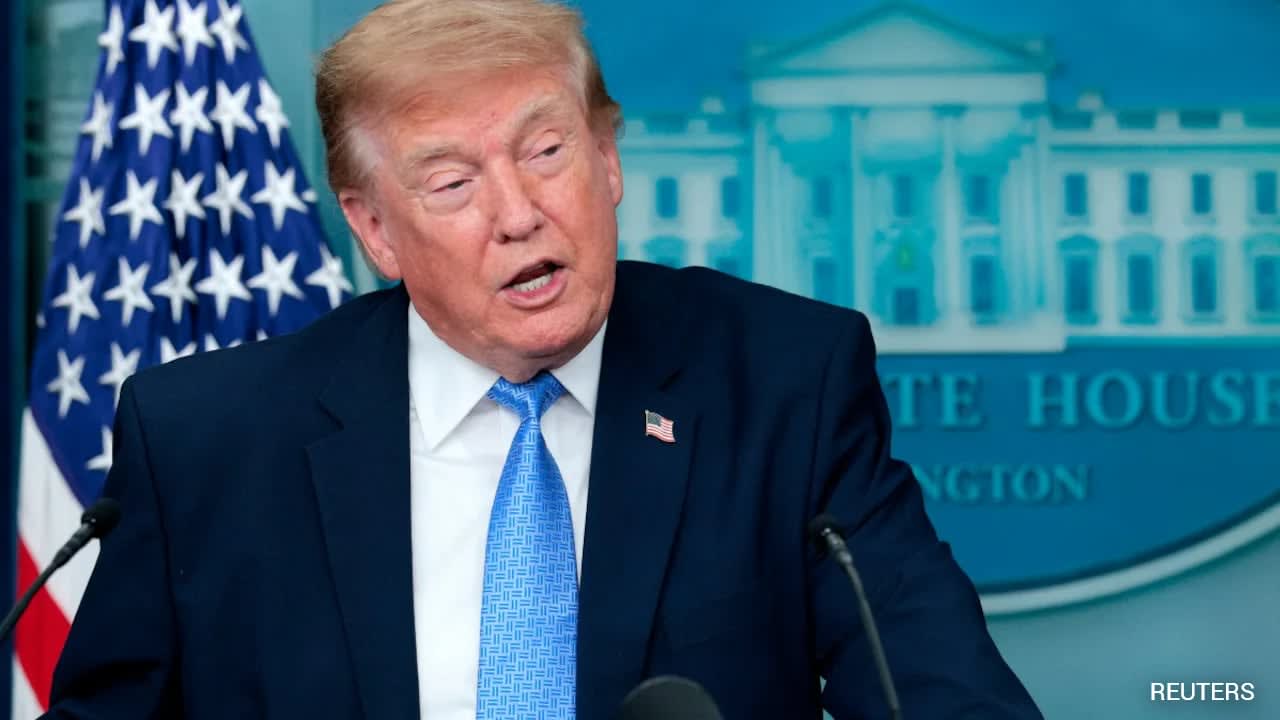
Qatar is actively mediating between the United States and Iran to de-escalate the ongoing conflict. While a potential nuclear framework is being discussed, significant hurdles remain, and President Trump maintains that military action remains an option.
The Fragile Path to De-escalation: Qatar’s Mediation Efforts
The ongoing conflict between the United States and Iran has reached a critical juncture, with Qatar emerging as the primary diplomatic bridge between Washington and Tehran. As President Donald Trump faces mounting domestic pressure to resolve the situation, Qatar—alongside support from Saudi Arabia—is working to facilitate a breakthrough. This mediation effort highlights the precarious balance of power in the Middle East, where diplomatic overtures are currently running parallel to the threat of renewed military engagement.
Core Demands and Sticking Points
At the heart of the current negotiations are two divergent sets of strategic objectives. The United States is primarily focused on curbing Iran’s nuclear capabilities and ensuring the security of the Strait of Hormuz, a vital artery for global energy markets. Conversely, Tehran insists that any lasting agreement must include the comprehensive lifting of economic sanctions and formal recognition of its regional strategic interests. These opposing requirements have created a significant deadlock that current diplomatic proposals have yet to fully bridge.
The Role of Mediators and Regional Stakeholders
Qatar’s role as the principal broker is significant, as it recently presented a new Iranian proposal regarding its nuclear program to the U.S. administration. This development, discussed during a meeting between President Trump and Qatar’s Prime Minister Sheikh Mohammed bin Abdulrahman bin Jassim Al Thani, underscores the desire of regional neighbors like Saudi Arabia for a peaceful resolution. By acting as a go-between, Doha is attempting to prevent a wider regional conflagration that would jeopardize the economic stability of the Gulf region.
The Dual-Track Strategy: Diplomacy and Deterrence
Despite the push for a peaceful settlement, the U.S. government continues to employ a policy of 'calculated ambiguity.' President Trump has explicitly stated that while he prefers a peaceful outcome, the United States remains 'ready to go' regarding potential military strikes. This dual-track approach is designed to maintain leverage at the negotiating table, ensuring that Tehran understands the costs of refusing to make substantive concessions on its nuclear and regional policies.
Internal Pressures and Future Implications
Both the U.S. and Iran are navigating complex internal political landscapes that limit their flexibility. In Washington, the administration must balance calls for assertive action against the risks of a prolonged conflict, while in Tehran, the leadership is wary of appearing to surrender its hard-won strategic leverage. The success of the current Qatari-led initiative will depend on whether these internal constraints can be managed sufficiently to allow for a compromise that addresses the security concerns of the U.S. without forcing Iran to abandon its core national objectives.
Conclusion
The situation remains highly volatile. While the circulation of draft agreements provides a glimmer of hope for a diplomatic off-ramp, the persistent threat of military escalation serves as a constant reminder of the fragility of these talks. Moving forward, the effectiveness of the Qatari mediation will be tested by the willingness of both Washington and Tehran to move beyond their entrenched positions and engage in the substantive compromises necessary for regional stability.
Verification Required?