New Zealand reports first case of deadly H5N1 bird flu virus in sea bird
Source Entity
Latest News: Today's Latest News Headlines from India & World | Hindustan Times | Hindustan Times
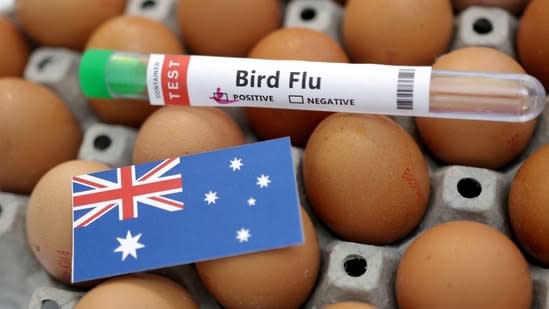
New Zealand has detected its first case of the deadly H5N1 avian influenza virus in a sea bird, triggering the activation of biosecurity and resilience plans in coordination with the national poultry industry.
New Zealand's Biosecurity Breach: The Arrival of H5N1
New Zealand has officially reported its first case of the highly pathogenic H5N1 avian influenza virus, detected in a sea bird. This discovery marks a critical turning point for the island nation, which has long relied on its geographic isolation to maintain a rigorous biosecurity shield against devastating animal diseases. The presence of the virus in a wild sea bird indicates that the pathogen has successfully breached the country's borders, likely via migratory patterns, placing the nation's unique biodiversity and agricultural economy under immediate threat.
Understanding the H5N1 Threat
H5N1 is a highly aggressive strain of avian influenza that has caused massive die-offs in wild bird populations and poultry flocks globally over the last several years. While primarily an avian disease, its high mortality rate and potential for mutation make it a significant public health concern. The detection in a sea bird is particularly alarming because these animals act as vectors, potentially spreading the virus across coastlines and into inland ecosystems. The biological volatility of H5N1 means that once it enters a wild population, containment becomes exponentially more difficult, requiring intensive surveillance and rapid response protocols.
Implications for New Zealand's Unique Biodiversity
New Zealand is world-renowned for its endemic bird species, many of which are endangered or have highly specialized ecological niches. The introduction of H5N1 poses an existential threat to these populations. Unlike commercial poultry, which can be quarantined, wild sea birds move freely, meaning the virus could quickly spread to other shorebirds and terrestrial species. The ecological ripple effect of a mass avian die-off could disrupt pollination, seed dispersal, and the overall balance of the New Zealand wilderness, making the current detection a biological emergency for conservationists.
Safeguarding the Poultry Industry
Beyond the ecological impact, the economic stakes are immense. The New Zealand government has already begun collaborating with the poultry industry to implement stringent biosecurity and resilience plans. In the event of an outbreak in commercial flocks, the standard procedure often involves the culling of millions of birds to prevent further spread, which would lead to severe supply chain disruptions and price hikes for consumers. The current focus on 'resilience plans' suggests a strategic move to harden farm infrastructure, limit bird movement, and establish clear communication channels between farmers and veterinary authorities to ensure a rapid response to any suspected case.
Global Context and Migratory Patterns
This event is not an isolated incident but part of a broader, alarming global trend. H5N1 has been aggressively expanding its reach across the Americas, Europe, and Asia, jumping across species barriers and affecting mammals in several regions. The arrival in New Zealand confirms that no region is truly isolated from the global movement of pathogens. Migratory sea birds, which travel thousands of miles, serve as the primary transport mechanism for the virus, highlighting the necessity for international cooperation in disease monitoring and the sharing of genomic data to track the virus's evolution.
Future Outlook and Strategic Response
Moving forward, New Zealand will likely increase its surveillance of wild bird populations and implement more rigorous testing at ports of entry. The success of the nation's response will depend on the agility of the biosecurity framework and the willingness of the agricultural sector to adhere to strict containment measures. If managed effectively, New Zealand may prevent a full-scale epidemic; however, the presence of the virus in the wild means the country must now operate under a permanent state of heightened vigilance to protect both its natural heritage and its food security.
Summary
The detection of H5N1 in a New Zealand sea bird is a wake-up call regarding the fragility of island biosecurity. By integrating wildlife monitoring with poultry industry resilience, New Zealand aims to mitigate a potential catastrophe. The situation underscores the global nature of avian influenza and the urgent need for proactive, science-led interventions to protect biodiversity and economic stability.
Verification Required?