Nicaragua’s president says country will not hold any more elections
Source Entity
Tiago Rogero South America correspondent
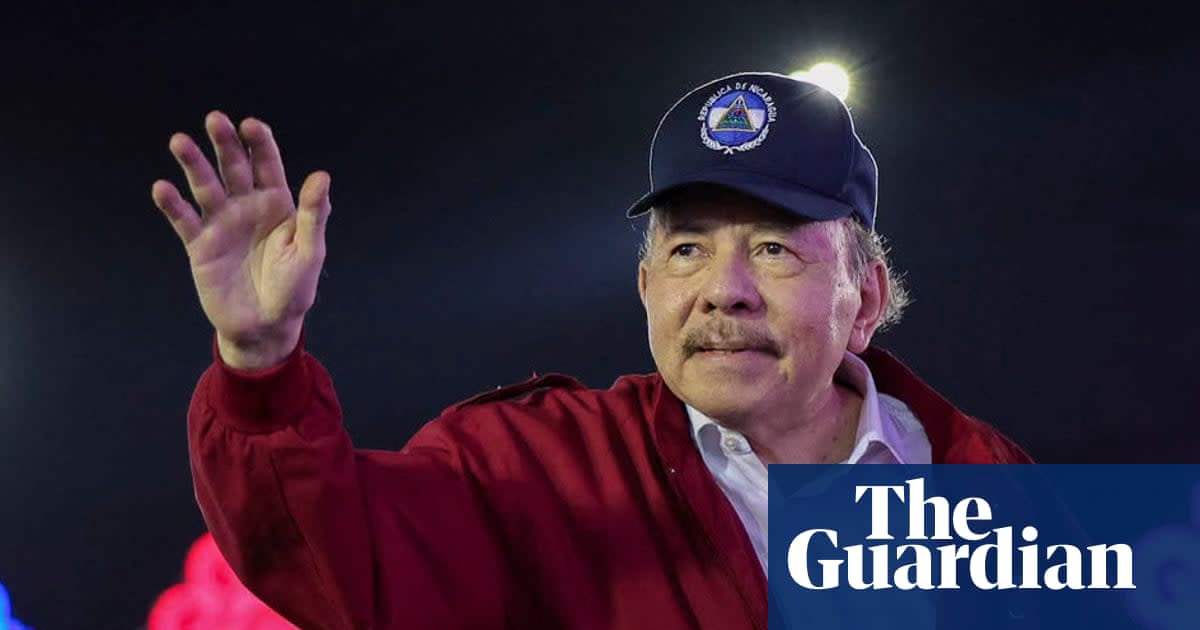
Nicaraguan President Daniel Ortega has declared an end to future elections to prevent opposition influence. This move marks a definitive shift toward total authoritarianism, following years of democratic decline under his administration.
The End of Democratic Pretense in Nicaragua
Nicaraguan President Daniel Ortega has made a definitive break from democratic norms, publicly declaring that the country will no longer conduct elections. Speaking during the 47th anniversary of the 1979 Sandinista revolution—the very movement that brought him to power by overthrowing the Somoza dictatorship—Ortega explicitly stated that the cessation of electoral processes is intended to prevent the opposition from ever securing power. This announcement serves as the culmination of a long-term strategy to consolidate absolute control over the state.
Historical Context and the Erosion of Democratic Institutions
The trajectory of Ortega’s rule, particularly since his return to the presidency in 2007, has been defined by the systematic dismantling of checks and balances. The 2021 general election, which saw Ortega secure another term, was widely condemned by the international community as illegitimate and heavily disputed. By moving to eliminate elections entirely, Ortega is essentially codifying the de facto authoritarianism that has characterized his and his wife, 'co-president' Rosario Murillo’s, governance for years.
Legislative Maneuvering as a Tool for Control
Ortega’s stated plan to work with a congress he already controls to pass laws that would “build a wall” against the opposition suggests a transition into a formal, legalistic autocracy. By using the legislative branch as a rubber stamp, the administration aims to insulate itself from any future electoral challenges. This legislative strategy is designed to institutionalize the exclusion of political rivals, effectively criminalizing dissent and ensuring that the ruling Sandinista party maintains an unchallenged grip on government functions.
The Rhetorical Shift and Global Implications
While the democratic backsliding in Nicaragua has been evident for years, observers note that this announcement represents a significant rhetorical escalation. By openly rejecting the necessity of elections, Ortega has abandoned even the performative aspects of democratic legitimacy. This move signals a profound shift that will likely lead to increased diplomatic isolation and could prompt further international sanctions as the global community grapples with the permanent loss of electoral accountability in the nation.
Future Trends and Political Consolidation
Looking ahead, it is highly probable that Nicaragua will move toward a model of governance that relies exclusively on party loyalty and state apparatus control rather than popular mandate. As the administration seeks to cement its legacy, the lack of an electoral exit ramp for political grievances suggests a period of heightened domestic stability maintained through suppression. Without the pressure of public opinion or the threat of electoral defeat, the Ortega-Murillo administration is positioned to further centralize power, leaving little room for civil society or political opposition in the country’s future.