Nipple tattooist 'frustrated' by online censorship
Source Entity
Hacker News
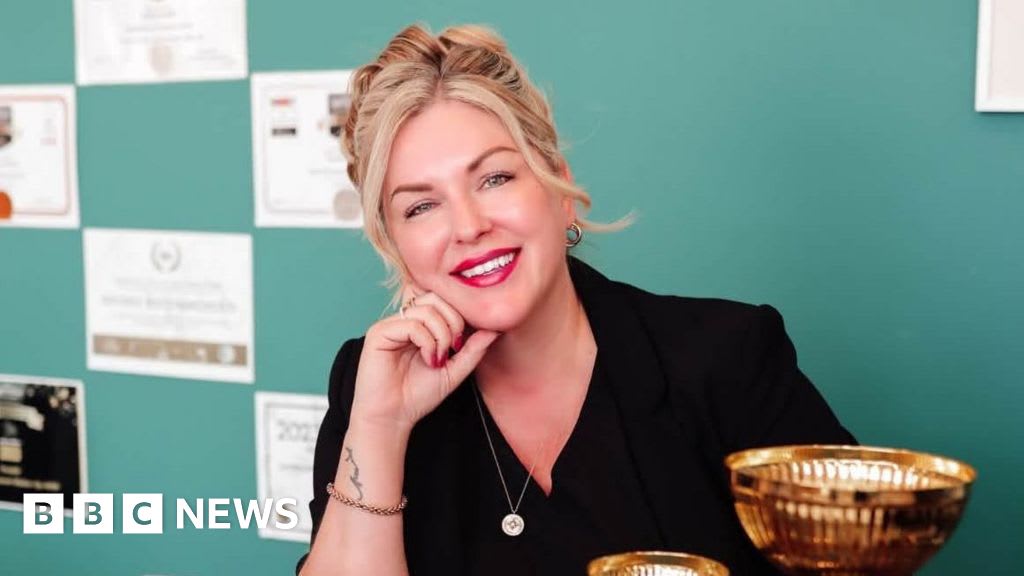
Nipple tattoo artists are facing ongoing challenges with social media censorship policies that frequently flag their medical-related work. Platform moderators are now encouraging creators to utilize appeal processes as they refine algorithms to better distinguish between artistic content and medical procedures.
The Intersection of Medical Art and Digital Censorship
In recent years, the rise of restorative tattooing—specifically nipple and areola tattooing for breast cancer survivors—has become a vital component of post-mastectomy recovery. These procedures, which restore a sense of normalcy and body confidence to patients, often rely on social media platforms for visibility and patient outreach. However, tattooists specializing in this craft are increasingly finding their work caught in the crosshairs of automated content moderation systems that struggle to differentiate between medical restoration and prohibited imagery.
The Algorithmic Challenge
The frustration expressed by these professionals stems from the rigid nature of automated moderation tools. Most social media platforms employ AI-driven systems designed to flag nudity or sexualized content to maintain safety standards. Unfortunately, these algorithms often lack the nuance to recognize the medical context of areola tattooing, leading to the removal of portfolios and the suspension of accounts that provide essential information to survivors looking for reconstructive options.
Platform Responses and Policy Refinement
In response to these concerns, platform representatives have acknowledged the friction caused by these policies. By stating, "We understand how frustrating that can be, which is why we allow users to appeal these decisions," the companies are signaling a shift toward a more nuanced approach. The objective is to improve the identification of medical and health-related content, ensuring that practitioners can share their work without fear of being erroneously banned for violating community standards.
The Importance of the Appeal Process
The existence of an appeal mechanism is a crucial, albeit reactive, solution to a systemic problem. For tattooists, the burden of proof often falls on the creator, who must navigate bureaucratic channels to reinstate their content. While the platform's commitment to "improving how we identify and protect" such content is a positive step, the current process remains a source of professional disruption for those whose work is inherently tied to patient health outcomes.
Future Trends in Digital Moderation
Looking ahead, the evolution of moderation technology is essential for the growth of specialized healthcare niches on social media. As AI systems become more sophisticated, there is a clear trend toward integrating human-in-the-loop review processes for flagged health content. This will likely reduce the frequency of false positives, provided that the platforms prioritize the training of their models on medical-grade imagery to prevent the suppression of legitimate reconstructive art.
Conclusion
Ultimately, the friction between nipple tattooists and platform moderators highlights a broader tension between digital safety and the visibility of niche medical practices. While current policies remain imperfect, the ongoing dialogue between creators and platform administrators is a necessary step toward creating a digital environment that respects both community safety guidelines and the essential, restorative nature of reconstructive tattooing.