Nirmala Sitharaman's remarks on paper leaks sparks row, Opposition, CJP criticise her
Source Entity
Latest News: Todays Latest News Headlines from India & World | Hindustan Times | Hindustan Times
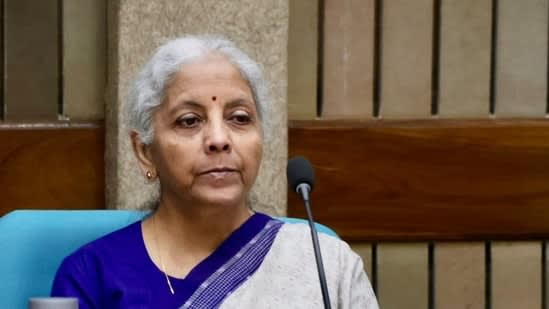
Union Finance Minister Nirmala Sitharaman faces backlash for suggesting some students benefited from the extra time provided by exam paper leaks. Opposition leaders and critics have labeled the remarks as insensitive to the struggles of students affected by the NEET controversy.
The Controversy Surrounding Exam Integrity
Union Finance Minister Nirmala Sitharaman has ignited a significant political firestorm following her recent comments regarding the NEET and broader examination paper leak controversies. During an interview with the news agency ANI, Sitharaman addressed the issue of exam disruptions by suggesting that while the initial leak caused distress to hardworking students, the subsequent delay allowed some candidates to utilize the extra time to refine their preparation. This perspective has drawn immediate and sharp condemnation from political opponents, who argue that the framing minimizes the profound psychological and financial toll on the student community.
The Opposition's Critique of Insensitivity
The primary point of contention lies in the perceived tone-deafness of the Minister’s remarks. Leaders from the Congress party, including Supriya Shrinate, have publicly criticized the Minister, characterizing her comments as profoundly insensitive to the millions of students whose academic and career trajectories were stalled by systemic failures in exam administration. Critics argue that focusing on the 'advantage' gained by some students ignores the structural inequality and the systemic breach of trust inherent in a compromised examination process.
Government Defense and Regulatory Action
In her defense, Minister Sitharaman emphasized that the government has not remained idle in the face of these challenges. She highlighted that the administration has actively pursued those involved in the leaking and illicit trading of exam papers, ensuring that arrests were made and legal consequences were initiated. By pointing to the timely declaration of results and the successful execution of re-examinations, the Finance Minister sought to frame the government's response as a decisive effort to restore order and fairness to the competitive landscape.
Broader Implications for Competitive Exams
This incident highlights a growing tension between government narratives of administrative 'efficiency' and the lived reality of Indian students. In a hyper-competitive educational environment, any disruption to the examination cycle—whether through leaks or subsequent re-tests—creates a cascade of anxiety. The discourse around 'taking advantage' of extra time touches upon a sensitive nerve regarding meritocracy; the debate now centers on whether systemic failures can ever be viewed through a lens of 'opportunity' or if they represent an unacceptable breakdown of national standards.
Historical Context and Future Trends
The recurring nature of paper leaks in high-stakes examinations like NEET points to a deep-seated vulnerability in the current testing infrastructure. As the government continues to defend its record through rapid re-testing and legal crackdowns, the political cost of these controversies appears to be rising. Future trends suggest that the integration of more robust, technology-driven anti-cheating measures will become a central pillar of electoral discourse, as political parties increasingly leverage the frustration of the youth demographic to challenge the government's management of public institutions.
Conclusion
Ultimately, the controversy surrounding Nirmala Sitharaman’s remarks reflects a widening chasm between government policy defense and the emotional frustration of the student electorate. While the Minister advocates for a narrative of resilience and recovery, the Opposition continues to demand accountability for the systemic failures that necessitate such 'recovery' in the first place. This episode serves as a critical case study in how government officials must balance the defense of administrative actions with the empathy required to address the genuine grievances of the citizenry.
Multiple Citing Sources
Verification Required?