In Nithya Raman’s rise in LA, Kerala’s quiet pride: ‘A mayor who can follow Malayalam’
Source Entity
Shaju Philip
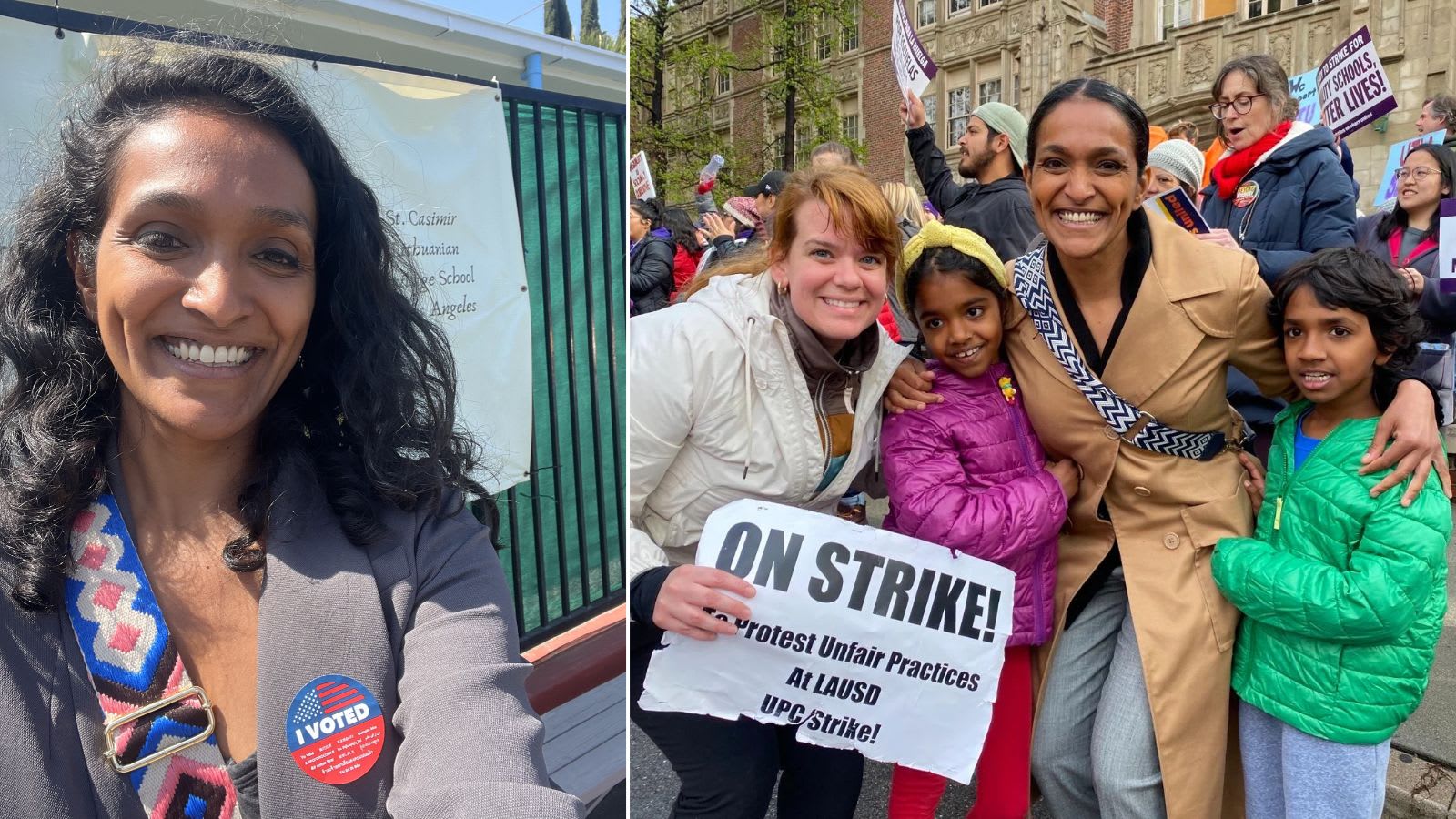
Indian-origin City Councilwoman Nithya Raman has secured a historic electoral victory, defeating incumbent Karen Bass to become the mayor of Los Angeles. Her win marks a significant milestone for South Asian representation in major US city governance.
A Historic Shift in Los Angeles Leadership
The election of Nithya Raman as the mayor of Los Angeles represents a watershed moment in American municipal politics. By defeating the incumbent Karen Bass, Raman, a 45-year-old Indian-American City Councilwoman, has ascended to the leadership of the second-most populous city in the United States. This victory is not merely a personal achievement but a symbolic milestone, as she becomes the first mayor of South Asian descent to lead the city, reflecting the growing influence of the Indian diaspora in Western political spheres.
From Grassroots Activism to City Hall
Raman’s political trajectory is deeply rooted in a history of grassroots activism that spans two continents. Born in Thrissur, Kerala, in 1981, her formative experiences included working with NGOs in India to advocate for the rights of slum dwellers, specifically leading movements against evictions ahead of the 2010 Commonwealth Games. This background in social advocacy provided the foundation for her entry into Los Angeles politics, where she was first elected to the City Council in 2020. Her transition from a community organizer in India to the mayor of a global metropolis underscores a consistent commitment to urban policy and the challenges of marginalized populations.
A Generational and Policy-Driven Contest
The mayoral race against Karen Bass evolved into a high-stakes ideological battle that resonated across Los Angeles. Although both candidates belong to the Democratic party, their platforms offered distinct approaches to the city’s most pressing issues: public safety, affordable housing, and the ongoing homelessness crisis. Raman’s campaign, which gained momentum despite Bass receiving the backing of the established political apparatus—including the Los Angeles County Federation of Labor—highlighted a desire for alternative governance strategies among the electorate.
The Mechanics of the Victory
As election results trickled in, the race remained competitive, with Raman securing 51.67% of the counted votes compared to Bass's 48.33%. The atmosphere surrounding the campaign was marked by a blend of high-stakes tension and cautious optimism. Raman’s ability to mobilize voters and maintain a lead in a city as complex as Los Angeles demonstrates a significant shift in local voter sentiment, prioritizing her specific policy prescriptions over traditional political endorsements.
Global Implications and Diaspora Pride
The victory has resonated far beyond the borders of California, particularly in her home state of Kerala, India. The narrative of a child who lived in Thiruvananthapuram and Thrissur reaching the pinnacle of American local government has sparked a sense of pride in the Indian diaspora. This connection serves as a bridge between the political realities of India and the US, illustrating how global experiences influence local leadership styles.
Future Trends and Governance
Looking ahead, Raman’s administration will be closely watched for how she translates her activist background into executive action. The challenges she faces—housing affordability and public safety—are universal urban dilemmas. Her success could potentially serve as a blueprint for other progressive, grassroots-oriented candidates seeking to challenge incumbent power structures in major metropolitan areas. As she assumes office, the focus will shift from the campaign trail to the practical implementation of her vision for Los Angeles.