Hearing on Gadkari's suit against deepfake posts deferred to August 5
Source Entity
India Latest News: Top National Headlines Today & Breaking News | The Hindu
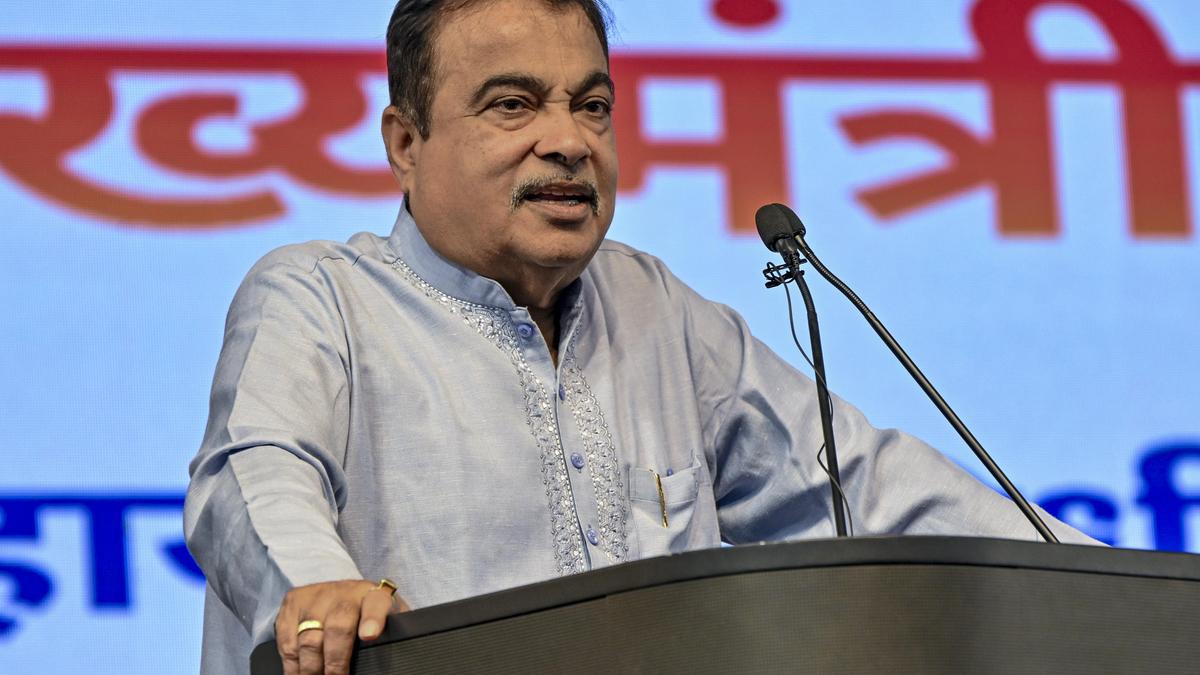
Union Minister Nitin Gadkari has filed a defamation suit in the Bombay High Court against Meta, X, and Google over AI-generated deepfakes. The content falsely links him to the Ethanol Blending Programme, prompting a demand for damages and immediate takedowns.
Legal Battle Over AI-Generated Defamation
Union Minister Nitin Gadkari has initiated significant legal action in the Bombay High Court, filing a civil suit against major technology platforms including Meta, X Corp, and Google LLC. The suit centers on the proliferation of AI-generated deepfake content that has allegedly caused irreparable harm to his reputation and personality rights. By seeking a permanent injunction against the circulation of these fabricated videos, Gadkari is challenging the accountability of social media giants in the age of generative AI.
The Ethanol Blending Controversy
The core of the dispute involves viral deepfakes that falsely associate the Minister and his family with financial gains linked to the Centre’s Ethanol Blending Programme (EBP). Interestingly, the legal filing clarifies that the EBP, a national policy introduced in 2003, actually falls under the jurisdiction of a different ministry. This discrepancy highlights how sophisticated disinformation campaigns can weaponize government policy to manufacture scandals, even when the subject has no direct administrative control over the specific initiative.
Judicial Intervention and Procedural Steps
The Bombay High Court, specifically a Bench led by Justice Arif Doctor, has taken formal cognizance of the matter. On July 28, 2026, the court directed the Minister’s advocate, Sandeep Ladda, to serve copies of the civil suit to the tech platforms. Previously, Justice Abhay Ahuja noted the context of the EBP, establishing a foundational understanding of the policy before the August 5 hearing. The court’s involvement underscores the growing judicial concern regarding the speed and scale at which defamatory AI content spreads.
Implications for Digital Accountability
By seeking damages of ₹11 crore, Gadkari is escalating the stakes for platforms that host such content. This case serves as a litmus test for the enforcement of intermediary liability laws in India. As deepfake technology becomes more accessible, the pressure on companies like Meta, X, and Google to implement robust detection and removal mechanisms has reached a critical inflection point. The outcome of this suit may set a significant precedent for how Indian courts handle personality rights against the backdrop of algorithmic content distribution.
The Broader Threat of AI Disinformation
The incident reflects a broader trend of political figures becoming targets of malicious AI-generated narratives intended to deceive the public. Unlike traditional misinformation, deepfakes pose a unique threat due to their high degree of visual and auditory realism, which can severely distort public discourse. This legal challenge is not merely about one individual’s reputation; it is part of a larger global struggle to define the boundaries of digital speech, platform responsibility, and the protection of public figures from malicious synthetic media.
Future Trends and Concluding Summary
As we look toward the August 5 hearing, the legal community will be watching closely to see how the court balances freedom of expression with the right to reputation. If successful, this suit could compel tech platforms to adopt more proactive measures against AI-generated defamation. Ultimately, this case highlights the urgent need for a cohesive regulatory framework that addresses the risks posed by AI without stifling digital innovation, ensuring that accountability keeps pace with technological evolution.
Multiple Citing Sources
Verification Required?