'Since when is abusing a crime?': What CJP said on FIR over girl's remarks against PM Modi
Source Entity
Latest News: Todays Latest News Headlines from India & World | Hindustan Times | Hindustan Times
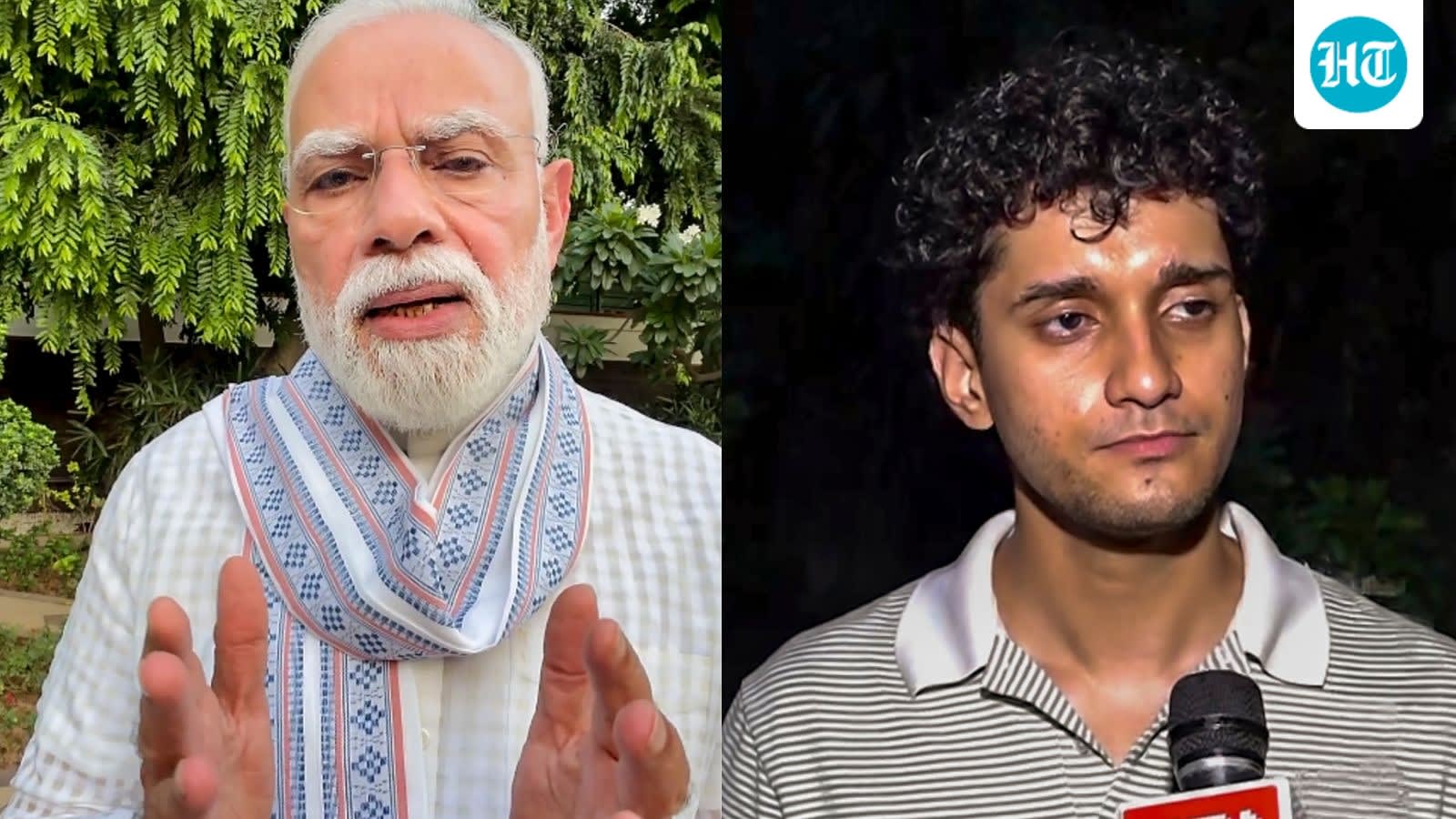
A 15-year-old girl faces a police probe after allegedly using abusive language against PM Modi during NEET protests. The Cockroach Janta Party (CJP) has criticized the state's response as harassment, while the girl has issued a public apology.
The Intersection of Dissent and Legal Scrutiny
The recent controversy surrounding a Noida-based teenager, who allegedly directed abusive language toward Prime Minister Narendra Modi during the NEET paper leak protests at Jantar Mantar, has ignited a polarized debate regarding the limits of free speech and the role of state machinery. The registration of a 'Zero FIR' against the minor—who later claimed to be 15 years old—marks a significant escalation in how the administration handles public outbursts during widespread student unrest.
The CJP’s Critique on State Overreach
The Cockroach Janta Party (CJP) has emerged as a vocal critic of the legal action taken against the minor. Representing a narrative that views the FIR as a tool for intimidation rather than justice, CJP spokesperson Das argued that the police are being misused to 'single out' and 'make an example' of dissenting youth. By contrasting the treatment of this teenager with the fact that a significant portion of elected Members of Parliament currently face criminal charges, the CJP highlights a perceived inconsistency in the application of the law, questioning the threshold at which speech becomes a criminal offense.
Complexity of Identity and Accountability
The narrative grew more complex as conflicting reports emerged regarding the accused's age and background. While the teenager released a video apology claiming to be 15 and attributing her remarks to the influence of other protesters, investigative details and neighbor accounts suggest a potential discrepancy, noting that she may be older and a resident of Faridabad. This ambiguity complicates the legal proceedings, as juvenile protections often hinge strictly on age verification, turning a political protest incident into a delicate matter of juvenile justice and regulatory procedure.
The Role of the Special Cell and Official Stance
The transfer of the case to the Delhi Police’s Special Cell underscores the gravity with which the authorities are treating the incident. Despite the harsh legal maneuvers, the discourse has seen a nuanced turn; reports suggest that Prime Minister Modi himself has urged the administration to embrace young protesters rather than seek punitive measures. This creates a dichotomy between the ground-level police enforcement and the stated high-level preference for leniency toward the youth.
Broader Implications for Student Protest Movements
This incident serves as a microcosm of the current climate surrounding student movements in India, particularly those triggered by systemic issues like the NEET paper leak. When protests turn volatile, the thin line between legitimate political expression and offensive conduct becomes a flashpoint. The case highlights how digital-era protests, which are often spontaneous and emotionally charged, can lead to permanent legal consequences for participants, potentially chilling future civic engagement.
Future Trends in Political Discourse
Looking ahead, this case is likely to force a national conversation on the criminalization of dissent. As political parties continue to weaponize social media and legal filings, the judiciary may be asked to define more clearly the boundaries of 'abusive language' in the context of political discourse. If the state continues to pursue FIRs against young protesters, it risks alienating the youth demographic, a cohort that is increasingly central to India's political future.
Verification Required?