Woman booked for using abusive language against PM Modi at CJP-led Jantar Mantar protest
Source Entity
Latest News: Todays Latest News Headlines from India & World | Hindustan Times | Hindustan Times
A 25-year-old woman has been booked by police following viral videos showing her using abusive language against Prime Minister Narendra Modi during a protest at Jantar Mantar. The case, involving charges of public mischief and defamation, has been transferred to Delhi Police for investigation.
Legal Fallout Following Jantar Mantar Protest
A recent protest organized by the Cockroach Janta Party (CJP) at Jantar Mantar on July 23 has led to significant legal repercussions for a participant. A 25-year-old woman, identified as Ruchika Singh, has been booked by the Noida Police after videos surfaced on social media showing her using allegedly abusive and objectionable language directed at Prime Minister Narendra Modi. The incident has ignited a wider debate concerning the limits of public dissent and the legal protections afforded to constitutional offices in India.
The Filing of the Zero FIR
The legal proceedings commenced when a Ghaziabad resident and Supreme Court advocate, Smriti Singh, filed a formal complaint. Because the alleged offense occurred at Jantar Mantar in New Delhi, the Noida Police initially registered a 'zero FIR.' This procedural mechanism allows a complaint to be filed at any police station regardless of jurisdiction, ensuring that the investigative process can begin immediately before transferring the case to the appropriate authority—in this instance, the Parliament Street police station in New Delhi.
Charges and Legal Implications
The charges filed against the accused include 'intentional insult,' 'public mischief,' and defamation under the relevant sections of the Bharatiya Nyaya Sanhita. The complainant argued that the language used by the woman went beyond the scope of legitimate political protest, specifically asserting that it was intended to spread hatred and undermine the dignity of a high constitutional office. By invoking sections related to public mischief, the authorities are signaling that the rhetoric used during the protest potentially crosses the threshold into conduct that threatens social harmony.
The Intersection of Protest and Accountability
The CJP has responded to the development, suggesting that while the remarks themselves may have been inappropriate or wrong, the subsequent criminal action against the individual is a cause for concern. This highlights a recurring tension in Indian democracy: the balance between the fundamental right to protest and the legal boundaries governing speech that targets public officials. The case serves as a stark reminder that political demonstrations, even when sanctioned, do not provide a blanket immunity for personal attacks or abusive rhetoric.
Broader Context of Digital Surveillance
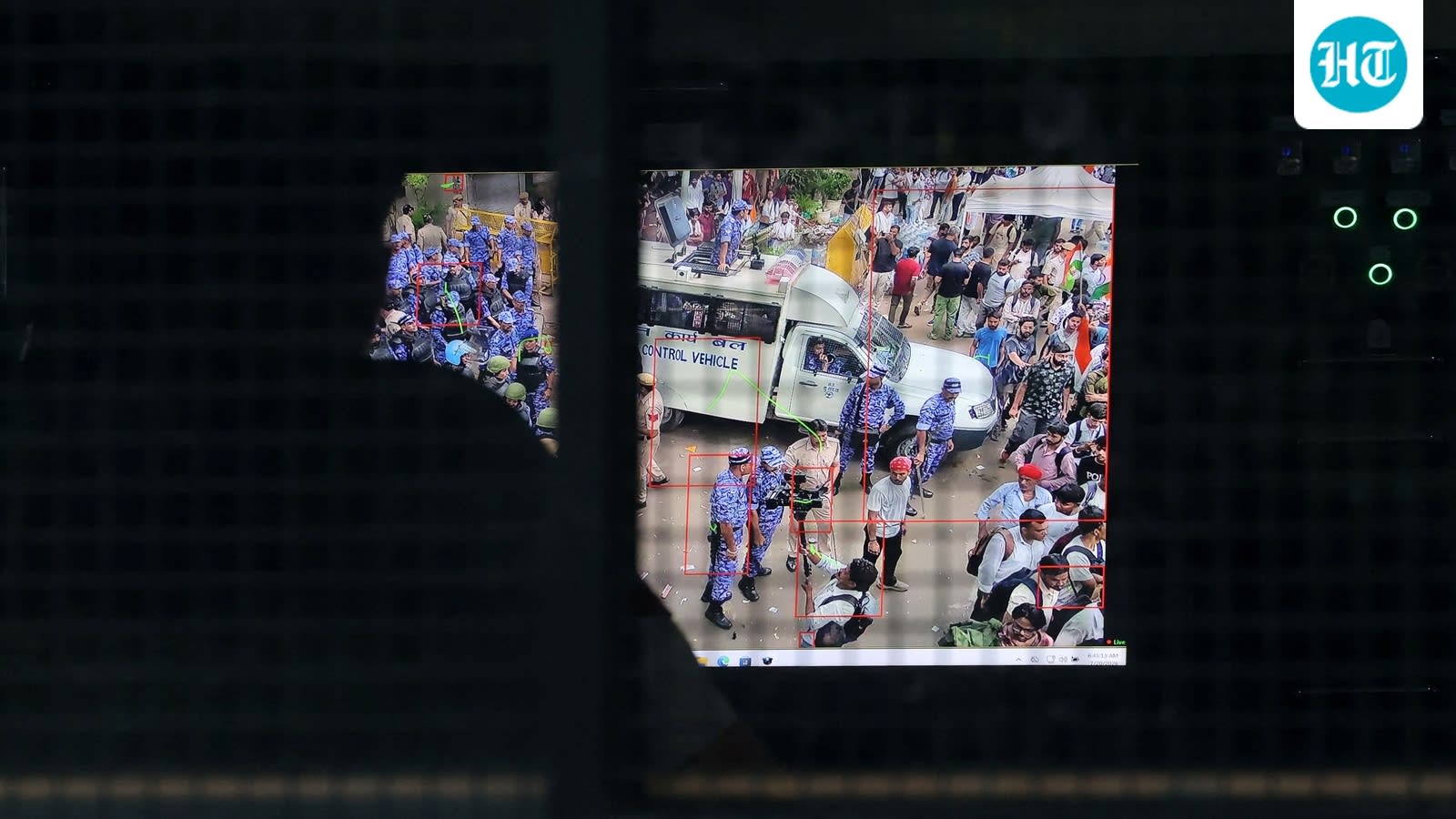
The identification of the accused was facilitated by the proliferation of digital evidence. Viral videos circulating on social media platforms served as the primary basis for the complaint, demonstrating how modern protest environments are under constant scrutiny. With law enforcement increasingly relying on mobile command-and-control vehicles and CCTV footage at protest sites, the digital footprint of participants is now a central component of post-protest legal investigations.
Future Trends in Political Discourse
As the Delhi Police assumes control of the investigation, the outcome of this case may set a precedent for how speech-related complaints are handled in the context of public demonstrations. The move to criminalize such remarks reflects a growing trend of utilizing legal statutes to police political rhetoric. Moving forward, this case will likely influence how political organizations manage their supporters at rallies, emphasizing the need for decorum to avoid legal exposure that distracts from the core political message of the protest.
Verification Required?