Nokia once sold 2 in 5 phones on Earth, then lost it all in 7 years
Source Entity
TOI TECH DESK
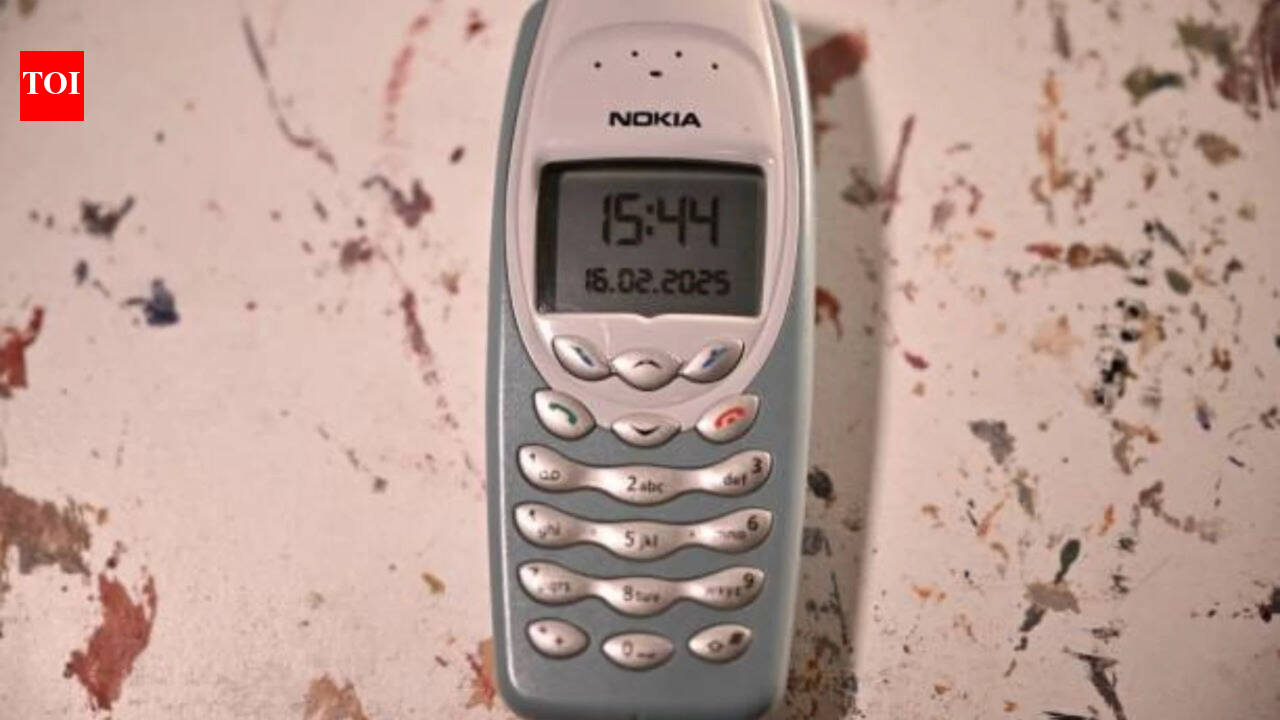
Nokia transitioned from a dominant global mobile leader to a diminished player after failing to adapt to the software-centric smartphone revolution. The company's decline, accelerated by the rise of iPhone and Android, eventually led to the sale of its mobile division to Microsoft.
The Rise and Fall of a Telecommunications Titan
Nokia’s trajectory from a Finnish conglomerate rooted in rubber production to the undisputed king of global mobile telephony remains one of the most studied case studies in corporate history. At its peak, the company commanded an astonishing 40% of the global mobile market, selling two out of every five phones worldwide. This dominance was built upon a foundation of unparalleled industrial logistics, robust hardware engineering, and a distribution network that reached the most remote corners of the planet.
The Software Paradigm Shift
The fundamental disruption of Nokia’s business model occurred when the mobile industry shifted its focus from hardware durability and basic connectivity to software ecosystems. The arrival of Apple’s iPhone in 2007 and the subsequent proliferation of Google’s Android operating system fundamentally altered consumer expectations. While Nokia possessed world-class hardware manufacturing capabilities, it struggled to pivot toward a user-centric software model, leaving its proprietary operating systems unable to compete with the intuitive app-based interfaces offered by its new rivals.
Internal Friction and Strategic Missteps
Behind the scenes, Nokia’s decline was exacerbated by internal cultural challenges. Reports suggest that a climate of internal anxiety and restricted communication hindered the company's ability to respond to emerging threats with the necessary agility. As silos developed within the corporate structure, the speed of decision-making slowed, preventing leadership from recognizing that the market was no longer valuing the physical phone as much as the digital experience it provided.
The Seven-Year Decline
It is striking that the collapse of such a massive empire occurred within a mere seven-year window. This rapid erosion of market share underscores the volatile nature of the technology sector, where historical dominance offers no immunity against disruptive innovation. The inability to bridge the gap between legacy manufacturing prowess and the burgeoning requirements of modern software development created a strategic vacuum that competitors were eager to fill.
Legacy and Future Implications
The final chapter of Nokia’s mobile era was written when its handset division was acquired by Microsoft. This acquisition served as a recognition that the company could no longer compete as a standalone entity in the smartphone space. Today, the story of Nokia serves as a cautionary tale for legacy firms regarding the dangers of complacency and the critical importance of fostering an internal culture that embraces, rather than fears, technological evolution.