Nor'easter tracker: Coastal flood warnings issued - Here's what NJ, Delaware, NY and Maryland residents need to know
Source Entity
Latest News: Todays Latest News Headlines from India & World | Hindustan Times | Hindustan Times
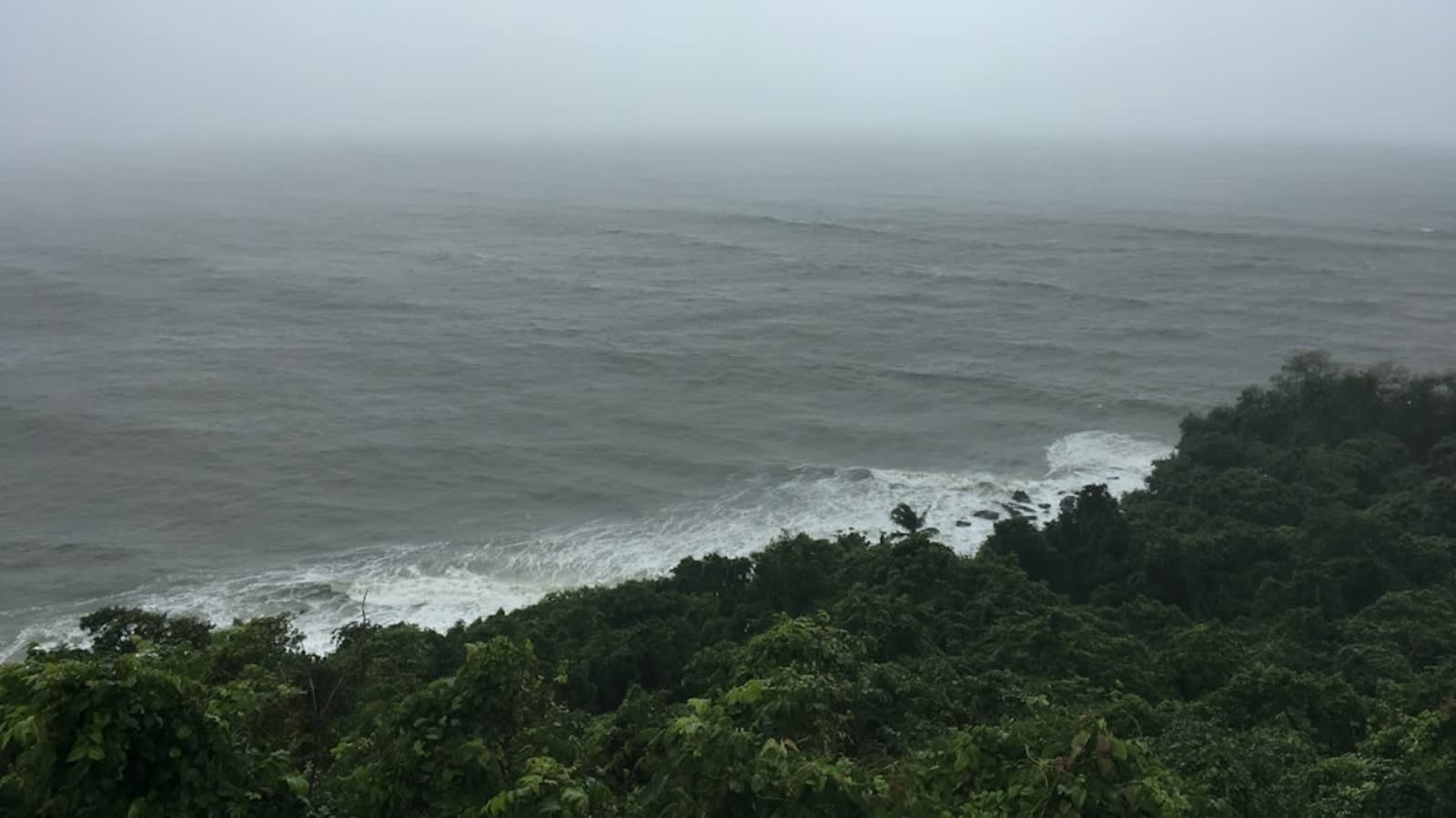
A severe Nor'easter is currently impacting the coasts of New Jersey and Delaware, bringing dangerous tidal flooding and powerful winds. Officials have issued prolonged First Alert warnings as residents brace for significant coastal erosion and storm-related damage through Saturday.
The Nor'easter Threat: Coastal Impacts and Safety Protocols
A powerful Nor'easter system is currently tracking along the East Coast, specifically targeting the shorelines of New Jersey and Delaware. This meteorological event, characterized by its intense wind fields and potential for significant tidal inundation, has prompted local authorities to issue urgent warnings. The storm's progression, identified early in the week, has necessitated a prolonged 'First Alert' status, signaling the severity of the atmospheric conditions expected to persist through Saturday evening.
Meteorological Drivers and Coastal Vulnerability
Nor'easters are notorious for their ability to stall or move slowly along the Atlantic seaboard, often drawing energy from the temperature contrast between the cold landmass and the relatively warmer Atlantic waters. In this instance, the system is driving powerful winds toward the New Jersey and Delaware coasts, which significantly elevates the risk of tidal flooding. These conditions are not merely superficial; they are causing measurable beach degradation, threatening the structural integrity of shoreline defenses and public infrastructure.
Localized Impacts: The Atlantic City Response
Atlantic City officials have been particularly vocal regarding the anticipated impacts. With peak intensity expected on Friday afternoon, the city is bracing for a convergence of high tide cycles and sustained gale-force winds. This combination is particularly hazardous for low-lying areas, where water displacement can quickly overwhelm drainage systems. Residents are urged to remain vigilant, as the storm’s trajectory and intensity can shift, often leading to rapid changes in flood levels.
Infrastructure and Long-Term Erosion Risks
Beyond the immediate threat of flooding, the sustained wind velocities reported in the offshore waters are a critical concern. Persistent wind stress on coastal dunes and embankments accelerates beach erosion, a process that strips away natural barriers designed to protect inland communities. The duration of this weather event—spanning from Wednesday through Saturday—increases the cumulative impact on these fragile coastal ecosystems, making recovery efforts more challenging once the system finally dissipates.
Safety Guidance and Future Outlook
As the region prepares for the peak of the storm, the primary focus remains on public safety and the mitigation of property damage. The prolonged nature of this First Alert serves as a stark reminder of the volatility of late-season coastal storms. Residents in the affected areas of New Jersey, Delaware, New York, and Maryland should monitor live trackers and official municipal updates closely. While the immediate threat will recede by late Saturday, the environmental impact of this Nor'easter on the coastline will likely require ongoing assessment by local authorities to determine the extent of necessary repairs and mitigation strategies.
Verification Required?