Daniel Thomas pleads not guilty after dinghy slashed
Source Entity
BBC News
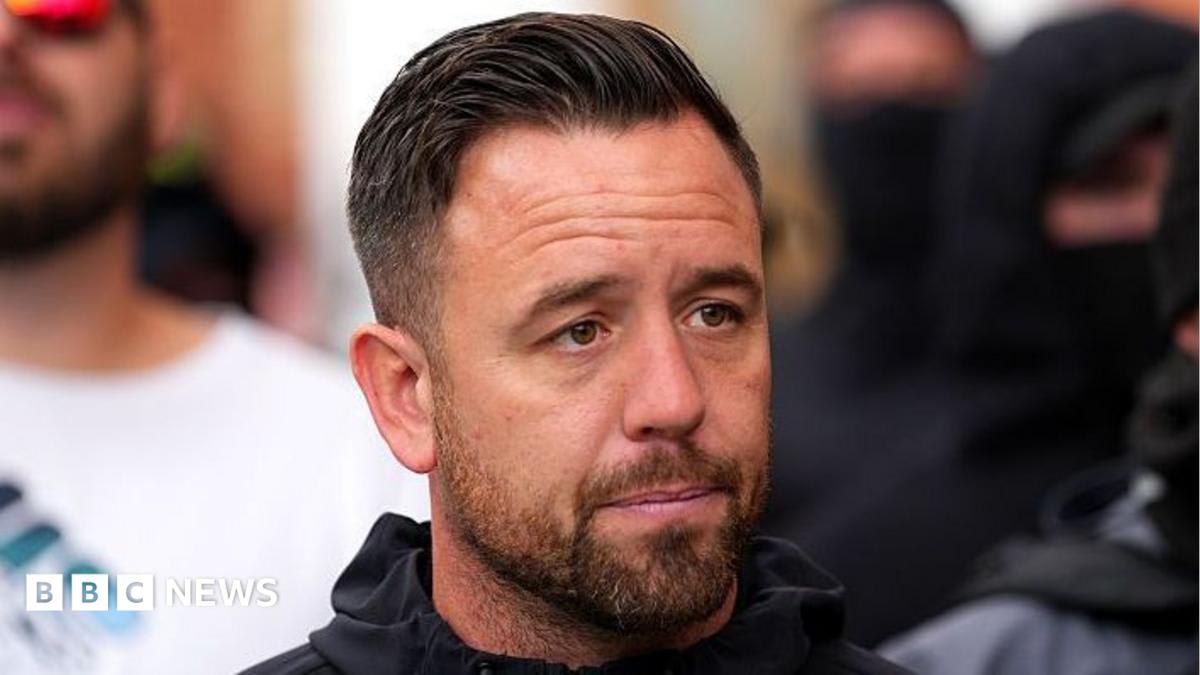
Anti-migrant activist Daniel Thomas has pleaded not guilty to criminal damage and failing to disclose his phone PIN. The charges stem from an incident involving the slashing of a dinghy in the English Channel.
Legal Proceedings Against Activist Daniel Thomas
Daniel Thomas, a 37-year-old anti-migrant activist widely recognized by his alias 'Danny Tommo,' has officially entered a plea of not guilty following his arrest. The charges, which include criminal damage and failure to disclose a phone PIN, relate to a highly contentious incident in the English Channel. During a hearing at Basingstoke Magistrates' Court, conducted via videolink, Thomas denied the allegations brought against him regarding his conduct toward an inflatable vessel.
The Incident in the English Channel
The core of the prosecution's case centers on video evidence that allegedly depicts Thomas using a knife to slash at a dinghy. According to statements provided by prosecutor Kevin Lucie, the boat was adrift at the time of the incident, and crucially, an emergency responder was on board. The court was informed that the actions of the accused caused the vessel to begin leaking air, presenting a direct safety risk to the crew member present on the craft during the encounter.
Charges and Procedural Status
Beyond the primary charge of criminal damage, Thomas faces a secondary charge concerning his refusal to provide the PIN for his mobile device. This legal maneuver, often associated with the Regulation of Investigatory Powers Act, highlights the importance placed on digital evidence in modern criminal investigations. By pleading not guilty to both charges, Thomas has set the stage for a formal trial process, with the court remanding him in custody until his next scheduled appearance.
Judicial Path Forward
The case has been transferred to the Portsmouth Crown Court, with the next hearing set for September 29. The decision to remand Thomas in custody reflects the seriousness with which the judiciary views allegations involving potential harm to emergency responders and the destruction of property in a maritime environment. The upcoming proceedings will focus on the validity of the video evidence and the specific circumstances surrounding the interaction between the activist and the emergency vessel.
Broader Implications of the Case
This incident highlights the escalating tensions surrounding activities in the English Channel, an area that has become a flashpoint for political and humanitarian discourse. When activists engage with vessels involved in maritime operations, the line between protest and criminal activity becomes a significant subject of judicial scrutiny. The outcome of the Portsmouth Crown Court case will likely serve as a precedent for how authorities handle individuals who interfere with emergency response operations in volatile border regions.
Conclusion
As the legal process unfolds, the case of Daniel Thomas remains a focal point for those monitoring the intersection of activism, maritime safety, and criminal law. With a not-guilty plea entered and a custody remand in place, the focus now shifts to the evidentiary phase at Portsmouth Crown Court. The trial will determine the legal culpability of the accused regarding the damage to the dinghy and the withholding of digital access, ultimately addressing the boundaries of protest in high-stakes environments.