Why the Gulf wants Trump to hold the line on Iran
Source Entity
Latest News: Todays Latest News Headlines from India & World | Hindustan Times | Hindustan Times
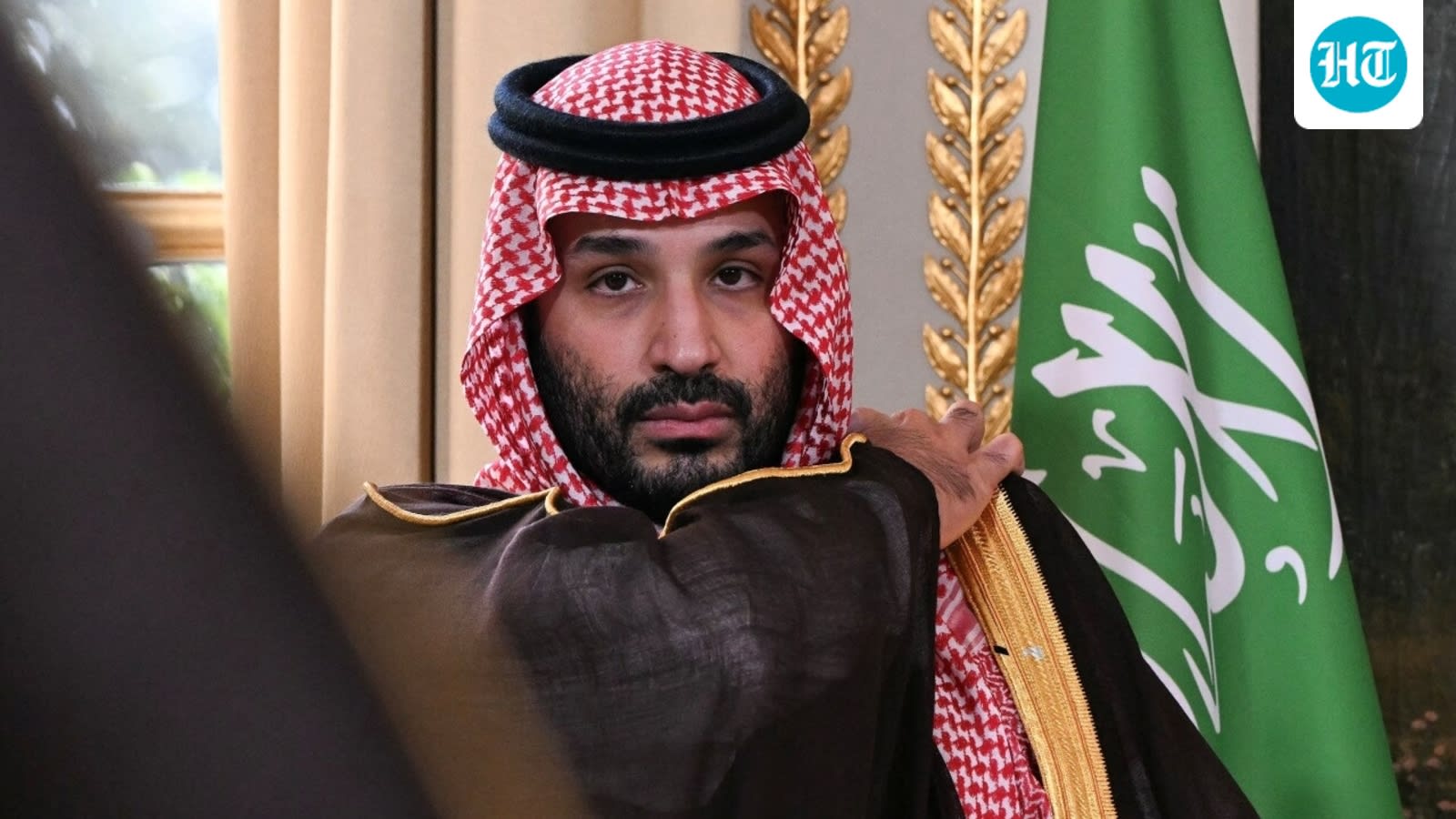
Gulf nations are urging the Trump administration to maintain economic pressure and sanctions on Iran rather than pursuing concessions. While mediators push for talks to reopen the Strait of Hormuz, Saudi Arabia and the UAE remain focused on countering Iranian-backed security threats.
The Geopolitical Tightrope: Gulf States and the Iran Policy
Strategic Pressure vs. Diplomatic Engagement
The current geopolitical landscape in the Middle East remains defined by a fragile balance between aggressive economic containment and the desperate need for regional stability. As the Trump administration navigates its Iran policy, Gulf nations—most notably Saudi Arabia and the United Arab Emirates—are actively lobbying to ensure that any potential diplomatic engagement does not come at the expense of established economic pressure. These nations view the current sanctions regime and the U.S. Navy’s maritime presence as essential deterrents against Iranian expansionism.
The Economic Impact of Regional Instability
A primary driver for this stance is the direct threat to energy infrastructure and supply chains. Saudi Arabia’s reliance on the Red Sea for oil exports has been severely compromised by the activities of the Houthi militia in Yemen, an Iranian proxy. The 'squeezing' of these shipments represents a direct assault on the kingdom’s economic sovereignty, forcing Riyadh to prioritize the maintenance of U.S.-led blockades over the potential for short-term diplomatic breakthroughs that might leave their logistical vulnerabilities unaddressed.
The Role of Mediators and the Strait of Hormuz
Despite the push for continued sanctions, there is a parallel track of intense diplomatic maneuvering. Mediators, particularly Qatar, are working to facilitate a new round of talks in Oman, with the primary goal of securing the reopening of the Strait of Hormuz. This vital maritime chokepoint is essential for global energy stability, and its closure creates a cascading effect on global oil prices and security. While President Trump has signaled optimism regarding a potential meeting between U.S. and Iranian officials, the Gulf states remain wary of any "grand bargain" that might result in the lifting of sanctions without a corresponding reduction in regional proxy warfare.
Historical Context of the U.S.-Gulf Security Architecture
The current tension is deeply rooted in a decades-long security architecture where the United States has served as the primary guarantor of Gulf security against Iranian hegemony. The shift in policy toward potential de-escalation creates significant anxiety for regional powers who fear that a withdrawal of pressure could embolden Tehran. Saudi Arabia and the UAE are essentially advocating for a "peace through strength" approach, arguing that only sustained economic pain will force Iran to the negotiating table on terms favorable to regional stability.
Future Trends and Predicted Outcomes
Looking ahead, the success of any potential negotiations will likely depend on whether the U.S. can bridge the gap between its desire for a quick diplomatic win and the security requirements of its regional partners. If the U.S. moves to ease sanctions, it will likely face significant pushback from Riyadh and Abu Dhabi, potentially straining long-standing alliances. Conversely, if the U.S. maintains the blockade, the risk of localized military skirmishes remains high, particularly as Iran continues to utilize its network of regional proxies to project power and disrupt vital shipping lanes.
Conclusion
In summary, the Gulf states are caught between the necessity of open shipping lanes and the fear of a resurgent Iran. By lobbying the Trump administration to hold the line on sanctions, they are attempting to shape a regional order that prioritizes their security interests. The upcoming talks in Oman will serve as a critical litmus test for whether diplomacy can effectively address the root causes of the conflict or if the region is destined for a prolonged period of economic and military friction.
Verification Required?