'Have a heart': Sonam Wangchuk's wife slams critics after he ends 26-day hunger strike
Source Entity
TOI NEWS DESK
The government has initiated a major overhaul of the NTA by sacking 47 officials following NEET paper leak allegations. Despite government efforts to address student demands and pass tougher anti-leak laws, political tensions remain high with the CJP demanding the education minister's resignation.
The NTA Overhaul: A Response to Systemic Failure
The recent decision by the government to sack 47 officials within the National Testing Agency (NTA) marks a significant, albeit reactive, attempt to address the fallout from the alleged NEET paper leak controversy. This administrative purge, characterized as the beginning of a larger recruitment and structural overhaul, underscores the severity of the crisis facing India’s premier testing body. By removing nearly five dozen personnel, the government is attempting to restore public trust in an institution that has become the bedrock of competitive examinations for millions of Indian students.
The Political Deadlock at Jantar Mantar
The protests at Jantar Mantar have evolved into a high-stakes standoff between the Centre and the Cockroach Janta Party (CJP). Despite two rounds of negotiations, the impasse remains firm, particularly regarding the demand for Union Education Minister Dharmendra Pradhan's resignation. The CJP, led by figures like Abhijeet Dipke, has maintained pressure on the government, arguing that institutional reforms are insufficient without leadership accountability. The government’s request for more time to deliberate on the minister's position suggests a strategy of containment, aimed at preventing a broader political escalation.
Legislative and Judicial Interventions
Recognizing the urgency of the situation, the Cabinet has moved to approve a tougher anti-paper leak law, a legislative signal intended to deter future malpractice. This move reflects a broader trend of utilizing stringent legal frameworks to combat systemic corruption in the education sector. Simultaneously, the Supreme Court is set to hear pleas regarding police actions taken during the protests, with the Chief Justice of India providing clarification on earlier remarks. This judicial oversight is critical in balancing the state's need for order with the constitutional right of students and political groups to protest.
Broader Implications of Civil Unrest
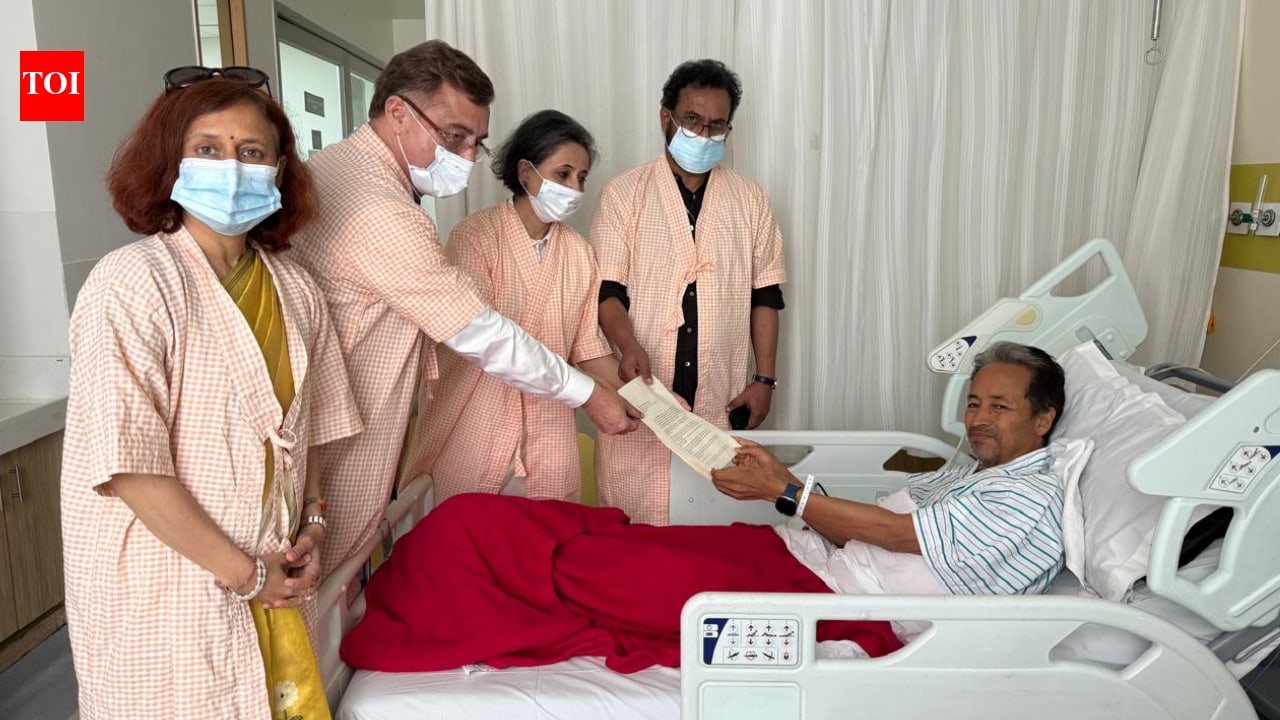
The climate of protest has been further colored by parallel movements, such as the 26-day hunger strike led by Sonam Wangchuk regarding regional issues. The conclusion of Wangchuk’s fast, intended to prevent potential nationwide violence, highlights the volatility of public sentiment in the current political landscape. His wife, Gitanjali Angmo, has defended the move, emphasizing that the cessation of the strike was a tactical choice to ensure peace. This context provides a backdrop for the CJP’s continued vow to maintain peaceful protests, suggesting that the government is dealing with a multifaceted challenge of public dissatisfaction.
Future Trends and Concluding Thoughts
The road ahead for the NTA and the Union Ministry of Education is fraught with uncertainty. While the government has promised stricter action and institutional change, the success of these measures will ultimately be measured by the restoration of integrity in the examination process. If the government fails to address the core demands of the protesters—namely, the accountability of top leadership—the cycle of protests and administrative reshuffling is likely to continue. The government must navigate this delicate balance between maintaining institutional stability and responding to the legitimate grievances of the student population.
Multiple Citing Sources