Nvidia customers reportedly warned about AI-related price hikes
Source Entity
US Top News and Analysis
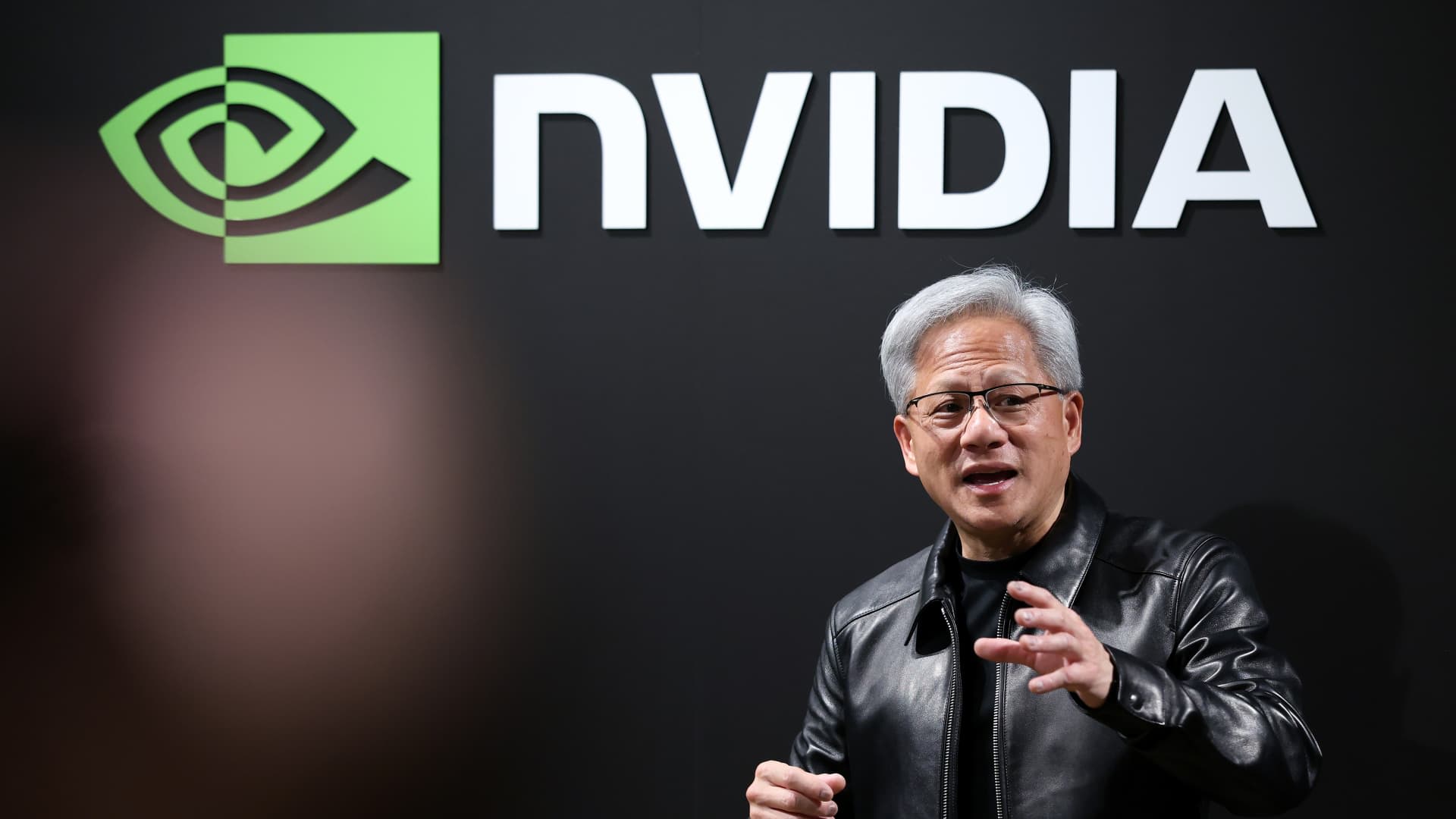
Nvidia is planning to increase prices for AI-powered servers by over 15% starting next year due to rising memory chip costs. The hikes will impact systems featuring advanced architectures like Vera Rubin and Grace Blackwell.
Nvidia Announces Significant Price Hikes for AI Server Infrastructure
Recent reports indicate that Nvidia, the dominant force in the artificial intelligence hardware market, has informed its largest enterprise customers of an impending price increase for its AI-optimized server systems. According to disclosures, these price hikes, which are expected to exceed 15% in many instances, are slated to take effect for shipments commencing next year. This strategic pricing shift reflects the evolving economic landscape of the semiconductor industry, particularly as demand for advanced computing power reaches unprecedented levels.
The Impact of Next-Generation Architectures
The price adjustments are specifically targeted at systems utilizing Nvidia’s most sophisticated hardware, including the Vera Rubin and Grace Blackwell architectures. These chip generations represent the cutting edge of AI computational capacity, designed to handle the massive data processing requirements of modern large language models and generative AI applications. By tying price increases to specific chip generations and memory configurations, Nvidia is effectively passing on the costs associated with the extreme engineering complexity required to produce these high-performance components.
Supply Chain Pressures and Memory Costs
At the heart of this decision is the rising cost of high-bandwidth memory (HBM) chips, which are critical components within Nvidia’s GPUs and integrated server systems. The global semiconductor supply chain has faced significant strain as the boom in AI development necessitates a massive influx of specialized memory. Nvidia’s reliance on these expensive components means that any volatility in the memory market directly impacts their production margins. This move suggests that the company is prioritizing margin protection amidst a period of intense capital investment and supply chain competition.
Strategic Implications for Enterprise Customers
For Nvidia’s largest customers—typically massive cloud service providers and data center operators—these price hikes represent a significant increase in capital expenditure (CapEx). As these companies race to expand their AI infrastructure to remain competitive, the rising cost of server hardware may force a reevaluation of deployment timelines or budget allocations. The ability of these customers to absorb a 15% premium on server systems will be a key metric to watch, as it may influence the broader pace of AI adoption across the tech sector.
Market Outlook and Future Trends
This pricing strategy highlights Nvidia's continued market power and the inelastic demand for its specialized hardware. Because there are few alternatives that match the performance of the Blackwell and Rubin series, Nvidia maintains significant leverage in pricing negotiations. Looking forward, the industry should expect continued price volatility as long as the demand for AI compute outstrips the supply of critical memory components. The long-term trend suggests that as AI models become more complex, the hardware required to run them will continue to be a primary cost driver for tech enterprises worldwide.