Nvidia CEO Jensen Huang faces bipartisan congressional scrutiny over reported China spy link
Source Entity
US Top News and Analysis
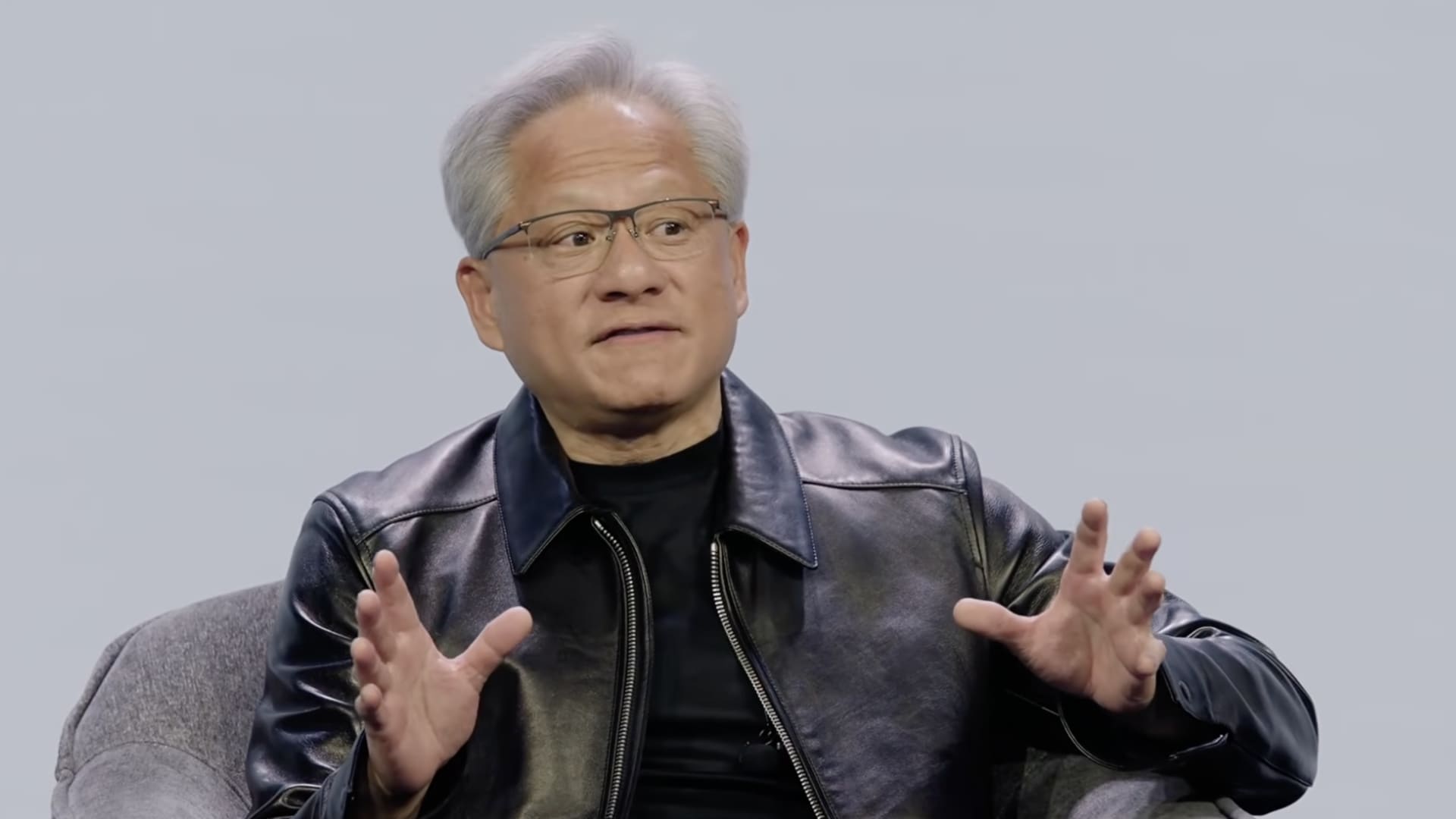
Nvidia CEO Jensen Huang is facing intense congressional scrutiny following reports of a past relationship with an alleged Chinese intelligence asset. Nvidia has launched an internal investigation, while Huang has admitted to infidelity and apologized.
The Intersection of Corporate Leadership and National Security
The technology sector is currently reeling from reports that Nvidia CEO Jensen Huang engaged in a romantic relationship with Alice Huang, a former executive at Megaspeed who is suspected by U.S. officials of being recruited by China's Ministry of State Security. This revelation has triggered a firestorm in Washington, placing one of the world’s most influential AI leaders at the center of a potential national security crisis. As Nvidia stands as a cornerstone of the global artificial intelligence supply chain, any perceived vulnerability to foreign intelligence services carries profound implications for global trade and technological sovereignty.
Congressional Oversight and Political Fallout
The bipartisan push for accountability is intensifying, with three House Republican committee chairs formally requesting a closed-door briefing from Huang on November 18. The inquiry seeks to clarify the nature of the relationship and evaluate the robustness of Nvidia’s existing anti-espionage safeguards. Senate Democrats, including Senator Chris Coons—who is slated to chair the Senate Foreign Relations Committee—have also signaled an aggressive investigative posture. The political discourse has expanded to include questions regarding the extent of knowledge held by the previous Trump administration, highlighting the intersection of corporate executive conduct and geopolitical policy.
Corporate Governance and Internal Investigations
In response to the mounting pressure, Nvidia has initiated an independent investigation into the matter. While the company has publicly stated that its board currently possesses no evidence suggesting that proprietary secrets or national security interests were compromised, the optics of the situation present a significant challenge to corporate governance. Jensen Huang has issued a public admission of infidelity, expressing regret for his actions and stating that he fell short of his responsibilities to the company. This admission of personal failure has complicated the narrative, forcing a distinction between personal conduct and fiduciary duty.
The Geopolitical Stakes of AI Dominance
At the heart of this controversy is the strategic importance of Nvidia’s hardware in the ongoing global AI race. With China actively seeking to bypass U.S. export controls on advanced semiconductors, the possibility of a high-level corporate leader being compromised by intelligence assets is a primary concern for national security hawks. The potential for the transfer of intellectual property or strategic insight to foreign actors makes this not merely a story of executive misconduct, but a critical test of how the U.S. protects its most sensitive technological assets.
Future Implications and Market Stability
Looking ahead, the outcome of the upcoming congressional briefings will likely dictate the regulatory future for Nvidia and potentially other major tech firms. Investors are closely watching to see if the internal investigation yields evidence of broader systemic risks. If the inquiry reveals that the company’s internal safeguards were indeed bypassed, it could trigger stricter federal oversight and potentially influence the future of U.S.-China business relations. For now, the leadership of Jensen Huang remains intact, but the shadow of this investigation looms large over the company's future trajectory in an increasingly volatile global landscape.
Multiple Citing Sources