Nvidia board reportedly deciding whether to oust CEO Jensen Huang as stock price plunges
Source Entity
Dara Kerr and Dan Milmo
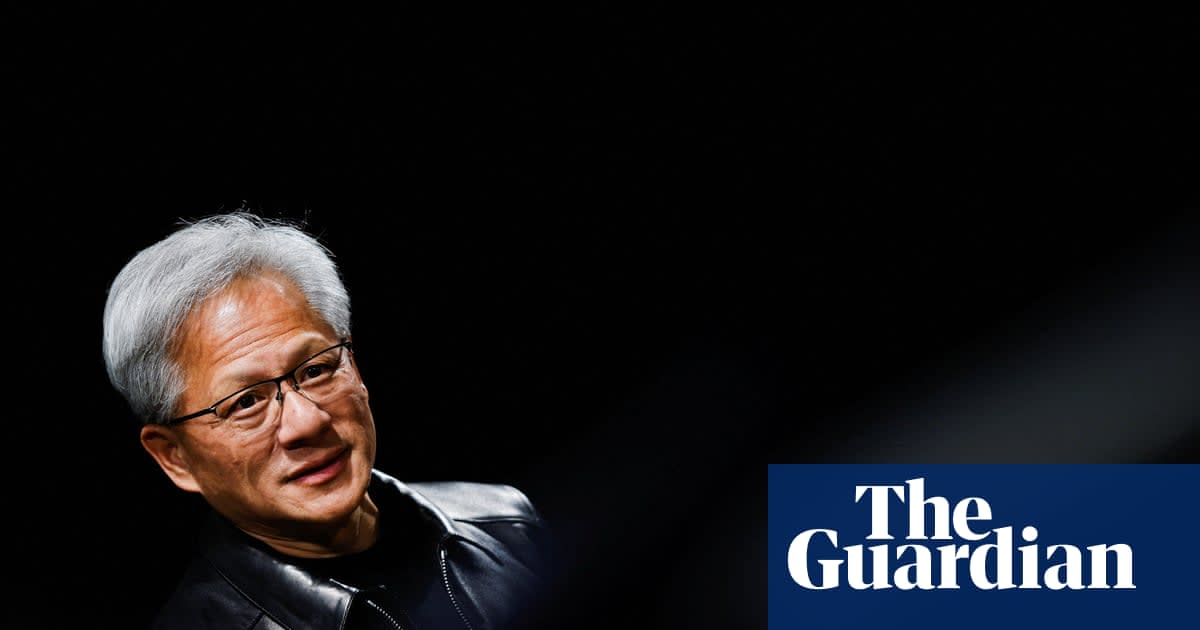
Nvidia has launched an internal investigation after CEO Jensen Huang admitted to an affair with Alice Huang, a former executive at Megaspeed who is suspected of being a Chinese intelligence operative. U.S. lawmakers are now demanding a briefing to assess potential national security risks and the integrity of Nvidia's anti-espionage protocols.
The Nvidia Security Crisis: An Overview
The technology sector is currently reeling from reports that Nvidia CEO Jensen Huang has become the subject of intense scrutiny following an admitted affair with Alice Huang, a former executive at the Singapore-based chip firm Megaspeed. According to internal memos and reports from the Financial Times and The New York Times, U.S. intelligence agencies have identified Alice Huang as a suspected recruit of China’s Ministry of State Security. This intersection of personal conduct and national security has placed one of the world's most valuable companies at the center of a geopolitical intelligence storm.
The Intelligence Allegations
The core of the controversy lies in the allegation that Alice Huang utilized her relationship with the Nvidia CEO to gain proximity to sensitive corporate information. U.S. government memos suggest that the relationship was not merely personal but a targeted operation by Beijing to extract proprietary data from Nvidia. As a leader in the global semiconductor market, Nvidia is a primary target for foreign espionage, and the possibility that an executive of this stature was compromised presents a significant challenge to the company's internal security frameworks.
Corporate Governance and Internal Accountability
In response to the mounting pressure, Nvidia’s board of directors has initiated an independent investigation to determine the extent of the security breach. Jensen Huang has publicly acknowledged the affair in an email to staff, offering an apology for his lack of professional and personal judgment. By admitting to the relationship, Huang has shifted the focus of the investigation from the mere existence of the affair to the critical question of whether any confidential Nvidia intellectual property or strategic roadmaps were shared with or accessed by Alice Huang.
Legislative Scrutiny and National Security
The fallout has extended rapidly from the boardroom to the halls of Congress. Three House Republican chairmen have formally requested a closed-door briefing with Jensen Huang, scheduled for November 18. Lawmakers are seeking to understand the depth of the CEO’s ties to Megaspeed and, more importantly, to evaluate the efficacy of Nvidia’s existing anti-espionage safeguards. The outcome of these hearings could influence future federal regulations regarding the vetting of executives at companies that hold critical roles in the U.S. technological infrastructure.
Broader Implications for Global Tech
This incident highlights the growing vulnerability of high-level tech executives to sophisticated human intelligence operations. As tensions between the U.S. and China over semiconductor supply chains continue to escalate, the importance of 'insider threat' protocols becomes paramount. Corporations are now being forced to re-evaluate their executive security measures, which traditionally focus on data protection and cybersecurity but may now need to incorporate more stringent vetting of personal associations that could pose a risk to national security.
Future Trends and Outlook
The investigation into Nvidia will serve as a bellwether for how publicly traded companies handle potential compromises of leadership. Investors and policymakers will be watching the board's findings closely to see if the company can maintain its competitive edge while navigating the fallout of this security failure. The long-term impact on Nvidia’s stock and its relationship with the U.S. government will depend largely on the transparency and depth of the ongoing independent probe.
Multiple Citing Sources