Trump Backed Jensen Huang Before Exit. Their Ties Now Under Congress Scanner
Source Entity
NDTV News Search Records Found 1000
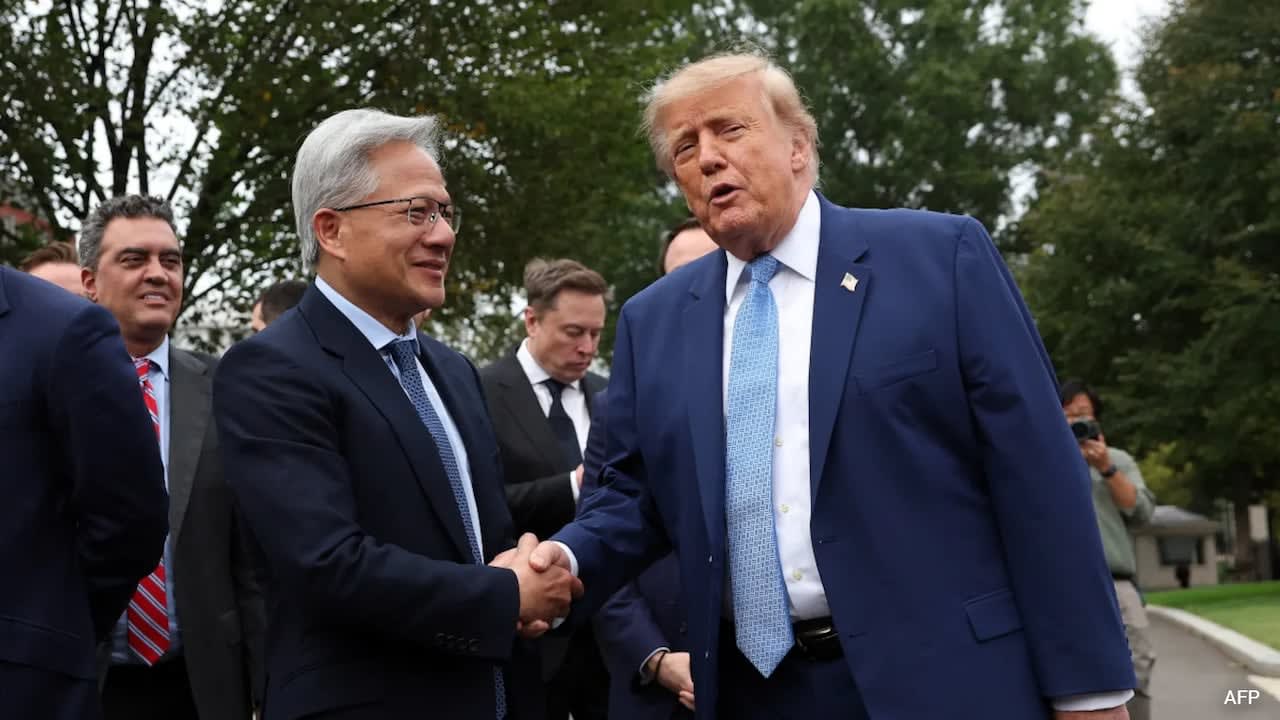
Nvidia CEO Jensen Huang has admitted to an affair with Alice Huang, a former executive at Megaspeed who is suspected by U.S. intelligence of being a Chinese spy. Nvidia’s board has launched an independent investigation as lawmakers demand a briefing regarding potential security breaches.
The Nvidia Security Crisis: A CEO's Personal Breach
Nvidia, the titan of the semiconductor industry, is currently embroiled in a high-stakes corporate and national security crisis following the revelation that CEO Jensen Huang engaged in an affair with Alice Huang, a former executive at the Singapore-based firm Megaspeed. This development has moved beyond a personal scandal, as U.S. intelligence agencies have identified Alice Huang as a suspected operative for China’s Ministry of State Security. The intersection of a high-profile CEO’s private life and potential foreign espionage has triggered immediate alarm bells in Washington.
The Intelligence and Legislative Response
The gravity of the situation is underscored by a government memo that reportedly details the alleged recruitment of Alice Huang by Chinese intelligence. Given Nvidia’s critical role in the global supply chain and the development of advanced artificial intelligence hardware, the potential for sensitive information leakage is extreme. Consequently, three House Republican chairmen have demanded a closed-door briefing from Jensen Huang, scheduled for November 18. This inquiry aims to scrutinize the depth of his ties to Megaspeed and evaluate the efficacy of Nvidia’s existing anti-espionage safeguards.
Corporate Governance and Internal Accountability
In response to the mounting pressure, Nvidia’s board of directors has officially launched an independent investigation into the matter. Jensen Huang himself addressed the company in an email on Sunday, confirming the affair and expressing deep regret for his actions. By admitting to the relationship and acknowledging that he “fell short” of his responsibilities, Huang has attempted to mitigate the fallout. However, the board’s decision to move forward with an independent probe signals that the company must treat this as a significant corporate governance issue rather than merely a personal one.
The Strategic Risk to Nvidia
Nvidia currently stands at the heart of the global technological arms race. Because the company’s products are essential to both commercial AI advancement and defense-related computing, any compromise of its leadership is viewed as a systemic threat. The connection to Megaspeed, an Nvidia customer, complicates the narrative, as it implies that the alleged espionage may have leveraged existing business relationships to gain access to proprietary data or strategic insights.
Broader Geopolitical Implications
This incident highlights the persistent and sophisticated nature of industrial espionage aimed at the U.S. technology sector. By targeting the leadership of a company as pivotal as Nvidia, foreign state actors demonstrate a strategy that prioritizes human intelligence (HUMINT) to bypass traditional cybersecurity barriers. As the investigation proceeds, the findings will likely influence future U.S. regulations regarding corporate interactions with firms suspected of ties to foreign intelligence services.
Conclusion and Future Outlook
The coming weeks will be critical for both Jensen Huang and Nvidia. The upcoming House briefing and the findings of the independent board investigation will determine the long-term impact on the CEO’s tenure and the company’s internal security culture. Regardless of the outcome of the espionage allegations, the event serves as a stark reminder of the vulnerability of executive leadership to compromise and the ongoing challenges of securing the world’s most valuable intellectual property against state-sponsored actors.
Multiple Citing Sources
Verification Required?