China panel chair Moolenaar demands answers on Nvidia CEO's alleged affair with a Chinese spy
Source Entity
US Top News and Analysis
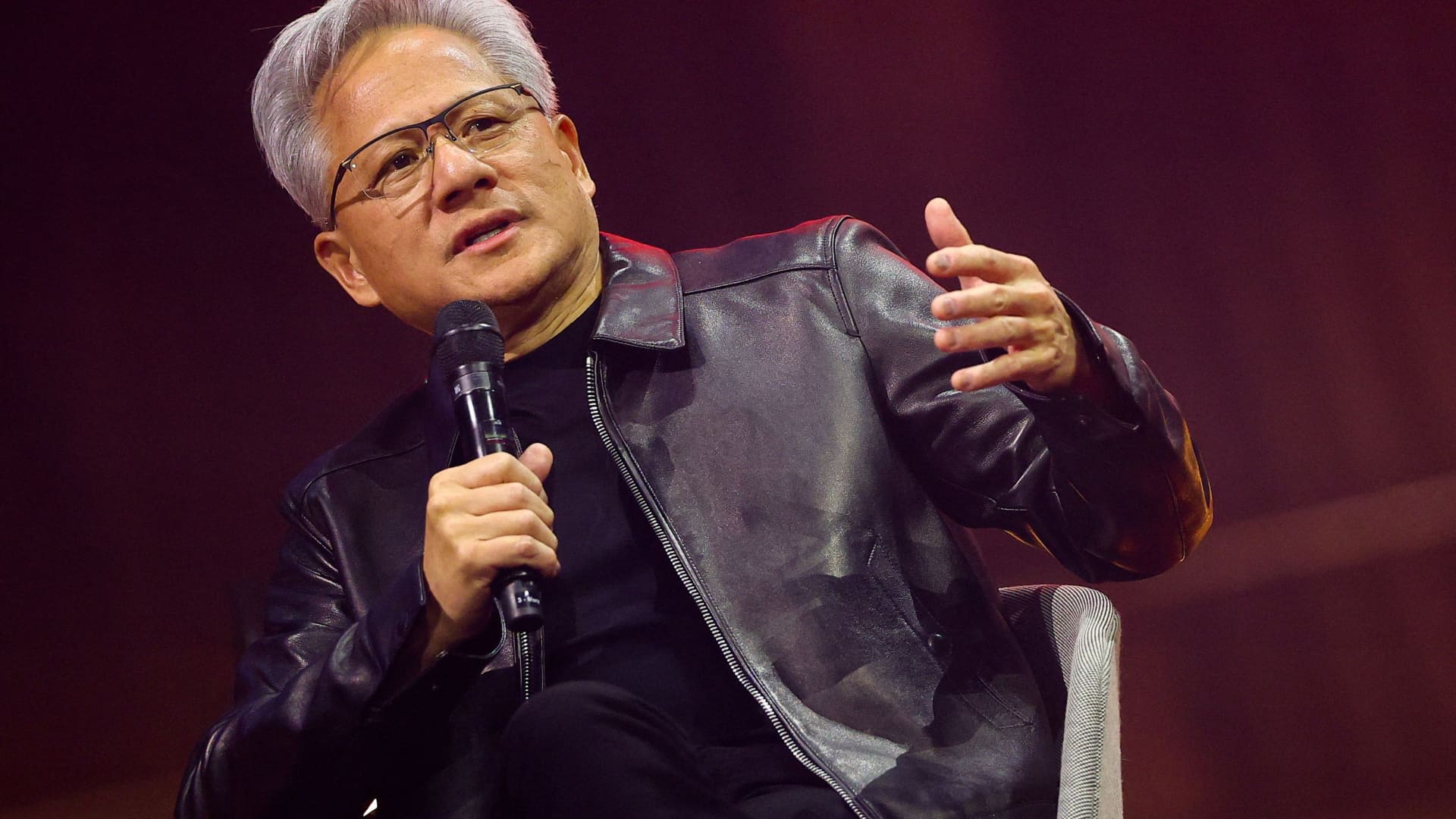
Nvidia CEO Jensen Huang has admitted to an affair with Alice Huang, a former executive at Megaspeed who is suspected by U.S. intelligence of being a Chinese spy. The company has launched an independent investigation as lawmakers demand a briefing regarding potential security breaches.
Nvidia Faces Corporate Crisis Over CEO’s Alleged Espionage Links
Nvidia, the global semiconductor giant at the heart of the AI revolution, is currently navigating a profound leadership crisis. CEO Jensen Huang has publicly admitted to an affair with Alice Huang, a former executive at the Singapore-based firm Megaspeed. This personal admission has transformed into a major national security concern, as U.S. intelligence agencies have identified Alice Huang as an individual suspected of being recruited by China’s Ministry of State Security to infiltrate Nvidia’s inner circle.
The Intelligence and Legislative Response
The gravity of the situation has drawn immediate attention from Capitol Hill. Three House Republican chairmen have formally requested a closed-door briefing with Jensen Huang, scheduled for November 18. The primary objective of this inquiry is to determine the extent of the relationship and whether it resulted in the compromise of Nvidia’s proprietary anti-espionage safeguards. Lawmakers are particularly concerned about how a potential asset of the Chinese state could have gained proximity to one of the most critical figures in the global technology supply chain.
Internal Investigation and Accountability
In response to the mounting pressure, Nvidia’s board of directors has initiated an independent investigation into the matter. Jensen Huang issued a formal apology to his employees, acknowledging his infidelity and his failure to uphold the responsibilities expected of his position. While Huang’s admission centers on a personal moral failing, the corporate implications are severe. The investigation will now focus on whether any sensitive technical data, trade secrets, or strategic roadmaps were exposed during the course of the relationship.
The Geopolitical Context of Chip Espionage
This incident occurs against the backdrop of intense U.S.-China competition over semiconductor technology. As the primary provider of high-end AI chips, Nvidia is a high-value target for foreign intelligence services. The involvement of Megaspeed, a company that serves as an Nvidia customer, highlights the vulnerability of the technology ecosystem. If Alice Huang was indeed acting on behalf of the Ministry of State Security, it suggests a sophisticated, long-term intelligence operation aimed at sabotaging or stealing Western intellectual property.
Broader Implications for Tech Governance
The scandal raises critical questions regarding executive vetting and corporate security protocols in the age of geopolitical instability. Investors and regulators are now forced to evaluate whether Nvidia’s internal controls are sufficient to protect against 'human intelligence' operations. As the investigation progresses, the company faces the dual challenge of maintaining market confidence while proving that its operational integrity remains intact despite the personal conduct of its leader.
Future Trends and Market Stability
Moving forward, the outcome of the congressional briefing and the independent board investigation will likely set a precedent for how tech companies handle executive security risks. If evidence of a security breach is found, Nvidia could face intensified federal oversight and potential restrictions on its operations. Conversely, a clean bill of health regarding the company’s data security may allow the firm to recover, though the reputational damage to Jensen Huang remains a significant hurdle for the company's future governance.
Multiple Citing Sources